



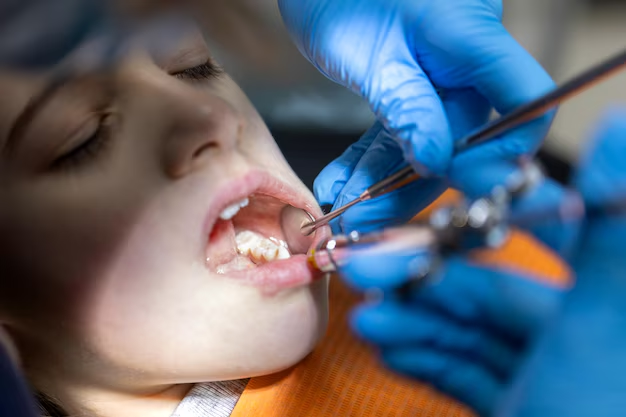
Most childhood cavities start in the same handful of spots: the deep grooves on the chewing surfaces of the back teeth. Those grooves are narrow, and a toothbrush bristle cannot always reach the bottom of them. Dental sealants for kids are made for exactly that problem. They are thin protective coatings painted onto the chewing surfaces of the molars to prevent tooth decay, and they work by blocking the places where decay likes to begin.
What Dental Sealants Are and How They Work
A sealant is not a filling and it is not a medication. It is a thin coating that a dentist or hygienist places as part of a preventive dental treatment plan. Once it is on the tooth, it acts as a physical barrier, preventing food particles, plaque, and harmful bacteria from settling into the fissures and grooves of the molars.
Another way to picture it: sealants simply fill in the deep grooves of molars that tend to have a lot of anatomy. Those grooves are perfect spots for cavities to form because they trap debris and are hard to clean. By sealing the grooves smooth, the sealant takes away the hiding places that cavity-causing bacteria rely on.
Why Molars Need Extra Protection
Back teeth do the heavy chewing, which means they are constantly exposed to food and to the acids that form when bacteria feed on sugars. Their chewing surfaces are also the most textured surfaces in the mouth, covered in pits and narrow valleys that a toothbrush can only partly reach.
Front teeth are smoother and easier to wipe clean. Molars are not. That combination of heavy use and deep anatomy is why the molars are the teeth most likely to develop decay in childhood, and why they are the teeth sealants are designed to protect.
Who Usually Benefits Most from Sealants
Sealants are a safe and effective way to reduce cavity risk, for children and for adults. In children, they are often discussed during the cavity-prone years. Children aged 6 to 11 who do not have dental sealants are a group that dental professionals commonly focus on for this preventive care, since this is when the first permanent molars are in place and doing real chewing work.
The best way to know whether your own child is a good candidate is to have their teeth examined. A dentist can look at the shape and depth of the grooves on each molar and decide whether sealing them makes sense right now or later.

What Happens During a Sealant Appointment
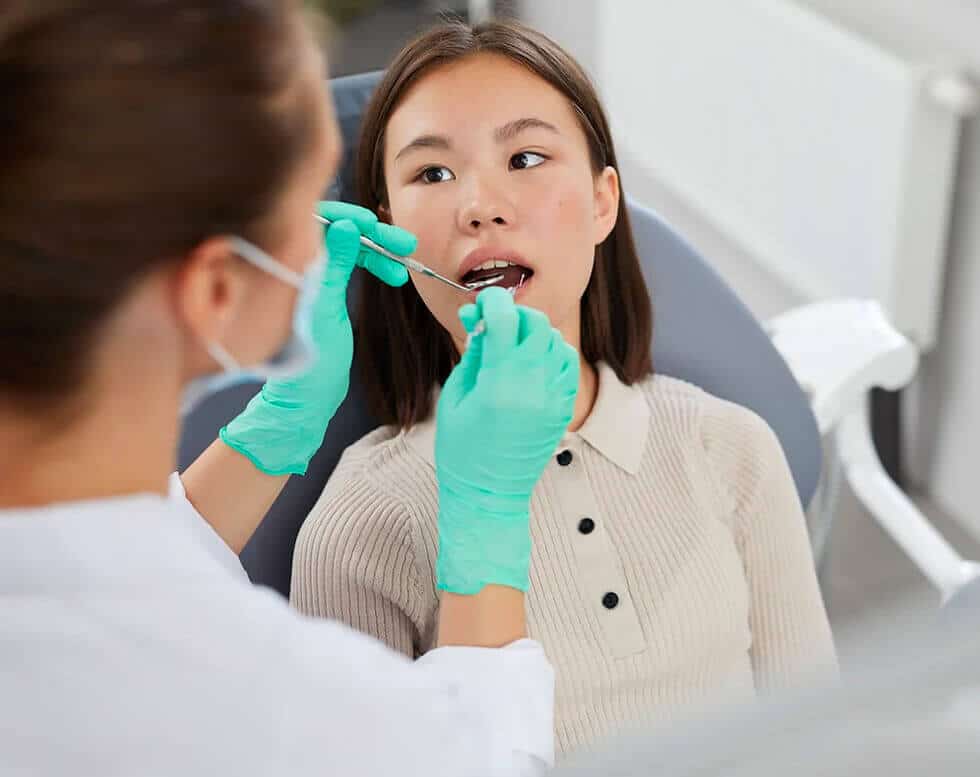
Application is considered easy and does not require drilling or numbing. The general flow looks like this:
- The dentist or hygienist cleans the chewing surface of the molar so the coating can bond well.
- The tooth is kept dry while the sealant is painted into the grooves.
- The coating is allowed to set so it hardens into a smooth protective layer.
- The bite is checked to confirm the sealed surface feels comfortable and even.
Because the coating is painted on rather than carved in, most children tolerate it well, and it can usually be done during a routine visit alongside a cleaning or check-up.
How Long Do Sealants Last?
Sealants can last for many years. They are durable, but they are not permanent, and they live in a mouth that is constantly chewing, grinding, and being brushed. Over time a sealant can wear down, chip, or lift at an edge.
That is why sealants are checked at routine dental visits. If a coating has worn thin or come loose, a dentist can repair or reapply it, which keeps the protection going without any drilling or discomfort. Keeping regular check-ups is what turns a one-time appointment into long-term protection.
How Much Do Sealants Lower Cavity Risk?
The protective effect is significant. Dental sealants are extremely effective in preventing cavities in children, reducing decay by up to 80% in sealed molars compared with unsealed molars.
That number is worth reading carefully. It does not mean a sealed tooth can never decay. It means the chewing surface of that tooth, the most cavity-prone real estate in a child’s mouth, is dramatically better protected than it would be otherwise.
Are Sealants Safe, and What Are the Downsides?
Sealants are a safe and effective way to reduce cavity risk, and they are widely used as a standard preventive measure. The main limitations are practical rather than safety related.
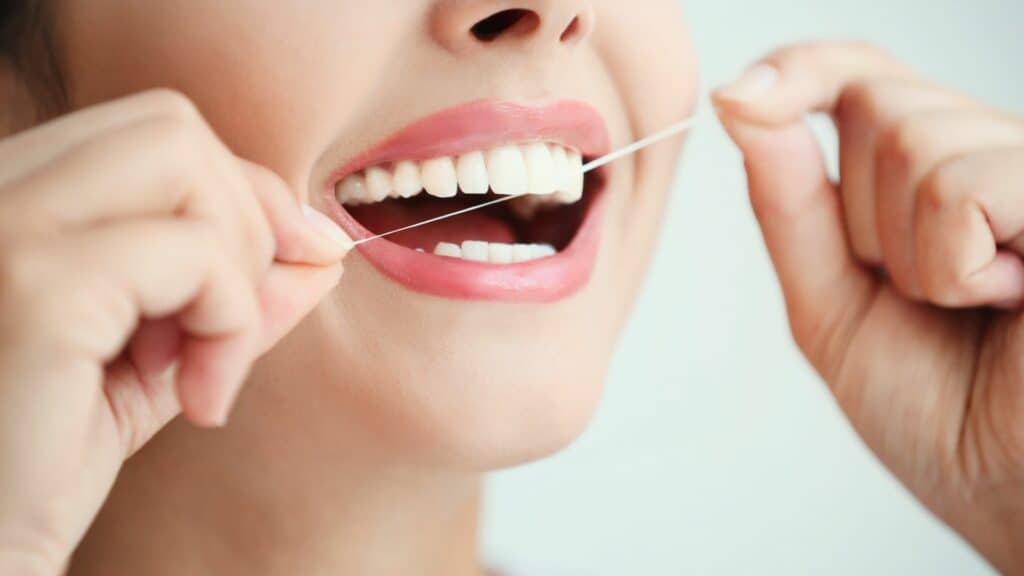
- Sealants cover chewing surfaces only. They do not protect the sides of teeth or the spaces between teeth, which is what flossing is for.
- They can wear or loosen over time and may need to be repaired or reapplied.
- They prevent decay, but they do not stop it once it has started, so a tooth that already has a cavity needs different treatment.
- They do not replace good brushing, flossing, or regular dental visits.
Questions about insurance coverage for sealants vary from plan to plan. If cost or coverage matters for your family, check directly with your dental insurance provider and with the practice team before the appointment so there are no surprises.
Sealants Do Not Replace Brushing or Fillings
A sealant and a filling handle two different situations. A filling restores a tooth after decay has already formed. A sealant is placed on a healthy chewing surface to prevent decay from starting in the first place.
That distinction matters for parents weighing the value of sealants. If a dentist examines a molar and finds it is already decayed, sealing over it is not the answer. If the molar is sound but deeply grooved, sealing it is a low-effort way to protect it.
Sealants also work best as part of a routine that includes brushing twice a day, flossing, limiting sugary snacks and drinks, and showing up for cleanings and check-ups.
What Owings Mills Parents Should Ask at the Next Visit
You do not need to become an expert in dental materials to make a good decision for your child. A short list of questions gets you most of the way there:
- Which of my child’s molars have grooves deep enough to benefit from sealing?
- Is there any sign of decay on those teeth already?
- How will the sealants be checked at future visits, and how often?
- Does our dental plan cover sealants, and what would our portion be if it does not?
- What else should we be doing at home for the teeth sealants cannot protect?
Preventive Care for Kids in Owings Mills
Toothfully Yours is a dental practice in Owings Mills, MD, offering general, cosmetic, emergency, and pediatric dentistry with a focus on personalized, gentle care. Sealants fit naturally into that preventive side of the practice, alongside check-ups, cleanings, and oral cancer screening.
If you are wondering whether your child’s molars would benefit from sealants, the simplest step is an exam. Our team, led by Dr. Pooja Soni, can look at the grooves in your child’s back teeth, explain what we see, and answer your questions about timing, coverage, and home care. Call today to schedule your child’s visit.
Frequently Asked Questions
At what age should a child get sealants?
Sealants are most often discussed for children in the cavity-prone years, including the 6 to 11 age group that dental professionals commonly focus on for this preventive treatment. Timing depends on when the permanent molars have come in and how deep their grooves are, so a dentist should evaluate the teeth before deciding when to place them.
Do sealants hurt to get placed?
Placing a sealant does not involve drilling or numbing. The chewing surface is cleaned, kept dry, and then painted with the coating, which is allowed to set into a smooth layer. Most children sit through it comfortably, and it can often be done during a routine cleaning or check-up appointment.
How long do dental sealants last on kids’ teeth?
Sealants can last for many years, but they are not permanent. Normal chewing and brushing can wear a coating down or loosen an edge over time. That is why they are checked at routine visits, where a dentist can repair or reapply them so the protection continues without any drilling.
Can a sealed tooth still get a cavity?
Yes, though the risk on that surface drops sharply. Dental sealants reduce decay by up to 80% in sealed molars compared with unsealed molars. A sealant covers the chewing surface only, so the sides of the teeth and the spaces between them still depend on flossing and regular dental cleanings for protection.
Does dental insurance cover sealants for kids?
Coverage differs from plan to plan, so there is no single answer that applies to every family. Before scheduling, check with your dental insurance provider to see how sealants are treated under your specific plan, and ask our team any billing questions so you know what to expect ahead of the appointment.
Sealants are one of the simplest preventive steps available for a child’s back teeth, and they take minutes rather than hours. If your child has deep grooves on their molars and no sign of decay yet, an exam at Toothfully Yours in Owings Mills will tell you whether sealing those teeth now is the right move, and our team is happy to walk you through the details before anything is placed.