





A first trip to the dentist can feel exciting for one child and overwhelming for another. Dental anxiety in children is common, and it usually has very little to do with pain. Unfamiliar sounds, bright lights, strange tastes, and not knowing what happens next are enough to make a young child tense up. The good news is that anxiety is not a fixed trait. With the right preparation at home and a gentle, child-friendly approach in the office, most kids move through dental visits with far less fear than their parents expect.
At Toothfully Yours in Owings Mills, we see nervous kids every week, and we build visits around their comfort rather than rushing them through. Here is what parents can do before, during, and after an appointment to keep the experience calm.
How Common Is Dental Anxiety in Children?
Anxiety about dental care is widespread rather than rare. Data from the University of Adelaide shows that 16 percent of the general population and 10 percent of children experience severe dental phobia. Beyond that smaller group, many more children feel mild to moderate nervousness about check-ups, cleanings, or treatment.
A study of children attending university dental clinics found that children with disabilities had a higher proportion of moderate anxiety levels than children without disabilities, and it pointed to consistent dental attendance as a relevant factor. In plain terms: fear is normal, and how often a child visits the dentist appears to shape how they feel about it over time.
What Causes Dental Fear in Kids?
Understanding the root of the fear makes it easier to address. Common triggers include:
- Fear of the unknown. A child who has no idea what will happen next fills the gap with imagination, and imagination usually goes somewhere scary.
- Negative stories from others. An older sibling, a classmate, or an adult who talks about dentistry as painful can plant the idea before a child ever sits in the chair.
- Sensory discomfort. Sounds, lights, and tastes can be genuinely uncomfortable for a child who is sensitive to them.
- Fear of injections. Needles come up often, even when no injection is planned for that visit.
Notice that most of these have nothing to do with the actual dental work. That is why preparation and communication do so much of the heavy lifting.
Signs Your Child Is Anxious About the Dentist
Young children rarely say “I am anxious about my appointment.” They show it instead. Watch for restlessness and trouble sleeping in the days before a visit, irritability, and difficulty paying attention at school as the appointment gets closer. Some children ask repeated questions about what will happen, others go quiet, and some complain of stomach aches with no clear cause.
If you recognize these patterns, treat them as information rather than misbehavior. A child who is scared is not being difficult.
Practical Tips for a Calmer Dental Visit
Start dental visits early
Early visits build familiarity before a child ever needs treatment. A first appointment for a toddler is often short and simple, which teaches the child that the dental office is a normal, safe place. Starting early also means the dentist can catch small issues while they are still easy to address. If your child is older and has never been, it is still worth starting now, because consistent attendance appears to matter for how children feel about dental care over time.
Choose a child-friendly dentist
The right office makes a difference. Pediatric and family practices are set up for children, and the team is used to working with nervous patients. Look for a dentist who is comfortable explaining things in kid terms and who will not rush a child who needs a moment. In Owings Mills, pediatric dentistry is part of what we do at Toothfully Yours, and we keep the tone gentle and unhurried from the first hello.
Talk openly about the dentist
Avoid building the visit up as a big event, and avoid turning it into a threat. Statements like “if you do not brush, the dentist will pull your teeth” create fear that lasts for years. Instead, talk about the dentist plainly and positively. Explain what will happen using simple, honest words. If your child asks whether something will hurt, answer truthfully without dwelling on it. Kids handle accurate information far better than mystery.
Role-play a visit at home
Role-playing can be a powerful tool to ease your child’s fears. Set up a pretend dental office at home and take turns being the dentist and the patient. Count each other’s teeth with a small mirror, have your child open wide, and let them play the dentist for you. Practising in advance turns an unknown experience into a familiar game and gives your child a sense of what to expect.
Bring comfort items
A favorite stuffed animal, a small blanket, or another comfort object from home can make the chair feel less foreign. Let your child hold it during the visit. Something familiar in an unfamiliar room helps a child settle.
Use distraction during the appointment
Simple distractions like music, stories, or visual aids can divert a child’s attention from the procedure. Ask the office in advance what is available, and bring headphones or a preferred playlist if that helps your child. Distraction works best when it starts before anxiety builds, not after.
Model calm behavior
Children read their parents closely. If you are tense in the waiting room, your child will pick up on it. Keep your voice steady, keep your body relaxed, and treat the appointment as routine. Modeling calm is one of the simplest and most effective things a parent can do.
Give your child a sense of control
One reason children fear the dentist is that everything happens to them. Dentists can offer control by having the child stop them at any time. Agree on a signal beforehand, such as raising a hand, that means “pause.” Knowing they can press the brakes makes many kids willing to move forward.

Should You Reward Your Child for Good Behavior?
Parenting advice on this point goes both ways, and it is worth thinking through. Some guidance suggests offering a reward to make the visit easier, while other dental sources specifically advise against rewarding good behavior at the dentist. The concern is that a reward frames the visit as something difficult that must be endured, which can increase anxiety over time. A middle path works well: celebrate your child afterward with attention and praise rather than a prize promised in advance.
Explain Good Oral Hygiene Alongside the Visit
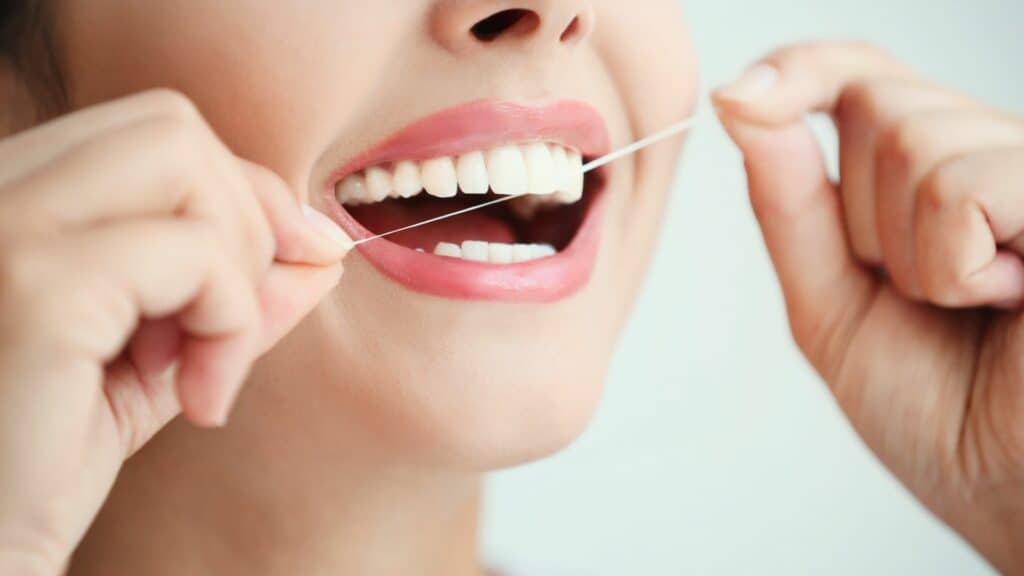
Anxiety often shrinks when a child understands why dental care exists. Talk about brushing and flossing as everyday habits that keep teeth strong, not as chores that earn a trip to the dentist. Children who connect care at home with easy, comfortable check-ups tend to feel more in charge of the whole process.
When a Child Needs Extra Support
Some children need more than preparation. Children with disabilities, children with previous difficult dental experiences, and children whose fear does not settle after several calm visits may benefit from a different approach, which can include extra time, a different appointment pace, or other options your dentist can discuss. It is also worth asking your child’s dentist what sedation options exist and whether they are appropriate, since that decision depends on your child’s age, health history, and the treatment needed. Bring your questions to the office rather than relying on secondhand information.
Making Dental Visits a Normal Part of Family Life
Children who visit the dentist consistently, with the same kind of routine as a haircut or a check-up at the doctor, usually stop treating appointments as a big deal. That consistency is where the long-term payoff lives. If your child is nervous today, that does not mean they will be nervous forever. Small steps, honest conversations, and a patient dental team add up to real change.
If your child has dental anxiety and you are looking for an Owings Mills practice that will take it slowly, we would be glad to meet your family. Toothfully Yours offers pediatric dentistry alongside general, cosmetic, and emergency care, so your child’s dental home can grow with them.
Frequently Asked Questions
At what age should a child first see a dentist?
Early visits matter more for familiarity than for treatment. A first appointment in toddlerhood is usually short and simple, and it teaches your child that the dental office is a normal, safe place. Starting early also gives the dentist a chance to spot small problems while they are easy to handle. If your child is older and has not been yet, it is still worth booking now.
How can I tell if my child is anxious about the dentist?
Young children usually show anxiety rather than describe it. Common signs include restlessness, trouble sleeping before an appointment, irritability, and difficulty paying attention at school as the visit gets closer. Some children ask repeated questions, go quiet, or complain of stomach aches. Treat these behaviors as signs of worry rather than misbehavior, and respond with reassurance and clear information about what will happen.
Does role-playing at home actually help?
Yes. Role-playing can be a powerful tool to ease a child’s fears. Set up a pretend dental office at home and take turns being the dentist and the patient. Count each other’s teeth with a small mirror and let your child play the dentist for you. Practising in advance turns an unknown experience into something familiar, which reduces fear on the day of the appointment.
Is distraction useful during a dental visit?
Simple distractions like music, stories, or visual aids can divert a child’s attention from the procedure. Distraction tends to work best when it begins before anxiety builds, so bring headphones or a favorite playlist if that helps your child, and ask the office what they already have available. Combining distraction with a clear signal your child can use to pause a visit often works even better.
What if my child’s dental anxiety does not improve?
Some children need more support than preparation alone. Children with disabilities and children with previous difficult dental experiences may have higher anxiety levels, and fear sometimes needs extra time or a different approach. Talk with your child’s dentist about what options exist, including appointment pacing and sedation questions, since those decisions depend on your child’s age and health history.