






Most people brush twice a day, floss when they remember, and still end up with a cavity at some point. Fluoride works on the tooth itself, not just on the plaque sitting on top of it. A professional fluoride treatment in Owings Mills takes only a few minutes during a routine visit, and it adds protection that toothpaste and drinking water do not always cover on their own.
This guide covers what fluoride does, why both adults and children benefit, how gel, foam, and varnish are applied, and what a preventive visit looks like at a dental office in Owings Mills.
What a fluoride treatment actually does
Fluoride treatments protect and strengthen teeth. Their main job is preventing tooth decay, the kind of damage that leads to fillings or root canals once it works its way past the surface. That matters because enamel, the outer shell of every tooth, is the strongest substance in the human body, yet it still takes daily punishment from acids and sugars. Over time, enamel can demineralize and weaken, especially without consistent oral care at home.
Fluoride steps in at that weak point. Applied directly to the teeth, it reinforces enamel so it holds up better against the acids and sugars that wear it down. In practical terms, that means fewer surprises at your next exam and less chance of a small problem turning into an expensive one.
Why adults still benefit from fluoride
Many adults assume fluoride is only for children. That is not how most dentists treat it. Even with fluoridated toothpaste, fluoride in public water sources, and a decent brushing routine, most patients still benefit from added fluoride treatment. Between coffee, acidic drinks, dry mouth, medications, and the natural wear of years, adult enamel faces plenty of strain.
Fluoride treatment is a reasonable option for adults who have:
- A history of cavities, even occasional ones
- Areas of enamel that have weakened or demineralized
- Difficult spots to keep clean between teeth or around older restorations
- Long gaps between dental visits
Think of it as an extra layer of defense on top of the brushing, flossing, and cleanings you already do.

Fluoride for kids in Owings Mills
Children are often more susceptible to tooth decay, which is why fluoride shows up so often in pediatric preventive care. Kids tend to eat more sugar, brush less thoroughly, and have softer, newer enamel. A professional fluoride treatment during a routine cleaning gives their teeth a stronger surface to work with while their home habits are still developing.
Fluoride is not a substitute for good habits, and it is not a one-time fix. It works best as part of a pattern: regular exams, cleanings, and treatment when the dentist thinks it is necessary. Families that keep up with preventive visits usually need less corrective work later, which is easier on both kids and parents.
How a dentist or hygienist applies fluoride
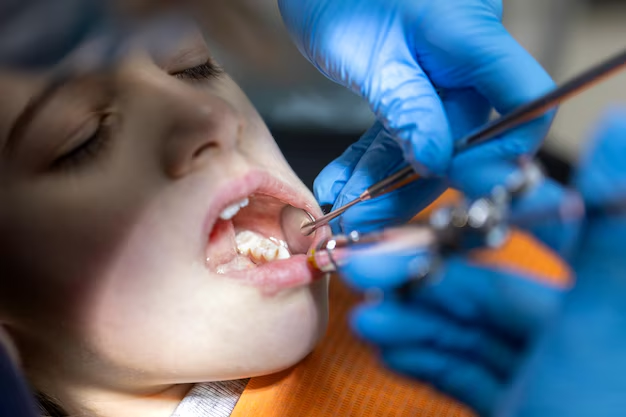
A dentist or hygienist can give a fluoride treatment during a routine dental exam or cleaning. The application itself uses a gel, foam, or varnish that is applied directly to the teeth. The whole process fits into a normal appointment rather than requiring a separate trip, and no drilling or numbing is involved.
The format your dentist chooses depends on your age, your cavity risk, and what they find during the exam. Varnish tends to be used where a targeted layer makes the most sense, while gel and foam cover the broader surface of the teeth. If you have questions about which format you are getting and why, ask during the visit. It takes a minute and makes the whole thing feel less mysterious.
What to expect at a preventive visit in Owings Mills
A fluoride treatment is usually one step inside a larger preventive appointment. A typical sequence looks like this:
- Individual tooth cleaning to fully remove plaque and tartar from above and below the gumline
- Polishing the teeth to smooth the surfaces and remove surface stains
- Fluoride treatment when the dentist or hygienist determines it is necessary
- Protective sealants on the chewing surfaces of back teeth when they make sense
- An exam of the teeth, gums, and soft tissues, plus any X-rays or follow-up the dentist recommends
Sealants and fluoride are often discussed together because they approach protection from different angles. Fluoride strengthens enamel across the tooth, while sealants cover the deep grooves where food and bacteria collect. For many patients, using both as part of a balanced preventive approach makes sense.
If you are scheduling in Owings Mills, the office is located at . You can reach the practice at to confirm appointment details.
Building an everyday routine around your treatment
A fluoride treatment at the dental office does not replace what happens at home between visits. The basics still carry most of the weight:
- Use fluoridated toothpaste every time you brush
- Schedule a dental exam and teeth cleaning on a regular cadence
- Clean between the teeth daily with floss or another interdental tool
- Limit how often sugary and acidic drinks hit your teeth
You can do more than this, but you should not do less. Patients who keep that baseline steady tend to get the most out of professional fluoride, because the treatment is reinforcing a habit rather than replacing one.
Questions worth asking before your appointment
Fluoride is a routine part of preventive dentistry, but routine does not mean it should be automatic. A short conversation with your dentist can tell you whether it fits your situation right now.
- What is my current cavity risk, and has it changed since my last visit?
- Which format of fluoride would you recommend for me, and why?
- Do my children need it at their next cleaning?
- How does fluoride fit with sealants or other preventive care we have discussed?
- What should I change at home to lower my risk between visits?
Cost and insurance for fluoride treatment
Pricing for fluoride treatment varies by practice, and the sources reviewed for this article do not list current fees or coverage terms in Owings Mills. Rather than guess, call the office directly and ask two things: what the treatment costs, and whether your dental plan covers it. If you are paying out of pocket, ask whether it is bundled with a cleaning or billed separately. Your insurance carrier can confirm coverage rules on their end, so it is worth checking both the practice and your plan before your visit.
Frequently Asked Questions
Is fluoride treatment safe for children?
Fluoride treatment is a standard part of preventive dental care for kids, who are often more susceptible to tooth decay than adults. A dentist or hygienist applies the gel, foam, or varnish directly to the teeth during a routine exam or cleaning. If you have questions about your child’s specific needs, ask the dentist before the appointment and share any concerns you have.
Do I still need fluoride if my toothpaste already has it?
Often, yes. Fluoride appears in many dental products and public water sources, but most patients still benefit from an added professional fluoride treatment. Toothpaste delivers small amounts daily, while an in-office treatment places a more concentrated layer directly on the teeth. Your dentist can tell you whether that extra step is worth it based on your cavity history and current enamel condition.
How often should I get a fluoride treatment?
The sources reviewed here do not specify a universal schedule, because the right interval depends on your age, cavity risk, and what the dentist sees during your exam. Fluoride is usually applied as part of a routine dental exam or cleaning, so the easiest approach is to ask at your next visit how frequently it makes sense for you.
Does a fluoride treatment hurt?
No drilling, numbing, or recovery time is involved. A dentist or hygienist applies a gel, foam, or varnish directly to the teeth during a routine appointment. If you have sensitive teeth or a strong gag reflex, mention it beforehand so the team can adjust how they work. Any lingering questions about sensitivity are best directed to your dentist.
Should adults get fluoride treatment too?
Adults can benefit just as much, particularly those with a history of cavities, weakened enamel, or long stretches between dental visits. Fluoride strengthens tooth enamel, which keeps protecting the tooth against acids and sugars over time. Even patients who brush and floss consistently may still gain something from it, since enamel naturally wears down with age and daily wear.
Fluoride treatment is a small addition to a routine appointment that pays off in fewer cavities and stronger enamel over the years. If you are due for a cleaning in Owings Mills, ask about it at your next visit and let your dentist explain what they see on your teeth.