


If you wake up with a sore jaw, feel tension headaches building by mid-afternoon, or notice that you clench your teeth without thinking, you may be dealing with TMJ disorder or bruxism. Both conditions can make everyday activities like eating, talking, and even yawning uncomfortable. While there are many treatment options, Botox has become a popular choice for relaxing the jaw muscles and reducing pain. The neurotoxin protein Botox, which comes from botulism toxin, can relieve symptoms of TMJ pain for up to four months. Best of all, these facial injections can be done by your dentist.
What Is TMJ and Bruxism?
TMJ stands for temporomandibular joint, the hinge that connects your jaw to your skull. When this joint and the muscles around it become irritated, the result is often referred to as TMJ disorder or TMD. Bruxism is the habit of grinding or clenching your teeth, and it often happens during sleep. Together, these conditions can cause significant jaw tension and discomfort.
Temporomandibular joint disorders are notoriously difficult to diagnose and treat. Many of the related symptoms, such as headaches and earaches, often lead doctors to diagnose a sinus condition instead of a problem with the jaw joint. TMJ symptoms also change in severity over time, which can make the condition confusing for patients. One day the pain may be mild, and the next it may be hard to open your mouth fully. This unpredictability is one reason why many people seek out a dentist who understands the jaw and bite in depth.
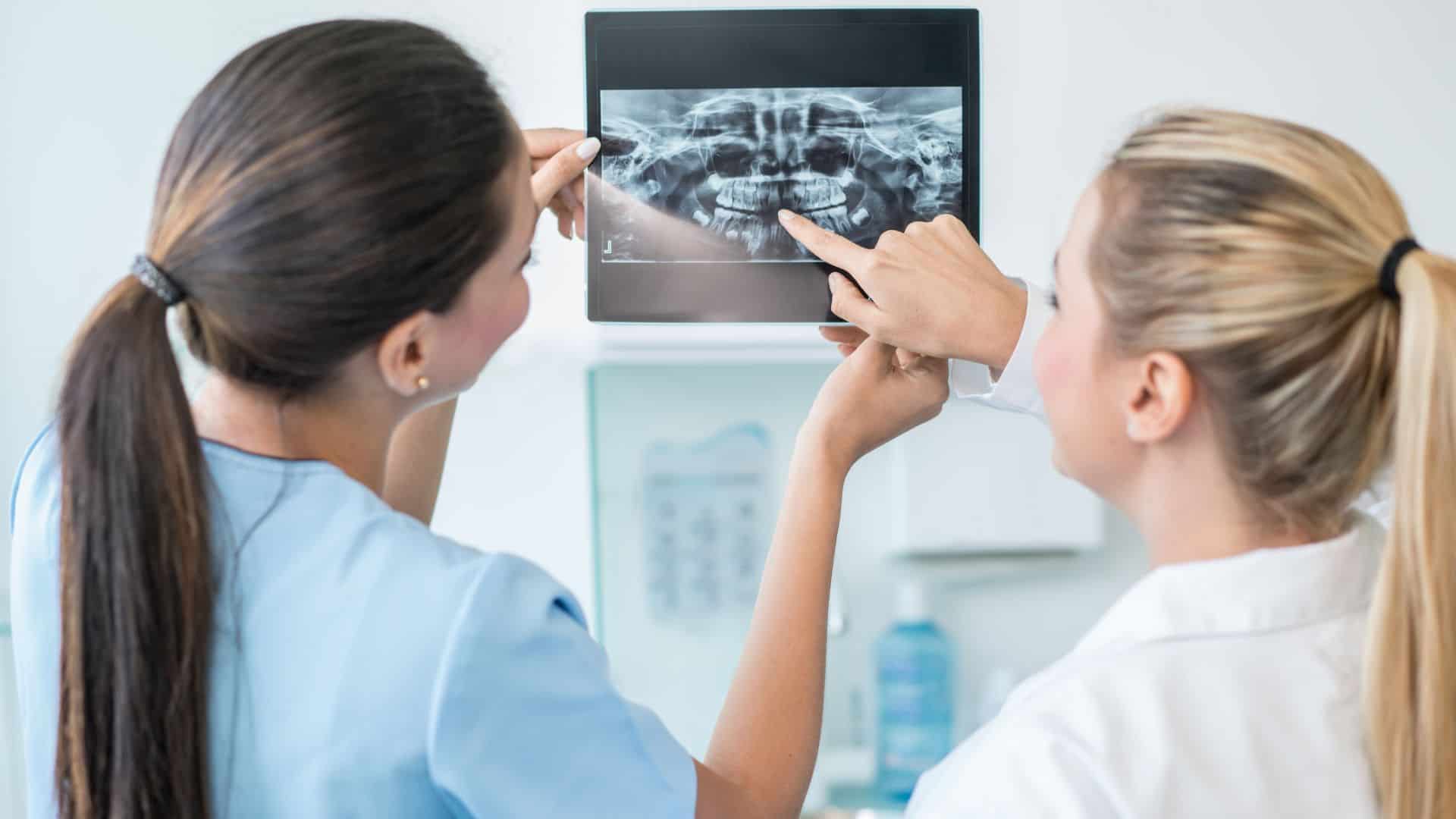
Signs that TMJ or bruxism may be affecting you include pain when chewing, clicking or popping in the jaw, facial soreness, and headaches that seem to start near the temples. If you notice these symptoms regularly, it is worth scheduling a dental visit. A dentist can evaluate your bite and jaw function and help determine whether a treatment like Botox would be appropriate.
How Botox Works for TMJ and Bruxism
Botox works by reducing the ability of the jaw muscles, primarily the masseter and temporalis, to contract fully. These are the large muscles that power chewing and clenching. When they are overactive, they create constant tension on the jaw joint. By weakening that contraction slightly, Botox lowers the muscle force that contributes to pain and strain.
This effect is the reason Botox injections have been proven effective in treating bruxism and TMJ/TMD. The injections relax the jaw muscles and reduce tension and overactivity, which helps the joint and surrounding tissues recover. In practical terms, Botox can first relieve the pain associated with TMJ disorders by preventing the muscles from moving the jaw in detrimental ways, such as the grinding and clenching motions that cause wear and tear.
Botox injections are sometimes described as an effective and painless way to alleviate tension in the temporomandibular joint. For many patients, this means less jaw pain, fewer headaches, and an overall improvement in comfort. The treatment does not change the structure of the joint, and it does not stop you from using your jaw normally. It simply calms the muscles that are working too hard.

Why See a Dentist for Botox Treatment for TMJ
Botox for TMJ is a therapeutic treatment, not just a cosmetic one. Dentists are well suited to provide this care because they study the jaw joint, the bite, and the facial muscles that move the jaw. When you visit a dentist for TMJ-related Botox, the focus is on improving function and reducing discomfort, not just smoothing lines.
Therapeutic Botox injections are designed to relieve TMJ-related jaw pain, muscle tension, and discomfort caused by clenching or grinding. A dentist who offers this treatment can identify the specific muscles that are contributing to your symptoms and target them precisely. This approach helps relieve pain from TMJ disorder and improve the function of the TMJ muscle.
Dentists also have a major advantage when it comes to diagnosis. Because they see patients regularly for check-ups and cleanings, they can spot signs of grinding, such as worn enamel or inflamed gums, early. If you are already seeing a dentist for routine care, asking about Botox for TMJ is a natural next step. At Toothfully Yours in Owings Mills, MD, cosmetic dentistry services include Botox, and the team can help you determine whether therapeutic injections are right for your jaw concerns.
What to Expect During TMJ Botox Treatment
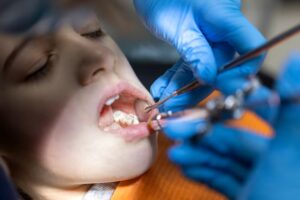
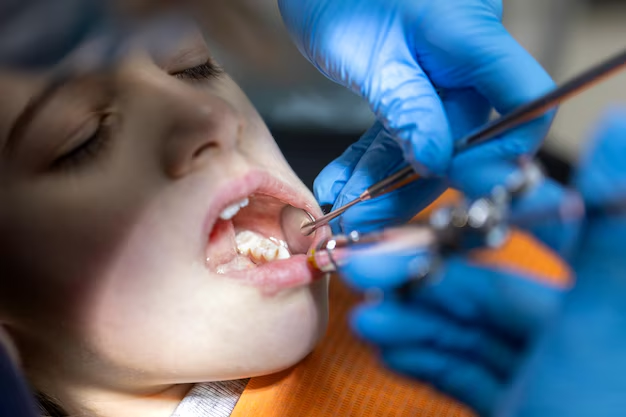
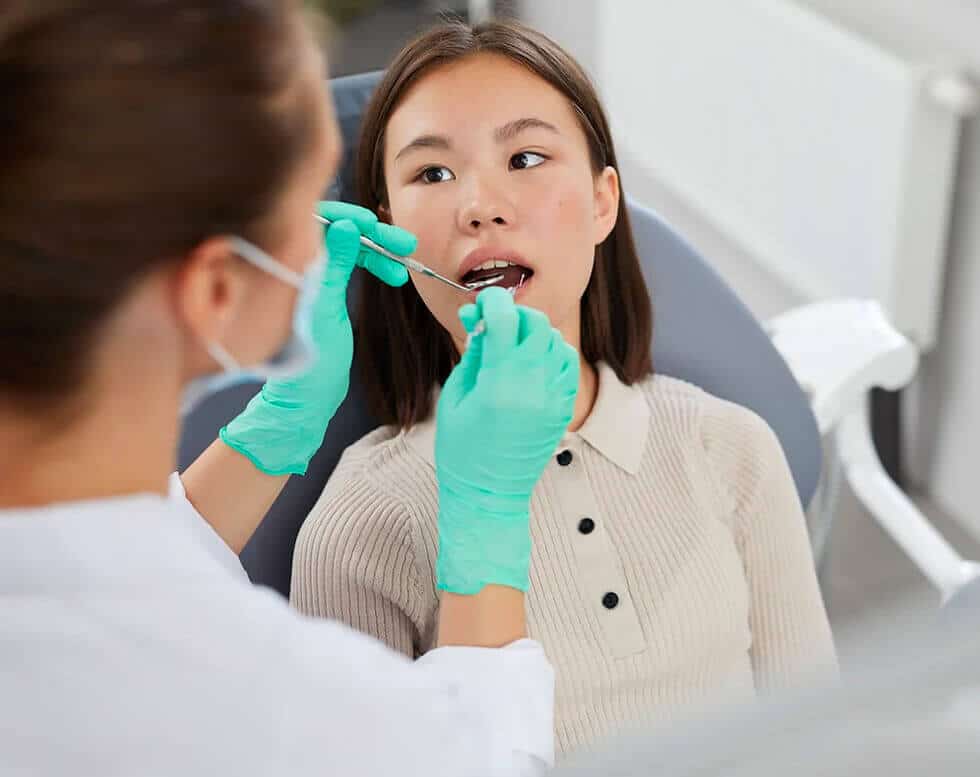
Botox for TMJ is performed in the dental office and does not require an overnight stay. The dentist identifies the target muscles, usually the masseter along the side of the jaw and the temporalis near the temples, and delivers small injections into those areas. Most patients tolerate the process well, and many providers describe the injections as quick and comfortable.
There is generally no downtime after Botox for TMJ. You can return to your normal routine right away, which makes the treatment convenient for busy schedules. The goal of each session is to ease the tension in the jaw so that clenching and grinding cause less damage and discomfort.
Relief from Botox is not permanent, which is normal for this type of treatment. The effects typically last up to four months. As the muscle activity gradually returns, you may notice the jaw tension building again. At that point, you can schedule another round of injections to maintain the results. Your dentist can help you plan a schedule that keeps your symptoms under control.
Is Botox for TMJ Right for You?
Botox for TMJ can be a good option if you have chronic jaw pain, frequent tension headaches, or a confirmed habit of grinding your teeth. It is especially helpful for people who have tried other treatments without enough relief. Since TMJ disorders vary so much from person to person, a dental evaluation is the best way to know whether Botox is appropriate for your situation.
During a consultation, the dentist will ask about your symptoms, examine your jaw movement, and look for signs of bruxism. If Botox seems like a good fit, the dentist will explain what the treatment involves and what you can expect. If another approach would serve you better, they can recommend alternatives. The right treatment plan depends on your specific symptoms and goals.
If you are in the Owings Mills area and looking for a Botox for TMJ dentist, the team at Toothfully Yours offers personalized, gentle care for patients of all ages. From routine check-ups to cosmetic treatments like Botox, the practice focuses on making every visit comfortable. Call today to schedule a consultation and find out how Botox could relieve your jaw pain and help you get back to feeling like yourself.

Frequently Asked Questions
Can a dentist give you Botox for TMJ?
Yes. Facial injections for TMJ pain can be performed by your dentist. A dentist who offers Botox can target the jaw muscles involved in clenching and grinding. Because dentists study the bite and jaw joint in depth, they understand how to inject these muscles safely and effectively. Ask your dental office whether they provide therapeutic Botox for TMJ.
How long does Botox relief last for TMJ?
Botox can relieve symptoms of TMJ pain for up to four months. The exact duration varies from person to person based on the severity of the condition and how your body responds. When the effects begin to fade, you can schedule another round of injections to maintain relief. Your dentist can help you determine the right timing.
Is Botox for TMJ painful?
Botox injections for TMJ are sometimes described as an effective and painless way to alleviate tension in the jaw joint. The injections are quick and use a fine needle, so most patients tolerate them without difficulty. Afterward, you can return to normal activities with little to no downtime.
Can Botox help with teeth grinding?
Yes. Botox injections have been proven effective in treating bruxism, the medical term for teeth grinding and clenching. The injections relax the jaw muscles and reduce tension and overactivity, which lessens the force of grinding. This can protect your teeth from wear while also reducing jaw pain and headaches.