
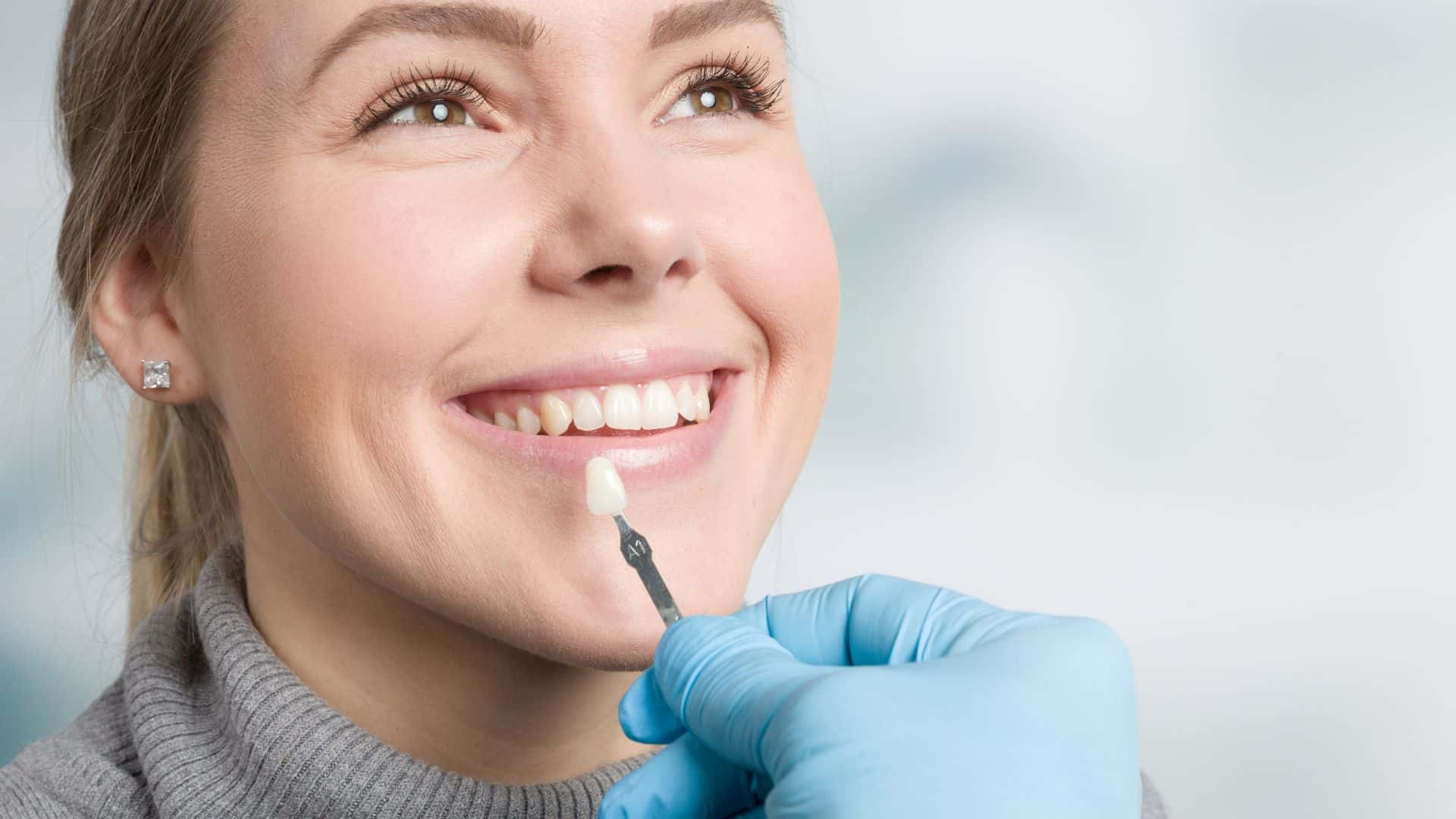


If you’ve ever thought, “Am I too old for Invisalign?” you’re not alone. For many adults, the idea of undergoing orthodontic treatment feels like something best left to teenage years. But today, more adults than ever are choosing to straighten their teeth, and Invisalign is leading the way. With its subtle appearance, comfort, and flexibility, Invisalign makes it easier for adults to achieve the confident, healthy smile they’ve always wanted.
Gone are the days when metal braces were the only solution. Invisalign offers a modern, discreet option that fits seamlessly into adult lifestyles. Whether you’re attending meetings, social events, or just going about your daily life, clear aligners give you the freedom to improve your smile without the self-consciousness often associated with braces.
Key Takeaways:
- Invisalign is a clear, custom-fit aligner system designed to straighten teeth.
- It is suitable for adults of all ages, even those over 55, provided they have good oral health.
- Aligners are removable, making it easier to eat and maintain oral hygiene.
- Treatment duration varies but typically ranges from 12 to 18 months.
- Patient commitment is essential for success.
What Is Invisalign?

Invisalign is a modern orthodontic treatment that uses a series of custom-made, clear plastic aligners to gently and gradually shift your teeth into their ideal positions. Unlike traditional braces, Invisalign does not involve metal brackets or wires. Instead, each set of aligners is crafted specifically for your teeth using advanced 3D imaging technology.
The process starts with a digital scan of your mouth to map out your treatment plan. From there, a series of aligners is created, with each one designed to make slight adjustments to your teeth. Typically, you’ll switch to a new set of aligners every two weeks. Over time, this gentle pressure moves your teeth into better alignment.
Invisalign can address a range of dental concerns, including crowding, spacing, and mild to moderate bite problems. The aligners are smooth and transparent, making them barely noticeable, and they can be removed when eating or brushing, which adds to their appeal.
Why Invisalign Works for Adults
Aesthetic Advantage
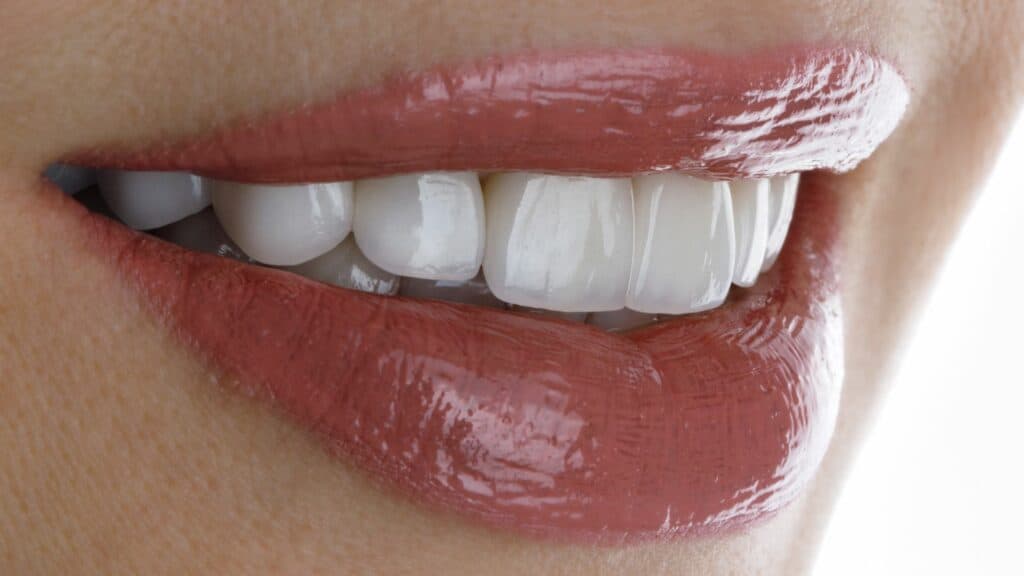
Many adults hesitate to pursue orthodontic treatment because of the appearance of traditional braces. Invisalign solves this problem by offering a discreet, nearly invisible alternative. You can go about your daily life without anyone noticing you’re wearing aligners.
Flexibility and Comfort
One of the standout features of Invisalign is its flexibility. The aligners are removable, allowing you to eat whatever you like and maintain your regular oral hygiene routine. This is especially important for adults who have demanding schedules or prefer minimal disruptions to their lifestyles.
Improved Oral Health
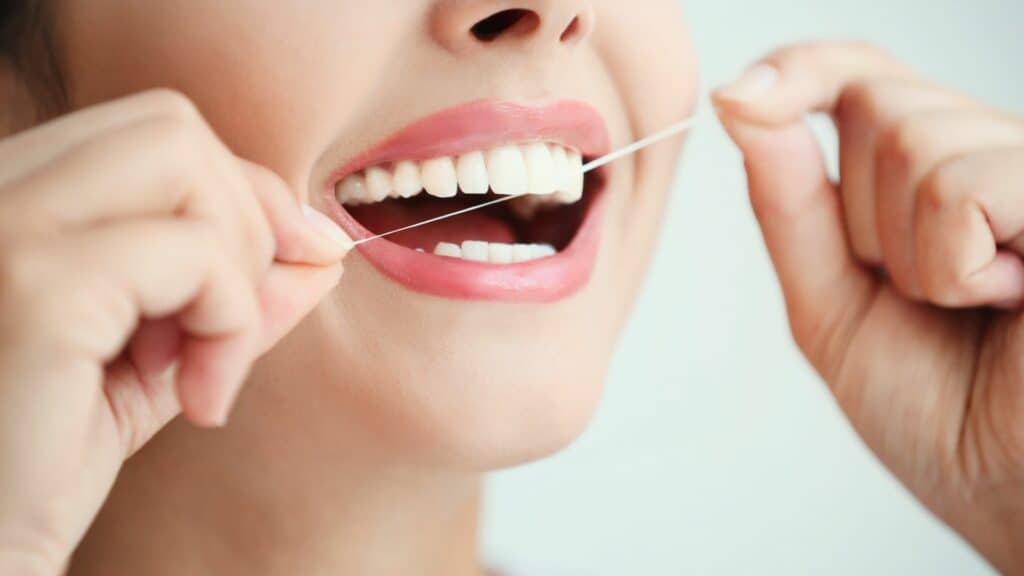
Straightening your teeth isn’t just about looks. Misaligned teeth can contribute to jaw pain, difficulty cleaning, and uneven wear. Invisalign helps correct these issues, making it easier to brush and floss effectively and reducing the risk of future dental problems.
Is There an Age Limit?
Absolutely not. Age is just a number when it comes to Invisalign. The most important factor is oral health. As long as your gums and bones are healthy, Invisalign can be a viable treatment option. Many adults in their 40s, 50s, and even 60s have successfully improved their smiles with Invisalign.
A comprehensive dental exam is the first step to see if you’re a candidate. Your dentist or orthodontist will assess your overall oral health and determine if Invisalign is the right choice for you.
“There’s truly no age limit when it comes to feeling good about your smile. If your teeth and gums are healthy, Invisalign can be a great option whether you’re 25 or 65.” – Dr. Pooja Soni, DDS
The Invisalign Process: End to End
Step 1: Consultation
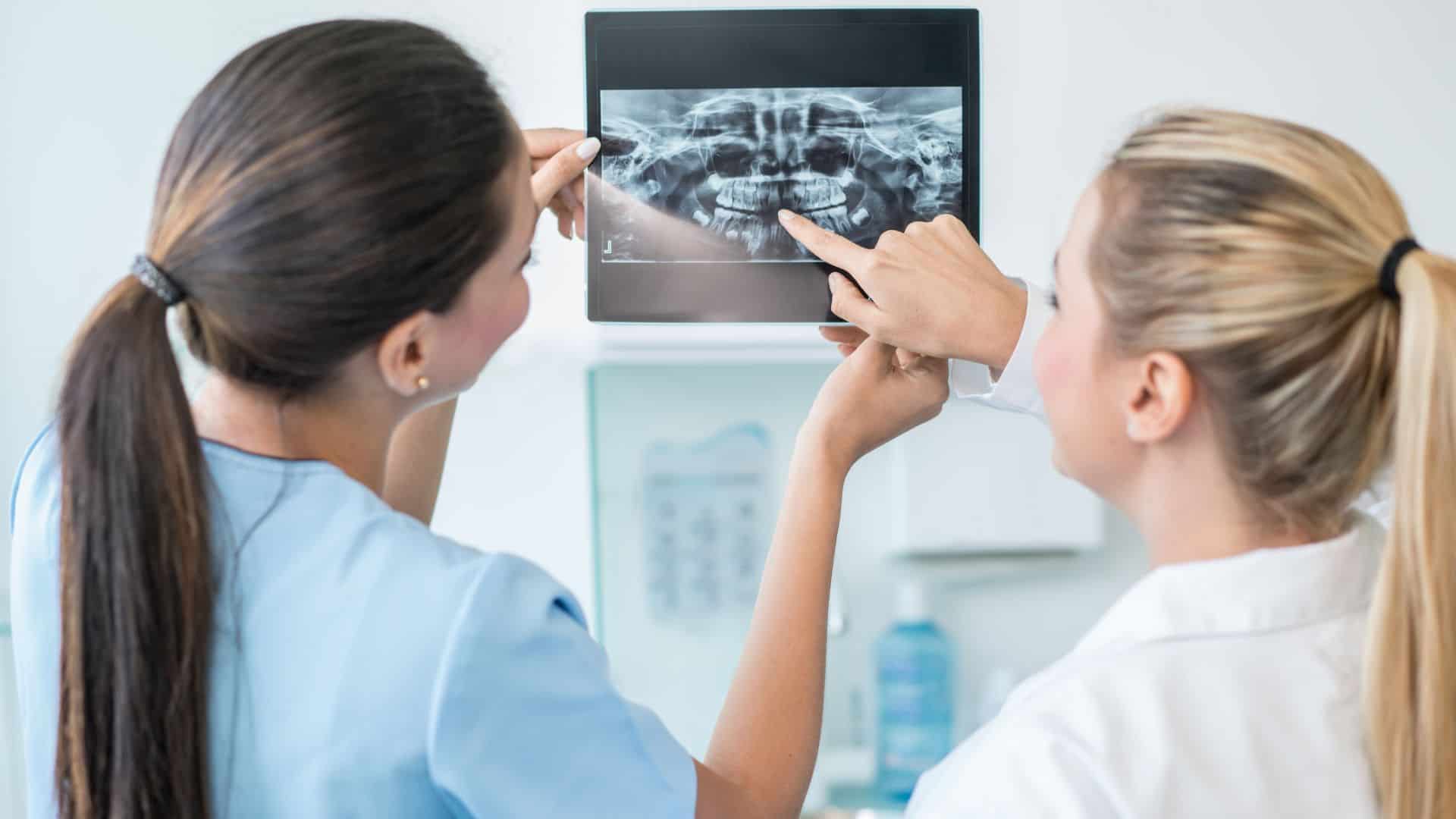
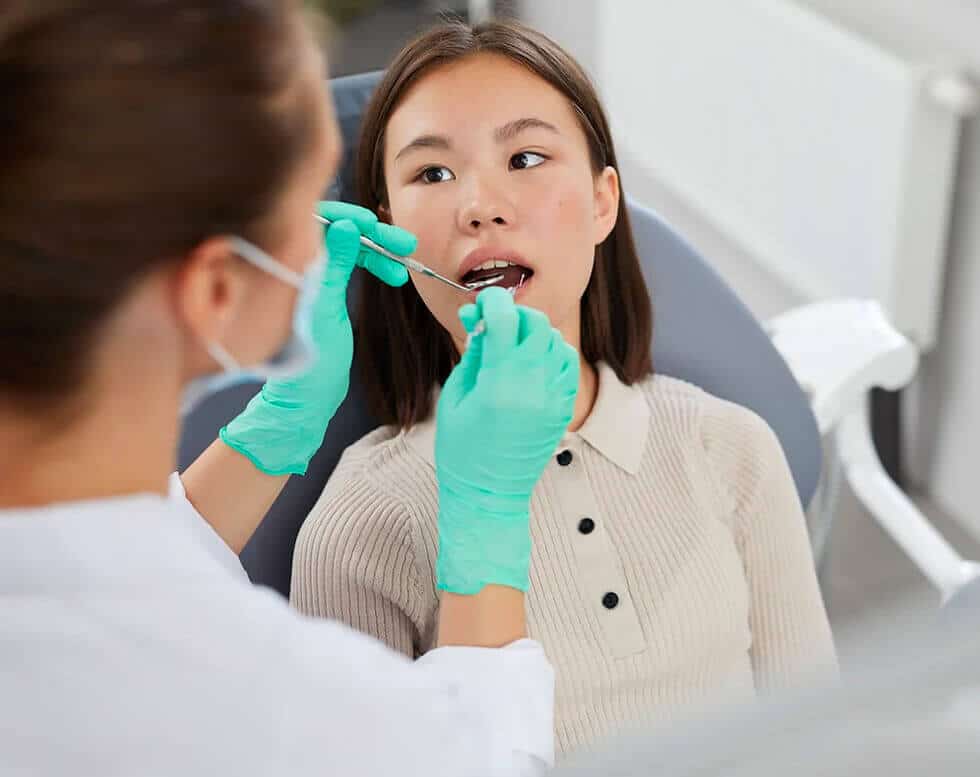
Your journey begins with a consultation, where your provider evaluates your dental alignment and overall oral health. Digital scans or X-rays may be taken to build a clear image of your teeth and bite.
Step 2: Personalized Treatment Plan
Using digital imaging software, a 3D model of your mouth is created. This allows your provider to plan each stage of your treatment, showing you how your teeth will move and what the final results could look like.
Step 3: Wearing Your Aligners
Once your aligners are ready, you’ll begin wearing them for 20 to 22 hours a day. You should only remove them when eating, drinking anything other than water, and brushing and flossing. Every couple of weeks, you switch to the next set in your series.
Step 4: Check-Ins and Adjustments
You’ll check in with your provider every few weeks to ensure your progress is on track. These appointments are usually quick and less frequent than those for traditional braces.
Step 5: Enjoying Your New Smile
After completing your treatment, you may need to wear a retainer to keep your teeth in their new position. Your provider will guide you on how often to wear it.
The Challenges to Consider
While Invisalign offers many benefits, it’s important to be aware of potential challenges:
Cost: Treatment typically ranges depending upon the quality. Some insurance plans may cover part of the cost, and many dental offices offer financing options.
Discipline Required: Invisalign only works if you wear the aligners consistently. Skipping days or hours can slow your progress.
Temporary Discomfort: You may experience some discomfort, especially when switching to a new set of aligners. This usually fades within a couple of days.
Oral Hygiene Commitment: Since aligners can trap food and bacteria, you must brush and floss after every meal before putting them back in.
Lifestyle Adjustments: You’ll need to take your aligners out when eating or drinking anything besides water. This may require planning, especially when dining out or during social gatherings.
Why Choose Us at Toothfully Yours Dental
At Toothfully Yours Dental, we know how important a confident smile is at any age. Our team is committed to providing care that is both effective and compassionate. We use the latest technology to ensure your Invisalign treatment is precise, comfortable, and personalized to your needs. From your first consultation to the final result, we support you every step of the way. With flexible scheduling, clear communication, and a warm, welcoming environment, we make your journey to a better smile as smooth as possible.
Conclusion
It is never too late to invest in your smile. Invisalign offers adults a clear, comfortable, and effective way to straighten their teeth and improve their oral health. With a personalized treatment plan and a bit of discipline, you can achieve the results you want without the hassle of traditional braces. Whether you’re looking to boost your confidence, fix long-standing dental issues, or simply enjoy the benefits of a healthier mouth, Invisalign could be the perfect solution.
Start with a consultation and discover how easy it can be to transform your smile. Because age should never be a barrier to feeling your best.
Frequently Asked Questions
1. How long does Invisalign treatment usually take for adults?
Most adult patients complete their Invisalign treatment within 12 to 18 months, though some may see results in as little as 6 months depending on the complexity of the case.
2. Are there any food restrictions with Invisalign?
No, since the aligners are removable, you can eat whatever you like. Just remember to take them out while eating and brush your teeth before putting them back in.
3. Will Invisalign affect my speech?
Some people experience a slight lisp when they first start wearing aligners, but this typically goes away within a few days as your mouth adjusts.
4. Is Invisalign more expensive than braces?
Invisalign is usually comparable in cost to traditional braces, but it can vary depending on your treatment plan. Many offices, including ours, offer flexible payment plans.
5. Can I get Invisalign if I’ve had braces before?
Yes, Invisalign is a great option for adults who had braces as a child but have seen their teeth shift over time. It can help you regain your straight smile without going through braces again.