







Deciding how to replace missing teeth is a significant choice, and the dental implants vs dentures debate is one of the most common conversations patients have with their dentist. Both options aim to restore your smile, improve chewing ability, and allow you to eat a wider range of foods. Yet they work in very different ways, and each has its own costs, maintenance needs, and long-term outlook. Understanding those differences helps you weigh what matters most for your oral health, daily comfort, and budget.
What Are Dentures?
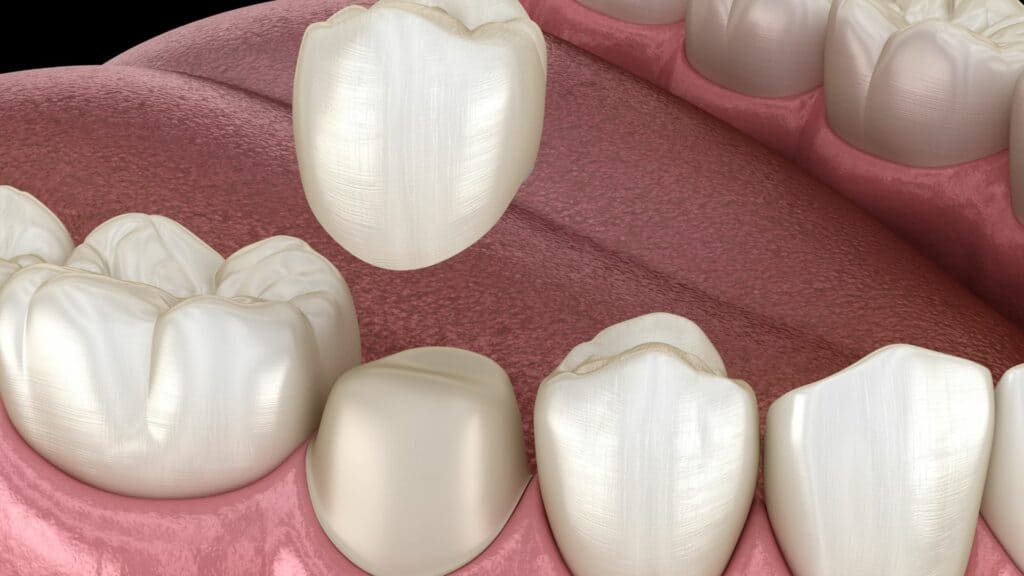
Dentures are removable appliances that sit on the gums to replace missing teeth. They are one of the most established approaches to tooth replacement, and traditional dentures remain a more affordable option than implants for many patients. Instead of being attached to the jaw, they rest on the gum tissue and can be taken out for cleaning and for sleep.
Because dentures depend on fit and suction, they may require occasional adjustments. Many patients find that dentures need more maintenance than dental implants. For example, the fit can change over time, which means relines or other tweaks may be necessary to keep the appliance comfortable. Even with those needs, dentures restore the appearance of a full smile and improve chewing, which allows people to expand the variety of foods they can enjoy.
What Are Dental Implants?
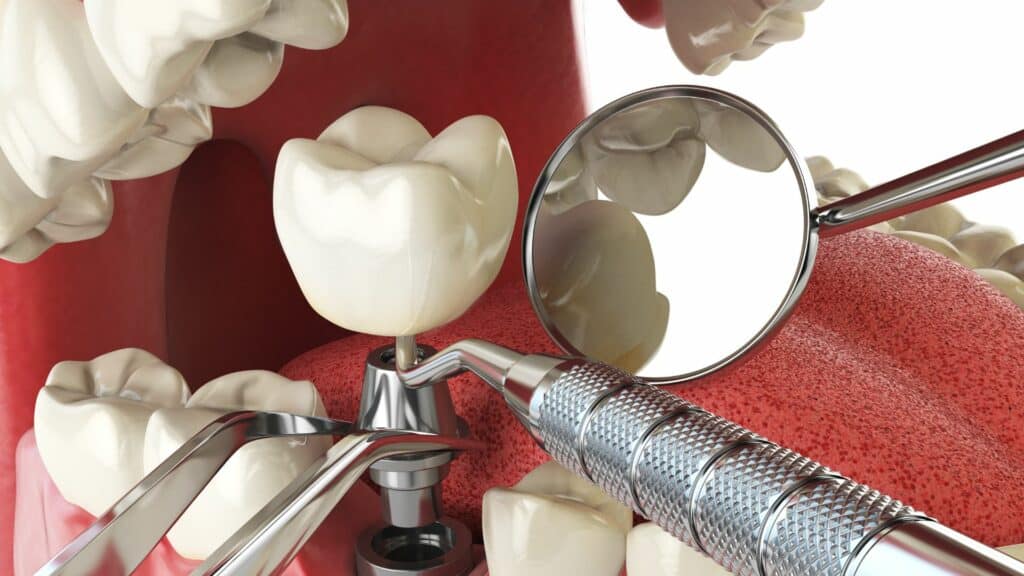
Dental implants are titanium posts that are surgically anchored into the jawbone. This is what separates them from dentures. Instead of resting on the surface of the gums, an implant becomes part of the structure that supports the replacement tooth. The result is a fixed, long-lasting solution that looks like natural teeth.
Implants typically require a higher initial investment than dentures. However, they are designed to be a long-term solution. In many cases, implants can provide 20 or more years of service, which may make them more economical over time despite the higher upfront cost. Because they are placed directly into the jawbone, implants offer a durability that removable appliances often cannot match.

What Are Implant-Supported Dentures?
You do not have to settle for a simple either-or choice. Implant-supported dentures combine elements of both traditional dentures and dental implants. Unlike traditional dentures that rest on the gums, implant-supported dentures are anchored to dental implants that are surgically placed into the jawbone. The denture then attaches to those implants for a much more secure fit.
This design carries benefits beyond stability. Implant-supported dentures provide greater stability and improved chewing ability, which can make everyday eating more comfortable. They also help prevent bone loss in the jaw, something traditional dentures cannot do. For patients who need to replace multiple teeth but want more security than a removable denture offers, this combined approach can be a practical middle ground.
Comparing Dental Implants vs Dentures at a Glance
The table below summarizes the key differences between traditional dentures and dental implants, based on how each option is designed to perform.
| Factor | Dentures | Dental Implants |
|---|---|---|
| Attachment | Removable appliance that sits on the gums | Titanium post surgically anchored into the jawbone |
| Initial cost | Generally less expensive | Typically requires a higher initial investment |
| Longevity | May require occasional adjustments | Can provide 20 or more years of service |
| Chewing ability | Improves chewing and expands food choices | Improves chewing; implant-supported versions add greater stability |
| Bone health | No jawbone support benefit | Implant-supported options help prevent bone loss |
Both dental implants and dentures aim to replace missing teeth and improve chewing ability, allowing you to eat a wider range of foods. The main differences come down to how each option attaches in the mouth, what you pay up front, and how much upkeep it demands over the years.
Which Tooth Replacement Is Right for You?
The dental implants vs dentures decision is not a one-size-fits-all matter. The best option depends on your unique situation, your dental needs, and your priorities for comfort and convenience. Because each method affects daily life differently, it helps to reflect on a few key questions before making a choice.
- Does a lower upfront cost matter more to you than long-term durability?
- Do you want a removable appliance or a fixed solution that stays in place?
- Is protecting your jawbone health a priority for the years ahead?
- Are you replacing one tooth, several teeth, or a full arch of teeth?
If you want the most affordable option, dentures generally cost less than implants. That lower price is attractive, but it should be weighed against the expectation of occasional adjustments and a higher level of maintenance over time.
If you prefer a fixed solution that feels stable and can last for many years, dental implants may justify their higher cost. They are placed directly into the jawbone and are designed to serve for 20 years or more. That kind of longevity can save money over the long run, even when the initial bill is larger.
If you need to replace several teeth and want greater security than a traditional denture can provide, implant-supported dentures may be the right middle path. They deliver improved chewing ability, added stability, and jawbone protection in one treatment plan.
A dental examination and a conversation with your dentist is the best next step. Your dentist can review your oral health, explain what each option involves, and help you decide which approach fits your long-term goals. At Toothfully Yours in Owings Mills, patients can receive guidance on tooth replacement and full care that includes dental implants and full mouth reconstruction.

Conclusion
When comparing dental implants vs. dentures, there is no single solution that is right for every patient. Dentures can be an affordable and effective way to restore your smile and chewing ability, while dental implants offer a fixed, durable solution with the potential to last 20 years or more. For patients seeking greater stability while replacing multiple teeth, implant-supported dentures can provide a balance between the benefits of dentures and implants.
Ultimately, the right choice depends on your oral health, the number of teeth you need to replace, your budget, and your long-term goals. A professional dental evaluation is the best way to determine which option is appropriate for you. If you’re considering tooth replacement, Toothfully Yours in Owings Mills can help you understand your options and create a treatment plan designed around your needs.
Frequently Asked Questions
Are dentures less expensive than dental implants?
Yes. Dentures generally cost less than dental implants, which makes them a more accessible option for many patients. Dental implants typically require a higher initial investment. However, implants are designed as a long-term solution and can provide 20 or more years of service. Over time, that durability can offset the higher upfront price and reduce the need for repeated adjustments.
Why might a dentist recommend implants over dentures?
A dentist may recommend implants when a patient wants a fixed, long-lasting option that looks like natural teeth. Implants are titanium posts anchored into the jawbone, and they can last for decades when cared for properly. A dentist may also suggest implant-supported dentures because they provide greater stability, improve chewing ability, and help prevent bone loss.
Do implant-supported dentures feel like traditional dentures?
No. Traditional dentures rest on the gums and are removable, while implant-supported dentures are anchored to dental implants that are surgically placed into the jawbone. Because of that anchoring, implant-supported dentures offer greater stability and improved chewing ability. They also help prevent bone loss, which gives them an advantage that traditional dentures cannot offer.