











Cavities are one of the most common reasons patients visit a dentist, and the treatment usually comes down to a simple restoration. In Owings Mills, MD, composite dental fillings give patients a tooth-colored option that repairs decay without drawing attention to the treated tooth. Instead of a visible metal patch, these fillings blend quietly with the rest of the smile while protecting the tooth from further damage.
Composite fillings have become a top choice for modern restorative care. They are made to match the natural shade of each tooth, which makes them an appealing alternative for anyone who wants a repair that stays out of sight. The material is durable, attractive, and highly compatible with the tooth itself, so it works well for everyday dental problems like small and medium cavities.
What Are Composite Dental Fillings?
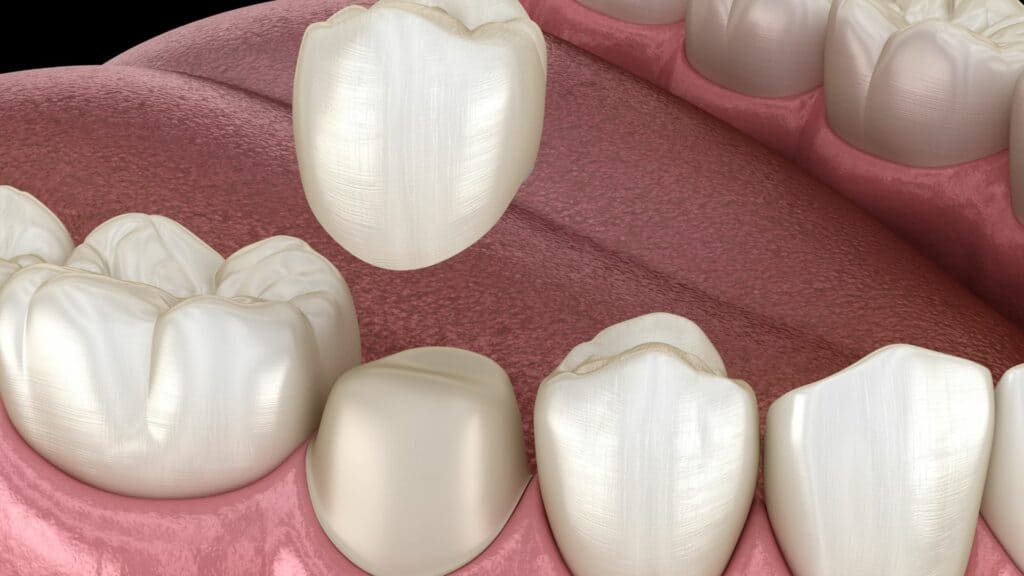
A dental filling is a restoration used to replace an area of decay inside a tooth. When a cavity forms, the dentist removes the decayed tissue, cleans the area, and then fills the space with a restorative material. Composite resin fillings are made from a blend of plastic and glass materials that are tooth-colored in nature. This sets them apart from older filling materials that stand out against the enamel.
Fillings serve two important purposes. They stop the spread of decay by sealing the tooth, and they fill the small hole left after the cavity has been removed. The result is a tooth that is stronger and able to function normally again. With proper care, composite fillings can last for many years before they need to be replaced with new material.
Why Choose a Tooth-Colored Filling?
Patients looking for a natural appearance often prefer composite restorations. Because the resin can be shaded to match the surrounding tooth structure, a well-placed filling is hard to detect, even up close. This makes composite fillings a practical option for anyone who wants to preserve the look of their smile.
Fillings That Match Your Natural Shade
Composite resin is made to match the color of your existing teeth. The dentist can select the right shade so the restoration blends in with the enamel around it. This is especially helpful for front teeth, where metal fillings would be easily visible every time you smile or speak. A natural-looking filling helps the repaired tooth appear healthy and whole.
Material That Bonds Directly to the Tooth
One of the benefits of composite fillings is the way they attach to the tooth. The material bonds directly to the tooth structure rather than simply sitting inside the cavity. This creates a tight connection that helps support the remaining enamel. Composite also expands and contracts in a way that is similar to natural tooth structure, which can make the restoration feel more stable and comfortable over time.
Durable and Highly Compatible
Composite fillings are known for being durable and highly compatible with the mouth. The resin material resists wear during everyday chewing and speaking, and it does not introduce metal into the smile. For patients who prefer metal-free dentistry, composite restorations offer a clean way to repair decay without sacrificing strength or appearance.

Composite Fillings for Front and Back Teeth
Some patients assume tooth-colored fillings are only suitable for visible front teeth. In reality, composite resin is versatile enough for the back teeth too. Dr. Pooja Soni explains that well-bonded composite fillings, for both front and back teeth, are the best solution for the repair of small to medium cavities. That makes composite a dependable choice for most everyday restorative needs.
When a filling is placed in a back tooth, it has to handle more chewing pressure. A well-bonded composite filling supports the remaining tooth structure and holds up well during normal use. Because the material can be shaped and polished to fit the contours of the tooth, it restores both the look and the function of the damaged area.
What to Expect During a Composite Filling Procedure
Getting a filling is a common general dentistry procedure, and most patients are in and out of the chair quickly. The dentist begins by removing the decay from the affected tooth, then cleans the area thoroughly to prepare it for the restoration. Once the space is clean, the composite resin is placed, shaped, and hardened into place.
The general steps are straightforward:
- The dentist examines the tooth and identifies the area of decay.
- The decayed portion of the tooth is removed.
- The area is cleaned and prepared for the filling material.
- Composite resin is applied to match the natural tooth shade.
- The material is shaped and polished to restore the tooth’s look and function.
Many composite restorations can be completed in a single visit. The resin is hardened with a special light beam once it has been shaped, so there is no need for a second appointment. After the procedure, the tooth is protected from further damage and ready for normal use.
Tooth Bonding Uses the Same Material
Composite resin also plays a role in cosmetic dentistry through a treatment called tooth bonding. This procedure applies resin to the surface of a tooth to restore or improve its appearance. Bonding can repair chips, gaps, and other minor imperfections in a single visit, using the same material as a metal-free filling. If you are interested in enhancing your smile without metal restorations, bonding is a convenient option to mention during your appointment.
Are Composite Fillings a Good Option for Decayed Teeth?
When a cavity is small or medium in size, composite fillings offer an excellent balance of strength and aesthetics. The filling material is designed to handle the demands of everyday chewing while keeping the tooth looking natural. Composite resin is also a practical choice because it restores the damaged area without requiring the removal of large amounts of healthy tooth structure.
Early treatment is important. The sooner a cavity is addressed, the smaller the filling needs to be, and the more natural tooth structure can be preserved. Regular check-ups help dentists catch decay before it spreads deeper into the tooth, which means composite fillings can often solve the problem before more extensive treatment is needed.
Choosing a Dentist for Composite Fillings in Owings Mills, MD
Finding the right dentist matters when you need a filling that is both strong and attractive. Patients in Owings Mills, MD, are welcomed by dental teams that focus on personalized, high-quality care in a comfortable setting. A caring approach makes a difference, especially for patients who feel anxious about dental work or who are bringing children in for their first filling.
During your appointment, the dentist will evaluate the tooth, discuss your options, and explain what to expect. Many local practices welcome new patients and make it easy to schedule a visit for tooth-colored fillings. If you have a cavity or suspect that one is developing, reaching out to a dentist in Owings Mills is the first step toward protecting your smile.
Frequently Asked Questions
How long do composite fillings last?
Composite fillings can easily last for many years before they need to be replaced. The exact lifespan depends on the size of the filling, the location of the tooth, and how well you care for your teeth at home. Routine check-ups allow the dentist to monitor the filling and catch any wear early so it can be repaired while the tooth is still healthy.
Can composite fillings be used on back teeth?
Yes. Well-bonded composite fillings are suitable for both front and back teeth and are widely considered the best solution for repairing small to medium cavities. Composite resin bonds directly to the tooth structure, which helps it hold up under chewing pressure in the back of the mouth while still providing a natural, tooth-colored result.
Are composite fillings metal-free?
Composite fillings are made from plastic and glass materials called composite resin, so they do not contain metal. This makes them a popular choice for patients who prefer metal-free dental restorations. The same material is also used in tooth bonding and other cosmetic repairs, which means you can address decay and minor cosmetic concerns without introducing metal into your smile.
What is the difference between tooth bonding and a filling?
Tooth bonding and composite fillings use the same resin material, but they solve different problems. A filling repairs a cavity by removing decay and filling the hole left behind. Bonding repairs the surface of a tooth to improve its appearance, such as covering a chip or closing a small gap. Both treatments can often be completed in a single visit.
If you live in Owings Mills, MD, and think you may need a tooth-colored restoration, schedule an appointment with a local dentist. Catching decay early gives you the best chance to preserve your natural tooth with a strong, attractive composite filling that keeps your smile looking its best.