









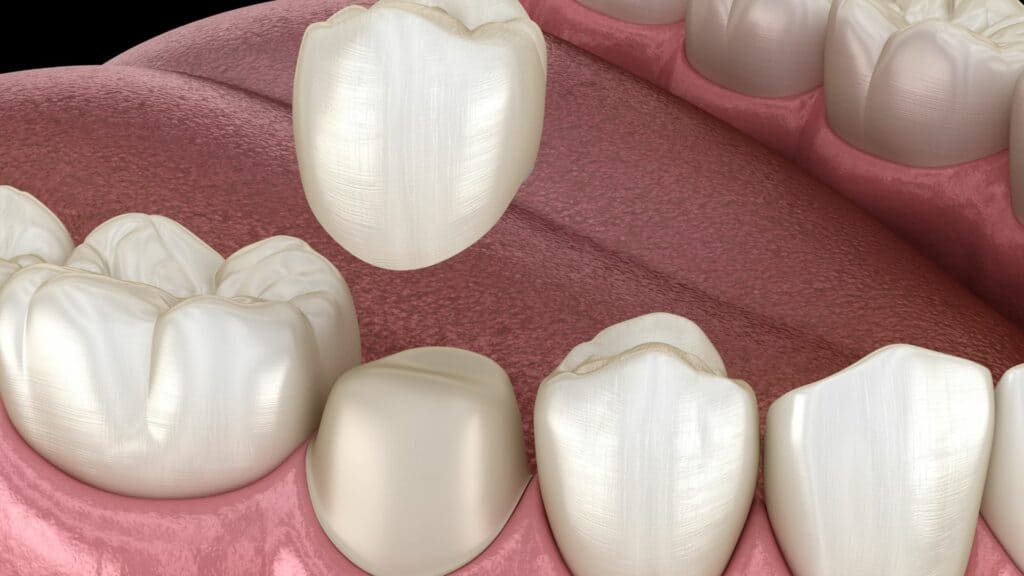



Cavities are one of the most common reasons people visit the dentist, and the material chosen to repair a tooth can affect everything from how the tooth looks to how long the restoration lasts. The two most popular options are composite and amalgam, often called white fillings and silver fillings. Both serve the same purpose: they fill the space left after decay is removed and help the tooth return to normal function. But they differ in appearance, durability, and the reasons patients choose one over the other. Understanding those differences makes it easier to feel confident when your dentist recommends a treatment.
What Is an Amalgam Filling?
Amalgam fillings have a long history in dental care. They have been used to treat cavities for about 150 years, and they appear dark and silvery after they are placed. This obvious metallic color is why so many people know them as silver fillings, and it is also why the material is easy to spot in the mouth.
The material built its reputation on strength. Amalgam is generally more durable and long-lasting than composite, and with proper care, amalgam fillings can last up to 15 years or more. For teeth that handle heavy chewing, that record has made amalgam a trusted fix for generations. Amalgam also contains mercury, a topic that raises questions for many patients. The desire to avoid mercury exposure leads some people to choose a different material when a new cavity is treated.
What Is a Composite Filling?
Composite fillings are known as white fillings because they can be shaded to blend in with natural teeth. The material is made from plastic and glass compounds, and it can be matched to the exact shade of the surrounding tooth. In the mouth, a well-placed composite filling can be nearly invisible.
Composite is a newer material than amalgam, but it has become the go-to choice for many dentists and patients. The visual difference between the two options is obvious: amalgam is metallic and dark, while composite is matched to your natural tooth color. Aesthetic preferences alone have driven a steady shift toward composite, especially for cavities in visible areas of the mouth.

Composite Fillings vs Amalgam: Key Differences at a Glance
The chart below summarizes the main differences between the two materials.
| Feature | Amalgam Fillings | Composite Fillings |
|---|---|---|
| Common name | Silver filling | White filling |
| Appearance | Dark, silvery, metallic | Matches the natural tooth shade |
| Material | Metallic material | Plastic and glass compounds |
| Track record | About 150 years of use | Newer material |
| Durability | Generally more durable; can last 15 years or more | More likely to fail in permanent back teeth in clinical research |
| Popularity | Less commonly preferred today | Preferred by most patients and dentists today |
No filling material is perfect for every situation. The table highlights the trade-off patients often weigh: one material brings a long track record and strength, while the other restores the tooth in a way that disappears into the smile. Both can successfully repair a cavity when they are placed under the right conditions.
Durability and Longevity: Which Filling Lasts Longer?
Longevity matters because nobody wants to repeat a filling in the same tooth a few years later. Amalgam has an edge in many cases. It is generally more durable and long-lasting, and it can hold up for up to 15 years or more with proper care.
Clinical research supports that view in certain situations. A review of composite resin fillings versus amalgam found that composite fillings were significantly more likely to fail when they were used to fill cavities in permanent teeth at the back of the mouth. Back teeth absorb a great deal of chewing force, so material strength matters most in those areas.
Composite technology continues to improve, but small areas are easier to restore with composite than large ones. When the cavity is small, patients often get the aesthetic benefit of a white filling without asking the material to bear the same level of stress. Your dentist can evaluate the specific cavity and give honest guidance about how long each material is expected to last for that tooth.
Appearance: Why Many Patients Choose White Fillings
The most obvious reason people choose composite fillings is appearance. Amalgam is metallic and dark, while composite can be matched to the exact shade of the natural tooth. For a cavity in a front tooth, or in any area visible when a person smiles, that difference can be enough to decide the question on its own.
Preferences have shifted dramatically over the past two decades. Amalgam served dentistry well for roughly 150 years, yet today the majority of patients and dentists prefer tooth-colored restorations. Amalgam remains a durable option, especially for patients who are not concerned about the silver look. But for someone who wants a seamless blend with surrounding teeth, composite is the clear match.
Mercury Exposure and Material Preferences
Mercury is one of the main reasons patients ask for composite fillings in the first place. Amalgam contains mercury, and for some people that concern is enough to steer them toward a white filling. Composite offers those patients a natural-looking restoration that does not involve the same mercury exposure.
Because composite is made from plastic and glass compounds, patients who prefer to limit mercury exposure can ask their dentist about it as an alternative. Dentists can also explain how amalgam has performed over its long history. The final decision should weigh both the safety questions a patient may have and the practical needs of the tooth being treated.
Leakage and Cavity Size: What Else to Consider
Another topic in any filling discussion is leakage at the edges of the restoration. Opinions in the dental community are not uniform. Some dentists point out that composites have shrinkage and may allow more leakage, while others say amalgam is the material more likely to leak over time. There is no single answer that applies to every filling.
Cavity size also affects the choice. Small areas are easier to restore with composite, which means patients with early decay can often receive a tooth-colored filling without giving up strength. Larger cavities in back teeth may shift the balance toward amalgam because of its long record of durability. A dentist who examines the tooth can explain how these factors apply to the specific situation.
How to Choose the Right Filling Material
Ask your dentist to walk through the material options before treatment begins. The following considerations are a good starting point:
- Location of the cavity. Visible areas favor composite because the material matches the natural tooth shade.
- Durability needs. Amalgam is generally more durable and can last up to 15 years or more with proper care.
- Back teeth under heavy chewing. Clinical research found that composite is significantly more likely to fail than amalgam in permanent back teeth.
- Mercury concerns. Composite is an option for patients who want to avoid mercury exposure.
- Cavity size. Small areas are easier to restore with composite.
The right material depends on the tooth, the cavity, and personal preferences. A dentist who examines the decay can explain the trade-offs and help you make a choice you will be comfortable with for years. Toothfully Yours in Owings Mills, Maryland, offers general, cosmetic, emergency, and pediatric dentistry with an emphasis on personalized, gentle care. New patients are welcome to call today and schedule a visit.
Conclusion
Choosing between composite and amalgam fillings depends on the tooth, cavity size, durability needs, appearance, and personal preferences. Composite offers a natural-looking option, while amalgam has a strong track record for durability, particularly in back teeth. A dental examination can help determine which material is the best fit for your needs.
Frequently Asked Questions
Are composite fillings better than amalgam?
Better depends on what matters most to you. Composite is the clear winner for appearance because it blends with your natural tooth, and it is a good option for people who want to avoid mercury exposure. Amalgam is the stronger, longer-lasting choice in many cases, especially in back teeth. Most patients and dentists today choose composite. Your dentist can explain which material fits your cavity best.
Do amalgam fillings last longer than composite fillings?
In general, yes. Amalgam is more durable and can last up to 15 years or more with proper care. Clinical research found that composite fillings are significantly more likely to fail when they are placed in permanent teeth at the back of the mouth. Small cavities filled with composite can still work well. Your dentist can estimate how long a filling may last based on the specific tooth and the size of the cavity.
Are composite fillings safe for back teeth?
Composite fillings can be used in back teeth, and many dentists place them there. However, clinical research found that composite is significantly more likely to fail than amalgam when used to fill cavities in permanent teeth at the back of the mouth. Small areas are easier to restore with composite. For larger cavities in molars that handle heavy chewing, your dentist may recommend a more durable option.
Should I have my old silver fillings replaced?
Old amalgam fillings do not always need to be removed. Many continue to perform well for years when the tooth is cared for properly. If an existing filling shows signs of wear or needs attention, replacing it with composite can improve the appearance of the tooth. Your dentist should examine the filling first. Replacement is a personal decision based on the condition of the tooth and your preferences.