



When it comes to protecting teeth from cavities, dental sealants are often one of the simplest yet most powerful preventive treatments available. They act like a shield over the deep grooves and chewing surfaces of molars, keeping food and bacteria from settling in places that are difficult to reach with a toothbrush.
According to the Centers for Disease Control and Prevention (CDC), dental sealants can reduce the risk of cavities in children’s permanent molars by up to 80% in the first two years after placement. This makes them one of the most effective methods in modern preventive dentistry.
However, a common question arises for many patients and parents: how long do dental sealants actually last, and when should they be replaced?
This blog explores the answer in detail. From understanding the different types of sealants to knowing the signs of wear, you will learn how to get the most out of this preventive solution and maintain long-term dental health.
Key Takeaways
- Dental sealants protect teeth by creating a barrier against food and bacteria.
- They can reduce cavity risk by up to 80% in the first two years after application.
- Resin-based sealants last 5 to 10 years, while glass ionomer sealants last 3 to 5 years.
- Regular dental checkups help monitor sealants and determine when replacement is needed.
- Recognizing signs of wear, such as chipping or tooth sensitivity, is key to timely replacement.
What Are Dental Sealants?

Dental sealants are thin protective coatings applied to the chewing surfaces of the back teeth, primarily molars and premolars. These teeth have natural pits and grooves that can easily trap food and bacteria, making them prone to cavities.
Sealants fill in these grooves, creating a smoother surface that is easier to clean and less likely to harbor decay-causing substances. They are especially helpful for children and teenagers who are more likely to get cavities during their growing years, but adults can also benefit from them.
Sealants are not a replacement for brushing, flossing, or fluoride, but they work as an additional layer of protection that can significantly reduce the risk of tooth decay.
Types of Dental Sealants
Not all dental sealants are the same. There are two main types, each with unique strengths:
Resin-Based Sealants
Resin-based sealants are the most widely used. They consist of a liquid resin that flows into the grooves of the tooth. A curing light is then used to harden the resin, forming a strong, protective coating.
- Durability: With proper care, resin-based sealants can last between 5 to 10 years.
- Effectiveness: Research shows they retain around 80% of their effectiveness after two years.
- Best For: Children and teens, as well as adults looking for longer-lasting protection.
Glass Ionomer Sealants
Glass ionomer sealants are created by combining glass particles and acrylic components. They release fluoride over time, which helps strengthen enamel and protect against cavities.
- Durability: Typically lasts 3 to 5 years.
- Fluoride Benefit: Continuous fluoride release provides added protection, especially for patients at higher risk of cavities.
- Best For: Individuals needing short-term protection or those with a higher risk of decay.
Both types of sealants play a vital role in preventive care, and the choice often depends on a dentist’s recommendation and the patient’s oral health needs.
How Long Do Dental Sealants Last?
Dental sealants are not permanent, but they are designed to provide several years of protection. On average, they last between 5 and 10 years, although some may wear off sooner, and others may last longer with proper care.
The exact lifespan depends on a variety of factors, such as:
- Type of Sealant: Resin-based sealants last longer compared to glass ionomer sealants.
- Location on the Tooth: Molars bear more chewing pressure and may wear down faster than premolars.
- Oral Hygiene: Consistent brushing and flossing help prolong sealant effectiveness.
- Diet: Sticky and sugary foods can speed up wear.
- Habits: Teeth grinding or chewing on tough objects can reduce the life of sealants.
While some sealants may stay intact for a full decade, dentists usually recommend checking them during every routine dental visit to ensure they are still protective.
Factors That Influence Longevity
Several specific factors play a direct role in how long dental sealants will remain effective:
- Sealant Material and Placement: High-quality materials and careful placement by a skilled dentist make a big difference. Moisture during application can reduce bonding, which shortens lifespan.
- Daily Habits: Patients who maintain consistent oral hygiene, including brushing twice daily with fluoride toothpaste, support their sealants better than those with poor routines.
- Dietary Choices: A diet high in sticky, chewy, or acidic foods can gradually erode sealants.
- Oral Conditions: Conditions such as bruxism (teeth grinding) put extra stress on teeth and can cause sealants to chip or crack.
By being mindful of these factors, patients can help extend the life of their sealants and get the most benefit from them.
Signs That Dental Sealants Need Replacement
Dental sealants are not meant to last forever. Knowing when they are due for replacement is important for preventing decay from creeping in unnoticed. Here are the most common indicators:
- Visible Damage: Chipping, cracking, or discoloration on the tooth surface.
- Increased Sensitivity: Experiencing pain or sensitivity in sealed teeth may indicate sealant breakdown.
- Food Trapping: If food starts getting stuck in grooves where sealants once were, it may mean the protective barrier is worn down.
- Changes in Texture: A rough or uneven surface on the tooth can signal sealant deterioration.
If you notice any of these signs, visiting your dentist promptly helps prevent cavities from developing in those vulnerable grooves.
The Replacement Process
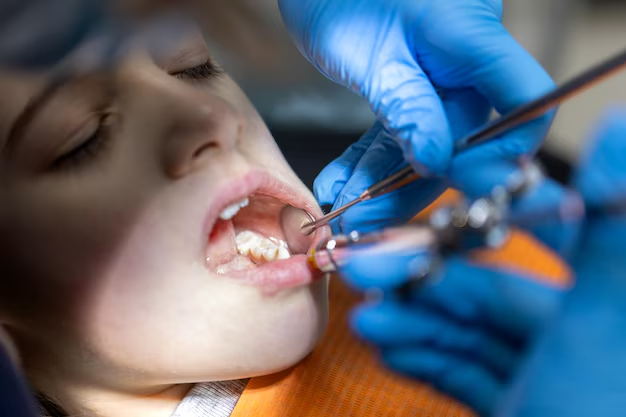
Replacing dental sealants is a simple, painless procedure that can be done during a regular check-up. It is a preventive step that helps maintain long-term protection against cavities and ensures that the teeth remain strong and healthy.
- The dentist examines the tooth and removes any remaining parts of the old sealant. This step allows them to check for any early signs of decay underneath and ensures that the new sealant will bond properly to the tooth surface.
- The tooth is cleaned and prepped with a mild solution that roughens the surface for better bonding. This preparation creates a secure base, making sure the sealant adheres firmly and stays in place for years to come.
- A new sealant is applied to the grooves and hardened with a curing light. The material flows into the tiny pits and fissures of the tooth, forming a smooth and protective barrier against food particles and bacteria.
- The process takes only a few minutes per tooth and requires no drilling or removal of healthy enamel. Because it is so quick and non-invasive, patients often find it an effortless addition to their routine dental visits.
Dentists often recommend reapplication every 4 to 5 years, even if the sealants appear intact, to ensure ongoing cavity protection.
Benefits of Regular Monitoring and Replacement
Sealants are most effective when they are properly monitored and replaced as needed.
- Better Protection Against Cavities: Studies show sealants can prevent up to 80% of cavities in the first two years and continue offering protection for up to a decade with maintenance.
- Cost Savings: Preventing cavities with sealants can save hundreds of dollars in dental treatment costs, especially when compared to fillings, root canals, or crowns.
- Improved Quality of Life: Fewer cavities mean fewer dental visits for painful treatments, less school time missed for children, and peace of mind for parents.
“Keeping a close eye on your sealants and replacing them when needed can mean fewer cavities and more peace of mind. I’ve seen firsthand how a small check today prevents big problems tomorrow.” — Dr. Pooja Soni, DDS
Best Practices for Maintaining Dental Sealants
Sealants last longer and perform better when supported by positive habits.
- Consistent Oral Hygiene: Brush twice a day with fluoride toothpaste and floss daily to protect both the teeth and the sealants.
- Balanced Diet: Choose fruits, vegetables, dairy, and other tooth-friendly foods while limiting sticky or sugary snacks.
- Avoid Harmful Habits: Refrain from chewing ice, biting nails, or grinding teeth.
- Routine Dental Visits: Regular check-ups allow dentists to catch early wear and reapply sealants before problems arise.
Following these steps can help ensure that sealants remain strong and protective for as long as possible.
Why Choose Toothfully Yours?
Toothfully Yours believes preventive dental care should be simple, effective, and comfortable for every patient. Our team uses advanced materials and techniques to ensure sealants last as long as possible while providing maximum protection against cavities. We take the time to explain the process in simple terms, answer your questions, and make the experience enjoyable for both children and adults. With regular monitoring and personalized care, we help you maintain strong, healthy teeth and avoid unnecessary treatments in the future.
The Bottom Line
Dental sealants are one of the most valuable tools in preventive dentistry, creating a protective barrier that can last for years and dramatically reduce the risk of cavities. While resin-based sealants may last up to 10 years and glass ionomer sealants typically last 3 to 5 years, the exact duration depends on daily care, dietary habits, and regular dental check-ups.
Knowing when to replace sealants, watching for signs of wear, and maintaining healthy oral practices are all essential to getting the most out of this preventive treatment. By working closely with your dentist and staying proactive, you can enjoy long-lasting protection and peace of mind about your oral health. Contact our expert doctors for complete guidance.
Frequently Asked Questions
1. How long do dental sealants usually last?
Dental sealants typically last between 5 and 10 years, with resin-based sealants being the longest-lasting. Glass ionomer sealants last about 3 to 5 years but provide additional fluoride benefits.
2. Can adults get dental sealants, or are they only for children?
Yes, adults can also benefit from dental sealants. While they are most common in children and teens, adults with deep grooves in their molars or a high risk of cavities can be suitable candidates.
3. Do dental sealants hurt when applied or replaced?
No, the process of applying or replacing dental sealants is completely painless. It does not involve drilling or removing tooth structure, and it is usually done in just a few minutes per tooth.
4. How do I know if my sealants need to be replaced?
Signs include chipping, cracking, food getting stuck in the grooves, or tooth sensitivity. Regular dental checkups are the best way to monitor the condition of sealants.
5. Are dental sealants worth the cost?
Yes, dental sealants are considered highly cost-effective. They prevent cavities that would otherwise require expensive treatments, saving families both money and stress in the long run.