











Few things can stop you in your tracks like sudden and severe tooth pain. Dental emergencies are never convenient, and when the pain is overwhelming or an infection begins to spread, many patients wonder if extraction is their only option. Emergency tooth extractions are performed when a tooth cannot be saved or poses a risk to your overall health. But extraction is not always the first answer. Sometimes, the right treatment can preserve your tooth and restore its function without removal.
According to the American Association of Endodontists, more than 15 million root canals are performed each year in the United States to save natural teeth that might otherwise be extracted. At the same time, the CDC reports that nearly one in five adults over 65 has lost all of their teeth, often due to untreated decay and gum disease. These numbers show the importance of both timely intervention and choosing the right treatment path.
Emergency dental care is about fast decisions, but also about making the best choice for long-term oral health. This blog explores when an extraction is truly necessary, when a tooth can be saved, and how proactive care can reduce the likelihood of ever facing that decision.
Key Takeaways
- Emergency tooth extraction is necessary when a tooth cannot be saved due to severe decay, trauma, or infection.
- Saving the tooth with treatments like root canals, restorations, or periodontal therapy is possible in many cases.
- Recognizing symptoms early and seeking immediate care increases the chances of saving natural teeth.
- Preventive measures such as regular dental visits and good hygiene lower the risk of emergencies.
- Choosing the right dental team ensures you receive care that balances immediate relief with long-term health.
What Is an Emergency Tooth Extraction?

An emergency tooth extraction is the immediate removal of a tooth due to conditions that threaten oral health or cause severe pain. Unlike planned extractions, emergency extractions are unanticipated and often result from urgent situations such as advanced gum disease, serious infections, or traumatic injuries.
There are two main types:
- Simple extractions involve visible teeth that can be removed with standard instruments.
- Surgical extractions are more complex, requiring incisions into gum tissue or bone to reach a broken or impacted tooth.
Dentists begin with an evaluation and X-rays, followed by anesthesia to ensure patient comfort. The procedure may include socket enlargement and sutures, with post-care instructions focused on managing pain, preventing infection, and encouraging healing.
Indications for Emergency Tooth Extraction
Gum Disease
Severe gum disease, especially advanced periodontitis, can loosen teeth to the point that they cannot be saved. When teeth lose their support due to gum recession and bone loss, extraction becomes the only way to prevent further complications.
Severe Tooth Pain and Infection
Abscesses are a common reason for emergency extraction. An untreated infection inside the tooth pulp can lead to swelling, fever, and even systemic illness. When the infection is too advanced for a root canal or antibiotics, removal may be the safest choice.
Damage Beyond Repair
Extensive decay or fractures near the gum line can leave a tooth beyond restoration. If fillings, crowns, or root canal therapy cannot rebuild the structure, extraction is necessary to protect the surrounding teeth and tissues.
Trauma and Fractures
Accidents, falls, or sports injuries can break or dislodge teeth. If damage is too extensive, extraction relieves pain and prevents infection.
Crowding and Orthodontic Needs
Sometimes, teeth are extracted to relieve crowding or prepare for orthodontic treatment. While not always emergencies, severe pain or complications from crowding can make extraction urgent.
Wisdom Teeth Complications
Impacted or infected wisdom teeth are a frequent source of emergencies. Pain, swelling, and infection caused by impacted third molars often require immediate extraction.
“I know how overwhelming dental pain can feel. Sometimes an extraction is the best way to bring relief and protect your smile, and my goal is always to make that process as gentle and reassuring as possible.” — Dr. Pooja Soni
The Procedure: Step by Step
1) Initial evaluation
Your visit starts with a focused exam. The dentist looks at the tooth and the surrounding gums, asks about your symptoms, and reviews your medical history. X-rays help show the root shape, bone levels, and any signs of infection. This information guides the plan so the procedure is safe and predictable.
2) Anesthesia
The area is numbed with local anesthesia, so you stay comfortable. For more complex cases, your dentist may recommend sedation or general anesthesia. The goal is a calm visit with no pain during treatment.
3) Extraction
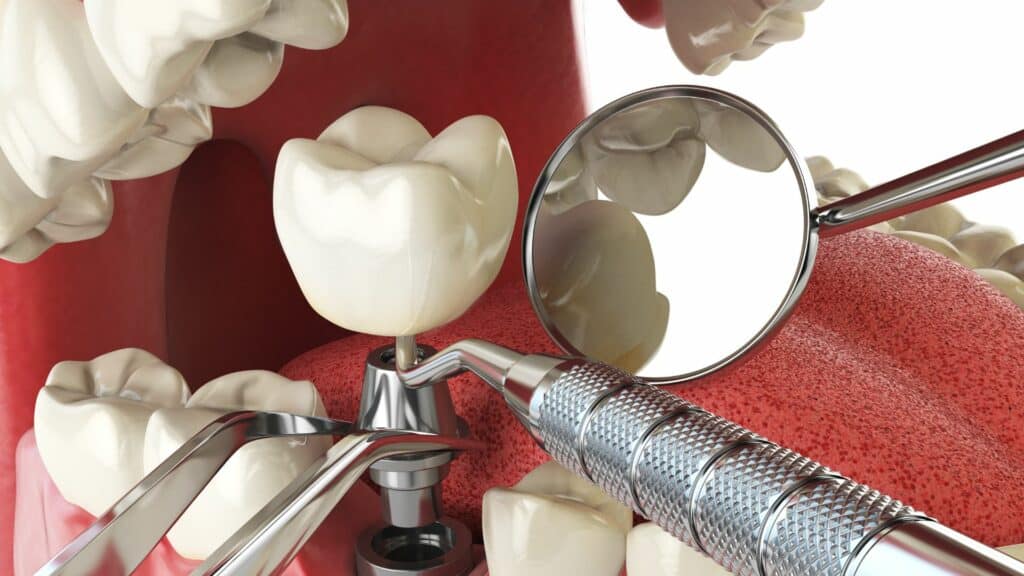
For a simple extraction, the tooth is gently loosened with an elevator and removed with forceps. This is used when the tooth is fully visible and the roots are accessible.
For a surgical extraction, a small incision may be made to reach an impacted or broken tooth. This approach gives the dentist better access and protects nearby tissues. Stitches may be placed if needed.
4) Bleeding control and site care
Right after the tooth is removed, you will bite on gauze to help a blood clot form. The clot protects the area while it heals. Your dentist will check the site and give instructions tailored to your case.
5) Post-extraction care at home
Plan to rest for the remainder of the day. Use an ice pack on the cheek in short intervals to reduce swelling. Choose soft, cool foods and avoid anything hard, sticky, or very hot. Follow the cleaning instructions you are given so the area stays clear of food and plaque while it heals.
6) Follow-up
A check-up is scheduled to make sure healing is on track and to remove any stitches if they were placed. If you notice unusual pain, prolonged bleeding, or swelling that gets worse, contact the office right away so the team can help quickly.
Risks and Complications
While emergency extractions can provide fast relief from pain and infection, they are not without risks. In some cases, bacteria from the affected tooth may spread into the bloodstream, leading to further infection. Patients can also experience significant discomfort that interferes with daily activities until it is properly managed. If underlying problems such as gum disease or bone loss are left unaddressed, additional dental issues may arise.
Another common concern is dry socket, a painful condition that occurs when the protective blood clot fails to form or becomes dislodged. Excessive bleeding is possible, requiring extra attention and care. Beyond the mouth, untreated dental infections can have systemic consequences, with studies linking them to conditions like heart disease and complications in diabetes. These potential risks underscore the importance of seeking prompt treatment and following all aftercare instructions to ensure safe healing and long-term oral health.
Recognizing these risks highlights why timely intervention and proper aftercare are essential.
Alternatives to Extraction
Before deciding to remove a tooth, dentists always consider whether it can be saved. Common alternatives include:
- Root Canal Treatment: Removes infected pulp, cleans the tooth, and seals it to preserve natural structure.
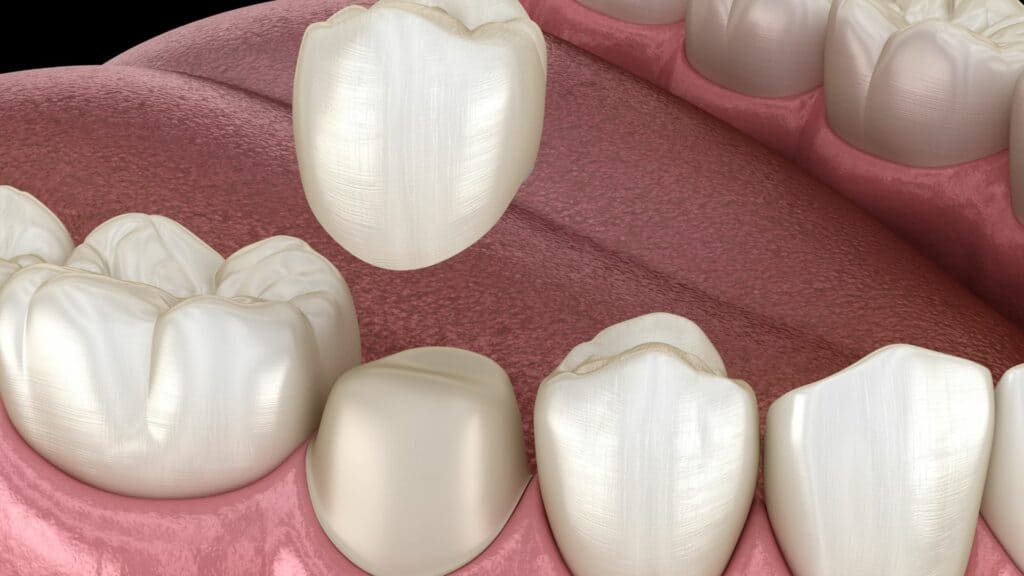
- Restorations: Crowns, inlays, or onlays can strengthen a tooth weakened by decay.
- Periodontal Therapy: Scaling, root planing, or gum surgery can treat gum disease and stabilize teeth.
- Medications: Antibiotics or anti-inflammatory medications can manage infection while planning further treatment.
- Observation: If the situation is not urgent, dentists may monitor the tooth and treat it before extraction becomes necessary.
Preventive Measures
Preventing emergencies is always better than treating them.
- Regular Dental Checkups: Detect decay, gum disease, and other issues early.
- Daily Oral Hygiene: Brushing twice daily with fluoride toothpaste and flossing once a day.
- Protective Gear: Wearing mouthguards during sports prevents traumatic injuries.
- Healthy Lifestyle Choices: Limiting sugar, avoiding tobacco, and eating nutrient-rich foods support stronger teeth.
- Emergency Preparedness: Keeping a dental emergency kit with gauze, pain relief, and your dentist’s contact information can help in urgent situations.
Why Choose Toothfully Yours Dental
Toothfully Yours Dental believes that patients deserve emergency care that goes beyond immediate relief. Our approach is centered on preserving natural teeth whenever possible while ensuring that extractions, when necessary, are performed with precision and compassion. We combine advanced technology with a gentle, patient-first philosophy to deliver care that reduces anxiety and speeds healing. Our team listens carefully to your concerns and guides you through every step, so you feel informed and confident in your treatment.
Choosing Toothfully Yours Dental means choosing a dental home where your comfort, health, and long-term well-being always come first.
The Bottom Line
Emergency dental problems can feel overwhelming, but knowing when a tooth should be extracted and when it can be saved empowers patients to make the best choices. Extractions relieve pain and stop infections, but alternatives like root canals and restorations can often save natural teeth. The key is early action and professional evaluation.
By recognizing symptoms, practicing good oral hygiene, and seeking timely care, patients can avoid the stress and risks of dental emergencies. And when emergencies do happen, having the right dental team ensures you receive care that protects not only your smile but also your overall health.
Read more of our blog here.
Frequently Asked Questions
1. How do I know if I need an emergency extraction?
Severe pain, swelling, fever, or an abscess are strong signs. Only a dentist can determine if removal is necessary.
2. Can an infected tooth always be saved with a root canal?
Not always. If the infection is too advanced or the structure is badly damaged, extraction may be the safest option.
3. What is the recovery time after an extraction?
Most patients recover within 7 to 10 days, though surgical extractions may take longer. Following care instructions speeds healing.
4. Are extractions painful?
Local anesthesia ensures the procedure is not painful. Some soreness afterward is normal, but it is manageable with medication and aftercare.
5. How can I avoid needing emergency extractions in the future?
Maintain good oral hygiene, see your dentist regularly, wear protective gear during sports, and address dental issues as soon as they arise.