





Choosing between Invisalign and traditional braces is one of the most common decisions adults face when they decide to straighten their teeth. Both options can improve the way your teeth look and function, but they work in very different ways. Invisalign uses removable clear plastic aligners to gradually shift teeth, while metal braces use fixed brackets and archwires to apply steady, continuous pressure. Understanding how each system fits into your daily life is the first step toward making the right choice.
How Invisalign Works for Adult Patients
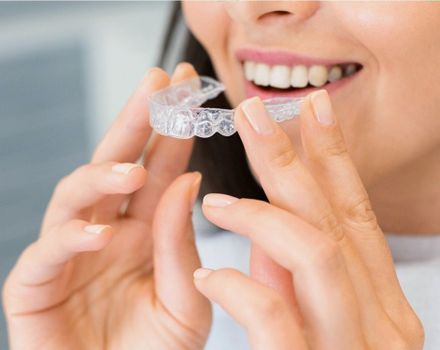
Invisalign treatment relies on a progression of clear plastic aligners that are worn over your teeth and replaced over time as your teeth move closer to their final position. Because the aligners are removable, you take them out when you eat, drink, brush, and floss. That flexibility is one of the main reasons adults choose Invisalign over braces.
Invisalign aligners are nearly invisible, which makes them an attractive option for professionals and anyone who feels self-conscious about wearing visible orthodontic hardware. They are also generally more comfortable than braces, since there are no brackets or wires rubbing against the inside of your mouth.
How Traditional Braces Work for Adult Patients
Traditional braces use metal brackets that are bonded to the front of each tooth, connected by an archwire that applies steady force to guide the teeth into alignment. The wire is periodically adjusted so the teeth keep moving in the right direction.
Modern metal braces are smaller and more streamlined than they used to be, so today’s designs are less bulky than those from previous decades. However, they remain more visible than Invisalign aligners, and the fixed nature of the brackets means you cannot remove them for cleaning or special occasions.
Invisalign Pros and Cons for Adults
Invisalign has become a popular choice among adult patients, and the pros and cons below explain why.
The Pros of Invisalign
Hygiene is one of the biggest advantages of Invisalign. You can easily brush and floss your teeth because the aligners come out of your mouth. This makes it much simpler to keep your teeth and gums clean throughout treatment compared to traditional braces, where cleaning around brackets and wires is more challenging.
Invisalign also fits naturally into a busy adult lifestyle. Because the aligners are removable, you can continue eating the foods you enjoy without worrying about breaking a bracket or getting food stuck in hardware. The clear plastic material is discreet, so most people will not even notice you are straightening your teeth.
Comfort is another advantage. Invisalign is generally more comfortable to wear than braces because there are no metal brackets or wires to irritate your cheeks and gums after adjustments.
The Cons of Invisalign
Invisalign has limitations when it comes to the amount of force it can apply. Braces have more force to move teeth into the desired position, while Invisalign is limited in terms of how much teeth can be moved at a time. This means that certain complex cases may not respond as well to aligner treatment.
Invisalign also requires discipline. Because the aligners are removable, you need to wear them consistently for the treatment plan to stay on track. If you do not stick to the schedule, your treatment time can be extended.
Traditional Braces Pros and Cons for Adults
Traditional braces remain a reliable option for many adults, and they come with their own set of strengths and drawbacks.
The Pros of Traditional Braces
Traditional braces are highly effective at moving teeth. Since braces have more force available to shift teeth into their desired positions, they are often a strong choice for correcting more complex alignment issues. The brackets and wires work continuously, and you do not have to rely on remembering to wear a removable appliance.
Braces are also a fixed treatment, which means the progress you make stays on track as long as you keep your adjustment appointments. For adults who want a dependable option that requires less daily decision-making, braces offer a straightforward path to straighter teeth.
The Cons of Traditional Braces
Cleaning is more difficult with traditional braces. The brackets and wires create many small spaces where food and plaque can build up, making it more challenging to brush and floss effectively. Patients with braces need to pay extra attention to their oral hygiene routine to avoid staining or decay around the brackets.
Braces are also more noticeable than Invisalign aligners, which can be a concern for adults in professional or social settings. Additionally, braces may cause irritation after adjustments as the mouth adjusts to the new pressure and the hardware rubs against soft tissue.
Invisalign vs Braces for Adults: A Side-by-Side Comparison
The table below summarizes the key differences between Invisalign and traditional braces for adult patients.
| Factor | Invisalign | Traditional Braces |
|---|---|---|
| Appearance | Nearly invisible clear aligners | Visible metal brackets and wires |
| Removability | Removable for eating and cleaning | Fixed in place for the full treatment |
| Oral hygiene | Easy to brush and floss normally | More challenging to clean around brackets |
| Comfort | Generally more comfortable | May cause irritation after adjustments |
| Force and movement | Limited in how much teeth move at a time | More force to move teeth into position |
| Treatment time | Typically 12 to 18 months | May take slightly longer depending on severity |
Which Is Better for Adults: Invisalign or Braces?
For most adults, Invisalign is the better fit. It is discreet, removable, and works around your professional and social life. The ability to take the aligners out for meals and cleaning makes it easier to maintain good oral hygiene, and the clear plastic material means your treatment is far less visible to others.
That said, braces still have a place in adult orthodontics. If your case involves significant tooth movement or complex alignment issues, the greater force that braces provide may make them the more effective option. A dentist or orthodontist can evaluate your teeth and recommend the treatment that is most likely to deliver the results you want.
Treatment time is another factor to consider. Invisalign treatment typically ranges from 12 to 18 months, while traditional braces might take slightly longer, depending on the severity of the case. Your timeline will depend on your specific situation, so it is important to discuss expected treatment length during your consultation.
Comfort and appearance also play a role in the decision. Invisalign is nearly invisible and generally more comfortable, while braces are more noticeable and may cause irritation after adjustments. If these factors matter to you, they deserve serious weight in your decision-making process.
Making the Right Choice for Your Smile
There is no single answer that works for every adult. The best choice depends on your dental needs, your lifestyle, and the treatment goals you and your dentist agree on. Invisalign offers discretion, comfort, and easy hygiene, while traditional braces offer powerful, consistent force for more complex movements.
If you are considering straightening your teeth, the most important step is to schedule a consultation with a dental professional who can examine your smile and explain which option suits your case. For many adults, Invisalign is the clear winner because it fits seamlessly into daily life. But for others, the proven force of traditional braces may be the better route. Either way, investing in a straighter smile is a decision that can benefit your confidence and your oral health for years to come.
Frequently Asked Questions
These are some of the most common questions adults ask when choosing between Invisalign and braces.
Is Invisalign more comfortable than traditional braces?
Yes, Invisalign is generally more comfortable to wear than traditional braces. Clear plastic aligners do not have brackets or wires that rub against your cheeks and gums. Traditional braces may cause irritation after adjustments, especially in the first few days following a wire tightening. If comfort is a priority, many adults find Invisalign easier to tolerate.
How long does Invisalign take for adults?
Invisalign treatment typically ranges from 12 to 18 months. Traditional braces might take slightly longer, depending on the severity of the case. The exact timeline varies based on the severity of your case and the amount of movement required. Your dentist can give you a more accurate estimate after evaluating your smile.
Can I brush and floss normally with Invisalign?
Yes. Because Invisalign aligners are removable, you can easily brush and floss your teeth exactly as you normally would. This is one of the biggest advantages over traditional braces, where cleaning around brackets and wires is more challenging. Keeping your teeth clean during treatment is important for preventing decay and gum issues.
Are braces better than Invisalign for complex cases?
Braces have more force to move teeth into the desired position, while Invisalign is limited in terms of how much teeth can be moved at a time. For complex alignment issues that require significant movement, traditional braces may be the stronger option. Your dentist can determine which treatment is appropriate for your specific case.