



Maintaining a healthy, radiant smile goes beyond brushing and flossing at home. Professional teeth cleaning plays a crucial role in preserving oral health and preventing complications that can affect your overall well-being. According to the American Dental Association (ADA), regular dental cleanings can prevent cavities, gum disease, and even serious health conditions like heart disease and diabetes. Research shows that professional cleanings not only improve oral health but can reduce the risk of cavities by almost 40%, highlighting the importance of timely dental visits.
Key Takeaways:
- The ADA recommends professional teeth cleaning at least twice a year.
- Individuals with certain risk factors may need cleanings every three months.
- Regular cleanings prevent cavities, gum disease, and support overall health.
- Early detection of dental issues is a significant benefit of routine cleanings.
- Personalized dental care ensures optimal oral health for every patient.
What is Professional Teeth Cleaning?

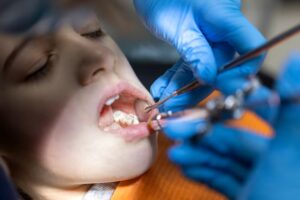
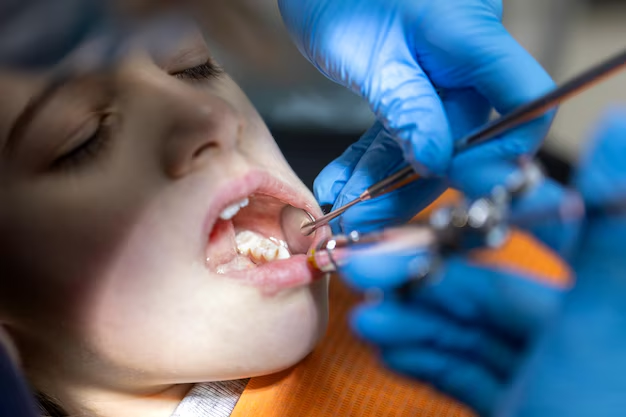
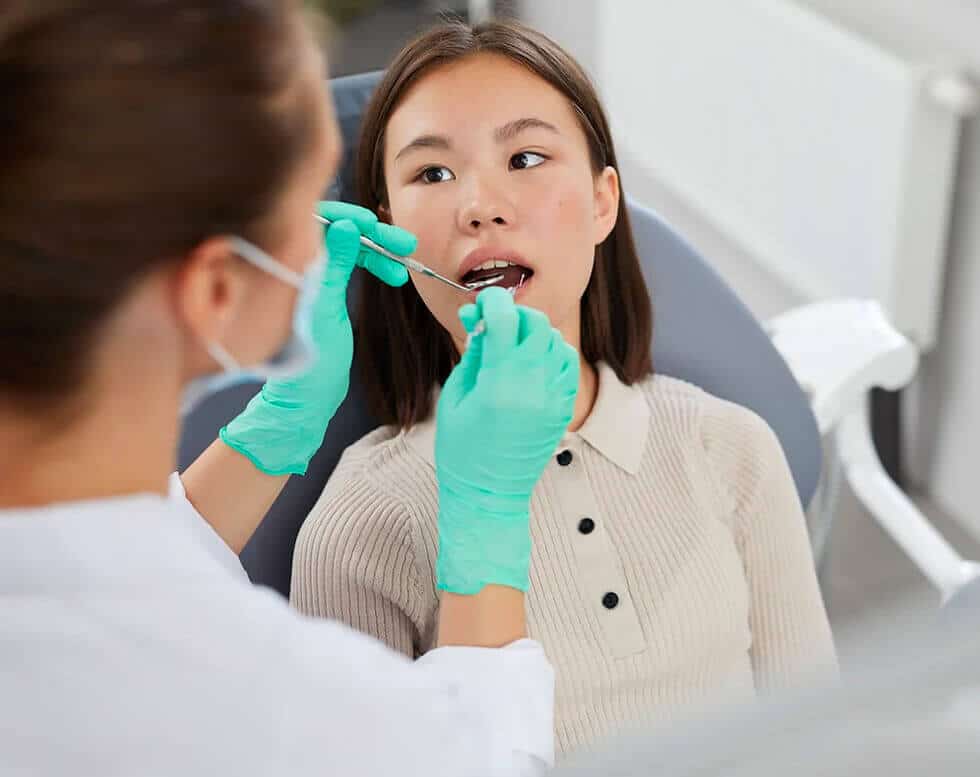
Professional teeth cleaning is a preventive dental procedure that involves removing plaque and tartar from teeth, assessing gum health, and detecting early signs of dental problems. Unlike at-home brushing and flossing, professional cleaning can reach areas that are difficult to clean and effectively prevent oral health issues before they escalate. It is not just about keeping teeth white; it plays a vital role in maintaining the health of your gums, preventing cavitiesoral, and even protecting your overall health.
Recommended Frequency of Professional Teeth Cleaning
The American Dental Association (ADA) generally recommends that most individuals undergo professional teeth cleaning at least twice a year, or approximately every six months.
This schedule is designed to maintain optimal oral health by allowing dental professionals to monitor the condition of teeth and gums, remove plaque and tartar that cannot be eliminated through regular brushing and flossing, and detect early signs of dental issues.
These routine cleanings help prevent cavities, gum inflammation, and other oral health complications before they become serious. Regular visits also ensure that minor dental problems can be addressed promptly, reducing the need for more extensive treatments in the future.
Beyond maintaining oral hygiene, these cleanings contribute to overall health, as studies have shown a strong connection between oral health and systemic conditions, including heart disease, diabetes, and stroke.
I always tell my patients that regular teeth cleanings are more than just a bright smile. Visiting your dentist every six months helps prevent problems before they start and keeps your gums and overall health in check. — Dr. Pooja Soni, DDS
Individual Risk Factors
- While a biannual cleaning schedule is appropriate for many patients, individual circumstances may necessitate more frequent dental visits. Patients with existing gum disease, for example, are at a higher risk of rapid plaque and tartar buildup. For them, dental professionals often recommend cleanings every three months to manage inflammation, prevent progression of the disease, and maintain gum integrity.
- Smokers also face an increased risk of periodontal disease and tooth staining, making more frequent cleanings essential to prevent serious oral health issues. Pregnant women are another group that may benefit from shorter intervals between cleanings, as hormonal changes during pregnancy can increase the risk of gum inflammation and bleeding.
- Similarly, patients with chronic conditions such as diabetes or heart disease may require more frequent cleanings due to the link between oral health and systemic health. Age plays a critical role as well; adults over 40 may experience changes in gum tissue and bone density that necessitate more frequent monitoring to prevent deterioration of oral health.
Importance of Personalized Recommendations
- Personalized dental care is key to ensuring that every patient receives the most effective treatment for their unique needs. Dentists consider several factors when determining the ideal cleaning frequency. Oral hygiene habits at home, such as brushing technique, flossing consistency, and use of mouthwash, are evaluated to understand how well the patient maintains their teeth and gums between visits.
- Lifestyle choices, including diet, smoking, and alcohol consumption, also influence the frequency of professional cleanings. Additionally, a patient’s medical history, including chronic illnesses and medications, is reviewed to identify potential risk factors that could affect oral health.
- Patients who maintain excellent oral hygiene and have minimal risk factors may be able to extend the interval between cleanings beyond six months without compromising their oral health. Conversely, individuals with poor oral hygiene, higher susceptibility to gum disease, or a history of frequent cavities should adhere to the six-month schedule or consider more frequent appointments as advised by their dentist.
- Personalized recommendations ensure that patients receive the right level of care, preventing plaque accumulation and associated dental problems while avoiding unnecessary procedures. Ultimately, tailoring the frequency of professional teeth cleanings based on individual risk factors allows for proactive prevention, early intervention, and the maintenance of a healthy smile throughout life.
Every smile is unique, and so is how we care for it. I tailor my cleaning schedules and treatments to match your habits, health, and lifestyle to keep you comfortable and confident. — Dr. Chinwendu Uzosike
Benefits of Regular Teeth Cleaning
Professional cleanings offer numerous benefits, extending beyond a bright smile. They prevent dental issues, detect problems early, improve overall health, and can even save costs in the long run.
Prevention of Dental Issues: Regular teeth cleaning effectively removes plaque and tartar, reducing the risk of cavities and gum disease. Maintaining a clean oral environment lowers the chance of tooth decay and infections.
Early Detection of Problems: Routine visits allow dentists to identify potential issues such as cavities, gum disease, or oral cancer early. Early detection ensures timely treatment, preventing more complex problems later.
Enhanced Overall Health: Studies link regular cleanings to improved overall health. Healthy gums reduce the risk of systemic issues such as heart disease, diabetes, and stroke by preventing harmful bacteria from entering the bloodstream.
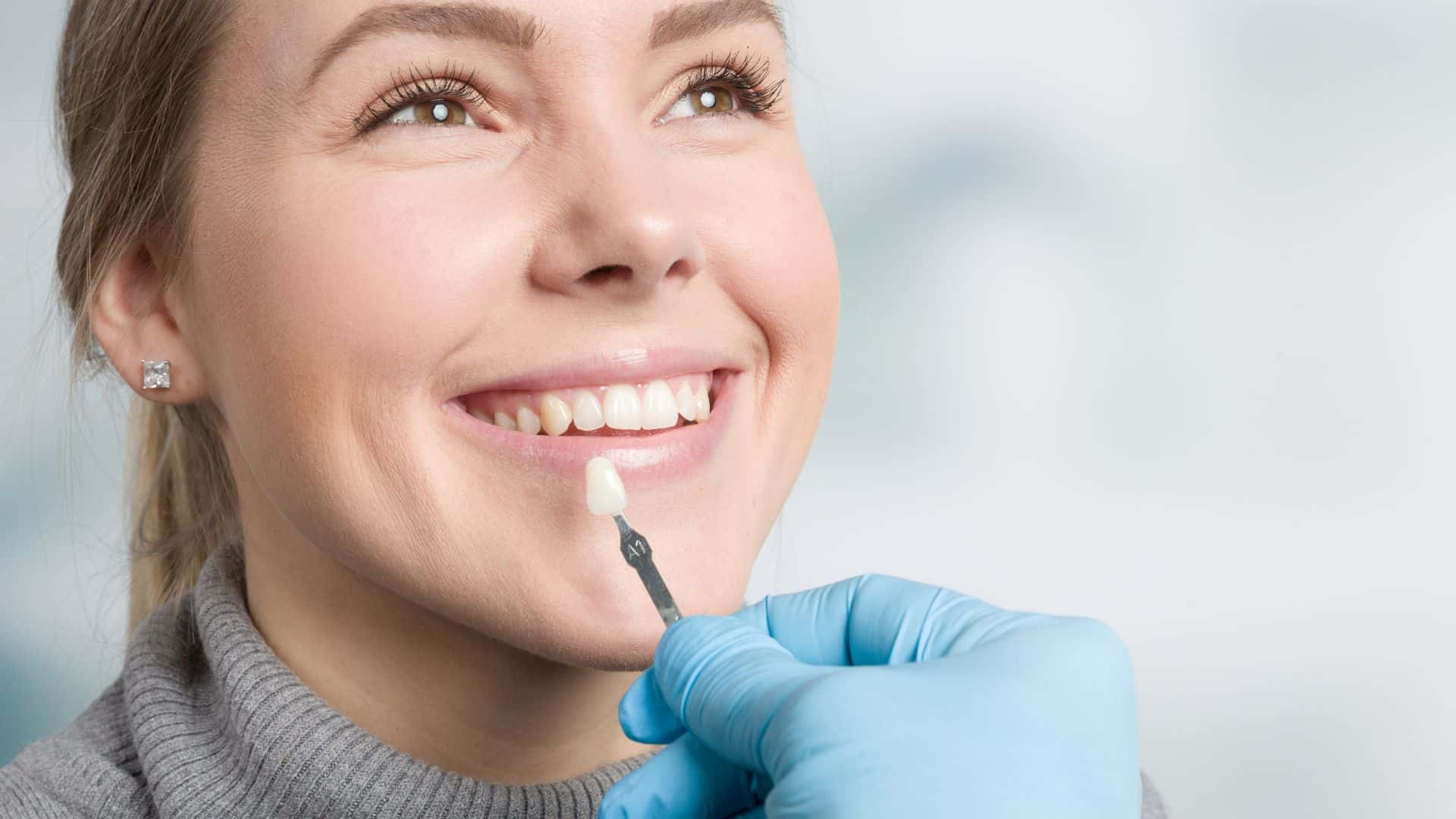
A Brighter Smile and Improved Confidence: Professional cleanings remove surface stains, leaving teeth brighter and enhancing confidence. A healthy, clean smile contributes to self-esteem and positive social interactions.
Cost Savings: Preventive care helps avoid costly treatments for severe dental problems. Regular cleanings protect oral health and save money over time.
Tailored Care Based on Individual Needs: Dental professionals assess each patient’s unique oral health profile to determine cleaning frequency. Factors like diet, lifestyle, and medical history influence how often patients should visit, ensuring effective care.
Risks of Infrequent Teeth Cleanings
Neglecting regular dental visits can lead to serious oral and systemic health issues.
Oral Health Complications: Plaque and tartar accumulation can cause cavities and gum disease. Nearly 47.2% of adults over thirty experience periodontal disease, which can progress if left untreated.
Systemic Health Issues: Poor oral hygiene is linked to heart disease, diabetes, and stroke. Chronic gum inflammation allows bacteria to enter the bloodstream, affecting overall health.
Aesthetic Concerns: Infrequent cleanings can result in yellow or brown buildup, affecting the appearance of teeth and diminishing confidence.
Early Detection of Problems: Missing routine cleanings increases the risk of undetected dental issues. Timely identification of cavities, gum disease, or oral cancer is critical for effective treatment and lower long-term costs.
Signs You May Be Overdue for a Cleaning
- Gums that bleed during brushing or flossing
- Persistent bad breath
- Yellow or brown buildup near the gumline
- Tooth sensitivity
- Swollen or receding gums.
Even subtle symptoms can indicate early gum disease, which is most effectively treated when caught early.
Techniques Used During Professional Teeth Cleanings
Assessment: A dental professional examines the mouth for signs of decay, gum disease, and other oral health issues.
Scaling: Plaque and tartar are removed using hand instruments or ultrasonic scalers, which utilize high-frequency vibrations and water jets. This process ensures thorough cleaning above and below the gumline.
Polishing: After scaling, a gritty toothpaste-like substance is applied with a rotating brush to smooth the teeth and remove surface stains. This step leaves teeth looking brighter and cleaner.
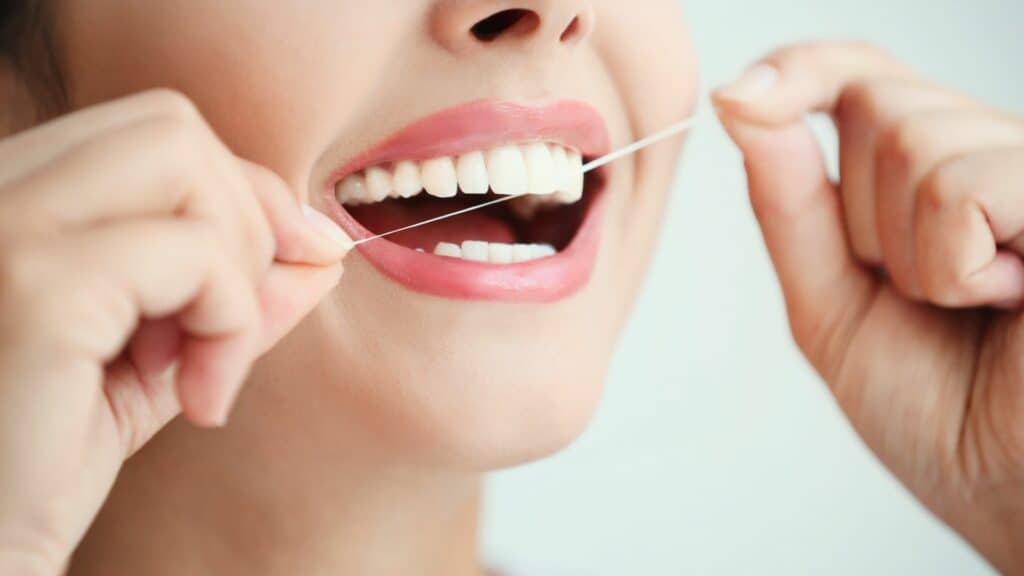
Flossing: Professional flossing removes any remaining debris between teeth, ensuring all plaque is eliminated from hard-to-reach areas.
Fluoride Treatment: A fluoride application strengthens tooth enamel and reduces the risk of cavities, providing added protection after cleaning.
Innovations in Techniques
Modern dental hygiene has introduced ultrasonic cleaning and laser-assisted deep cleaning, enhancing effectiveness and patient comfort. These advancements allow dentists to provide thorough cleanings while minimizing discomfort and improving results.
Why Choose Toothfully Yours?
Toothfully Yours prioritizes personalized dental care and patient comfort. Our experienced team combines advanced cleaning techniques with careful assessment to ensure optimal oral health. We understand that every patient has unique needs, and we tailor our recommendations based on your oral health, lifestyle, and risk factors.
Our goal is not only to maintain a healthy smile but also to support your overall well-being. By choosing Toothfully Yours, you gain access to professional care, modern dental technology, and a team dedicated to helping you achieve lasting oral health.
Frequently Asked Questions
How often should I get my teeth professionally cleaned?
Most individuals should visit the dentist every six months. Those with gum disease, chronic conditions, or higher risk factors may require cleanings every three months.
Can regular cleanings prevent gum disease?
Yes, professional cleanings remove plaque and tartar that contribute to gum disease, significantly lowering the risk of developing it.
Are professional cleanings painful?
Cleanings are generally not painful. Scaling may cause mild discomfort, but ultrasonic and modern techniques ensure a comfortable experience.
Does age affect cleaning frequency?
Older adults may need more frequent visits due to changes in gum health and higher susceptibility to oral conditions.
What are the benefits beyond oral health?
Regular dental cleanings reduce risks of systemic issues like heart disease and diabetes, improve the appearance of teeth, boost confidence, and save on long-term dental costs.