



A beautiful smile can change how a person feels about themselves. It boosts confidence, creates a positive first impression, and often improves overall well-being. Cosmetic dentistry plays a big role in helping people achieve the smile they have always wanted. Among the most popular treatment options today is a smile makeover. This is not just about fixing one tooth or whitening your smile. It is a carefully planned process that enhances the look and function of your teeth to give you a confident, natural-looking smile.
According to the American Academy of Cosmetic Dentistry, nearly half of adults believe that a smile is the most memorable feature when meeting someone for the first time. A smile makeover goes beyond surface-level beauty. It can improve oral health, correct bite issues, and restore worn or damaged teeth. This makes it a life-changing decision for many people.
Key Takeaways
- A smile makeover is a customized cosmetic treatment plan designed to enhance both appearance and function.
- It may include veneers, crowns, implants, orthodontics, or teeth whitening depending on each patient’s goals.
- The process involves consultation, planning, active treatment, and post-care maintenance.
- Setting realistic expectations is essential for long-lasting and satisfying results.
- A professional cosmetic dentist ensures that your smile is not only beautiful but also healthy.
What Is a Smile Makeover

A smile makeover is a combination of cosmetic dental procedures designed to transform the appearance of your smile. Unlike a single treatment, a makeover is customized to each person’s needs. It can correct a variety of issues such as discoloration, chips, gaps, misalignment, and missing teeth. The makeover is carefully planned by your dentist after a thorough examination and consultation. The treatments involved can be both aesthetic and functional, ensuring your teeth not only look great but also feel strong and healthy. For many people, this process becomes more than just a dental procedure. It is a boost to their confidence and how they present themselves to the world.
Types of Cosmetic Treatments
Cosmetic dentistry offers a wide range of treatment options that can be part of a smile makeover. Each has its own unique benefits and considerations, and the right combination depends on your dental health, goals, and personal preferences.
Dental Crowns
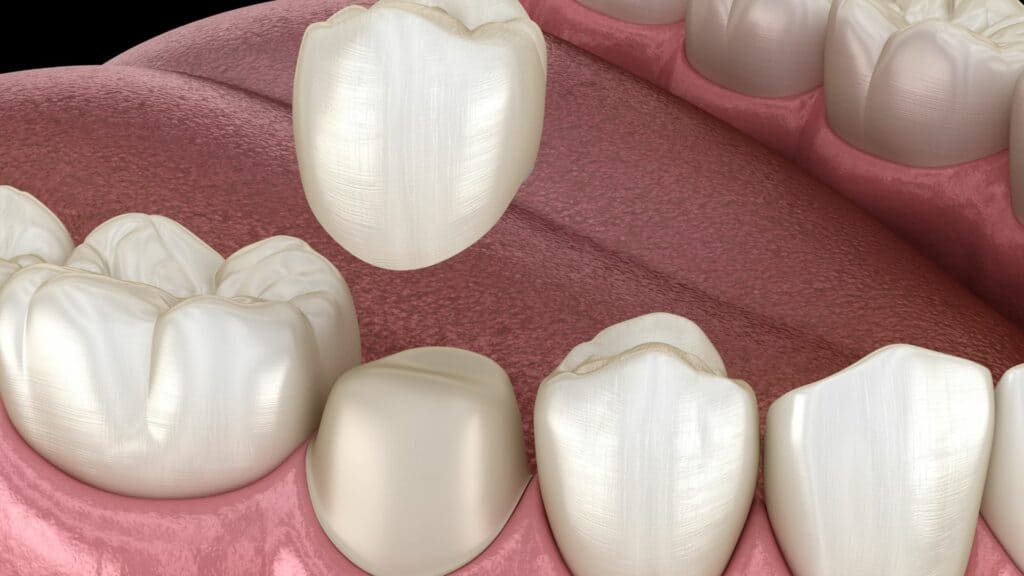
Dental crowns are also called caps because they cover and protect the entire surface of a tooth. They are an excellent option for teeth that are cracked, decayed, or misshapen. Crowns restore strength and improve appearance at the same time. Unlike veneers, which mainly address cosmetic concerns, crowns offer strong structural support. This makes them ideal for patients who need both functional and aesthetic improvement.
Dental Veneers
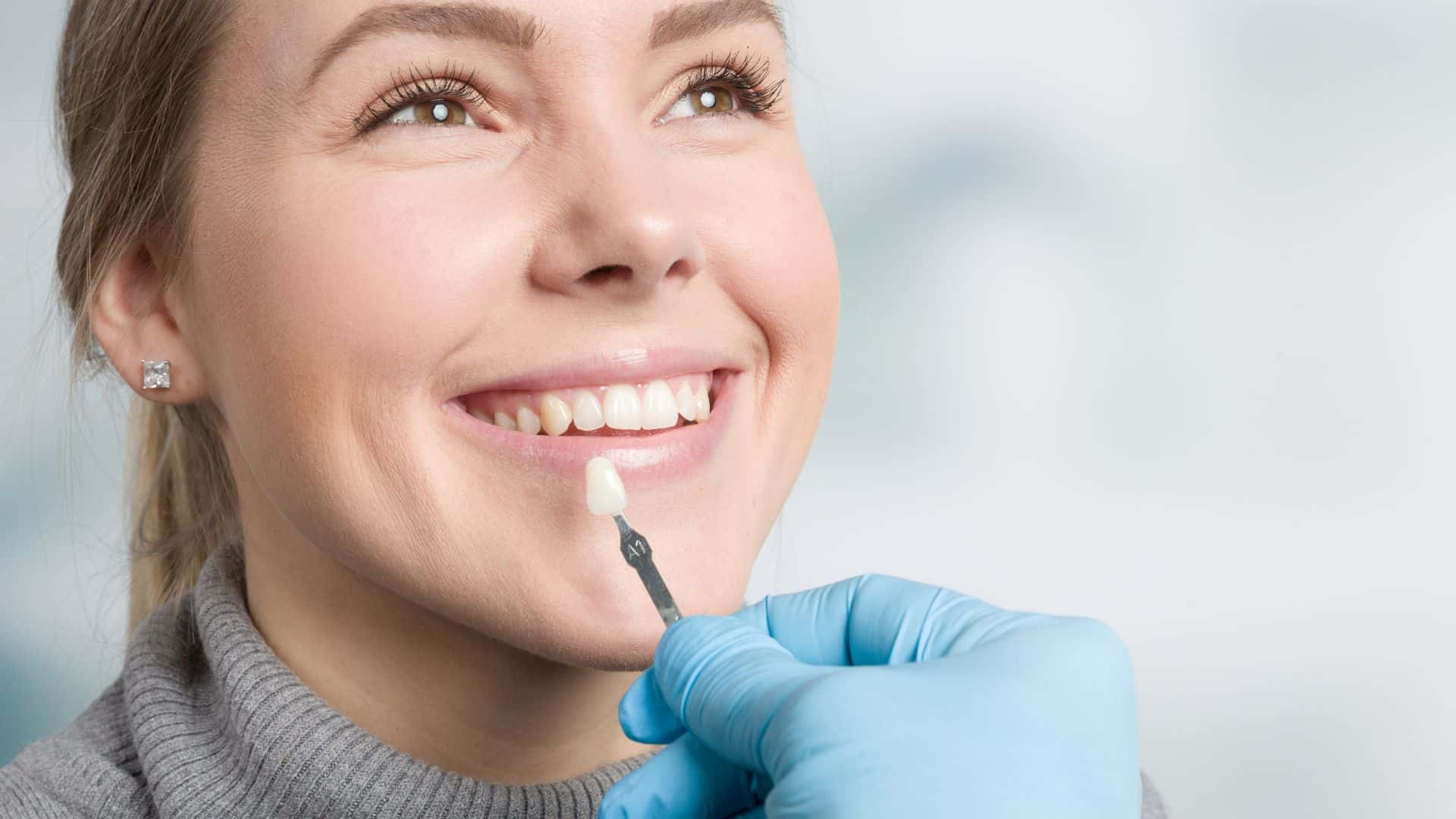
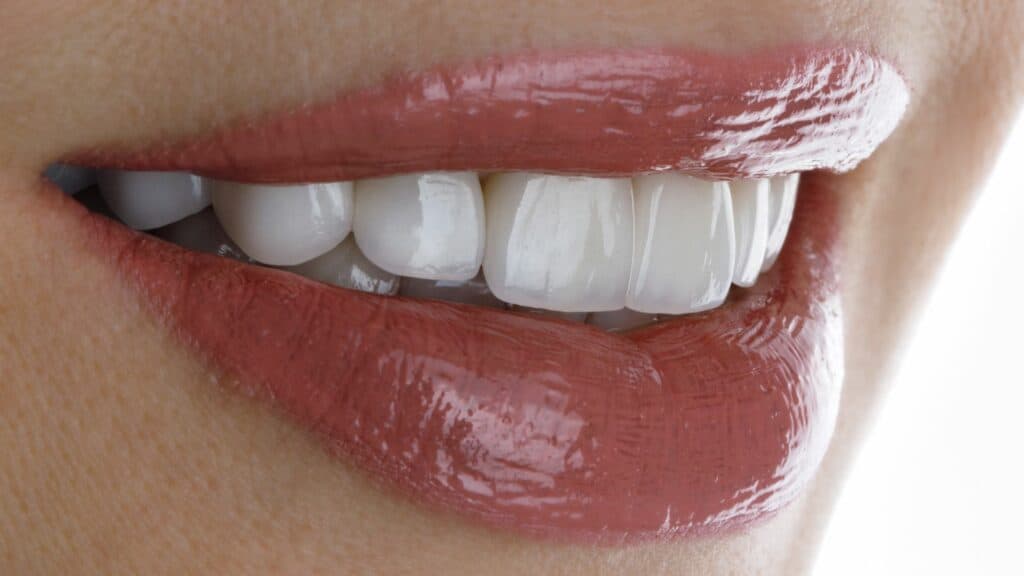
Veneers are thin shells made from porcelain or composite resin. They are applied to the front surface of teeth to hide discoloration, chips, gaps, and mild misalignments. Veneers are custom-made to match the color and shape of your natural teeth, creating a seamless look. The procedure usually involves two visits: one for preparation and another for placement. Veneers are known for their natural appearance and their ability to instantly transform a smile.
Teeth Whitening
Teeth whitening remains one of the most popular cosmetic treatments. Over time, teeth can become stained due to coffee, tea, tobacco, or aging. Whitening treatments brighten your teeth and give your smile a refreshed, healthy glow. In-office whitening uses professional-grade products that deliver noticeable results in a single session. At-home whitening kits can also be part of the plan for ongoing maintenance.
Dental Implants
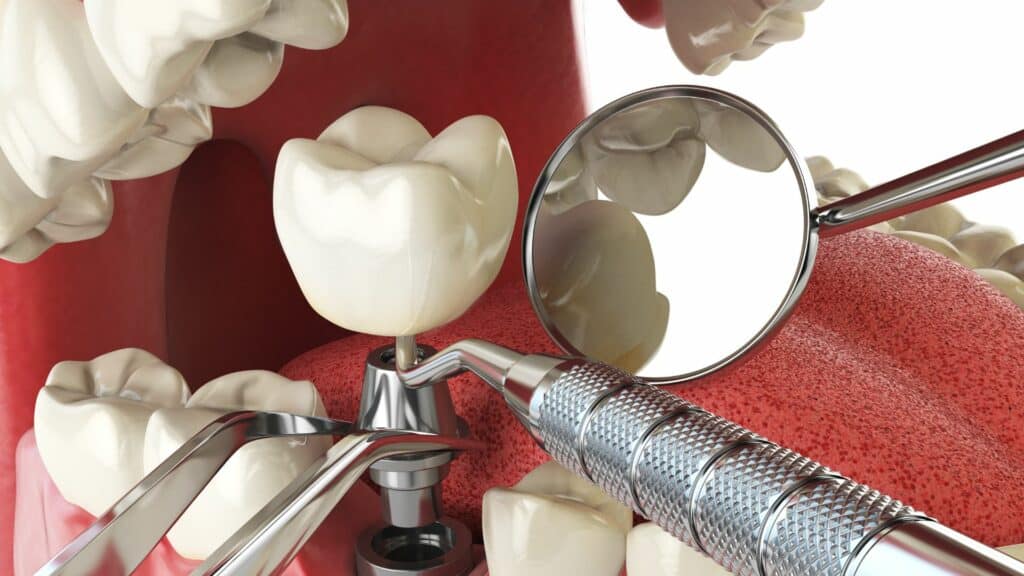
For patients with missing teeth, dental implants are a long-term and highly effective solution. An implant involves placing a titanium post into the jawbone, which acts like the root of a natural tooth. A crown is then placed on top, completing the look. Implants not only restore the appearance of the smile but also help maintain bone health and proper bite function. They are one of the most natural-feeling options available.
Orthodontic Treatments
Orthodontic procedures, including traditional braces and clear aligners like Invisalign, help correct misaligned or crowded teeth. Straight teeth are not only more aesthetically pleasing but also easier to clean and maintain. Correcting bite issues can improve chewing, speech, and overall oral health.
Dental Bonding
Dental bonding is a quick and minimally invasive procedure that uses tooth-colored resin to repair small chips, cracks, or gaps. It can often be completed in a single appointment. Bonding blends with the natural tooth structure and provides an instant improvement for minor imperfections.
“Every smile is unique, and so is every treatment plan. I love helping patients choose the cosmetic options that truly fit their needs and bring out their best smile.” — Dr. Pooja Soni, DDS
The Smile Makeover Process
A smile makeover involves several carefully planned stages to make sure the final result looks beautiful and lasts for years. Each stage builds on the previous one, starting with understanding your goals, creating a personalized treatment plan, and preparing your teeth for the procedures. From whitening and aligning to restoring and reshaping, every step plays a key role in achieving a balanced, healthy, and natural-looking smile. This structured approach allows your dentist to focus on both appearance and function. Plus, it ensures a result that is not just stunning but also strong and long-lasting.
1. Initial Consultation
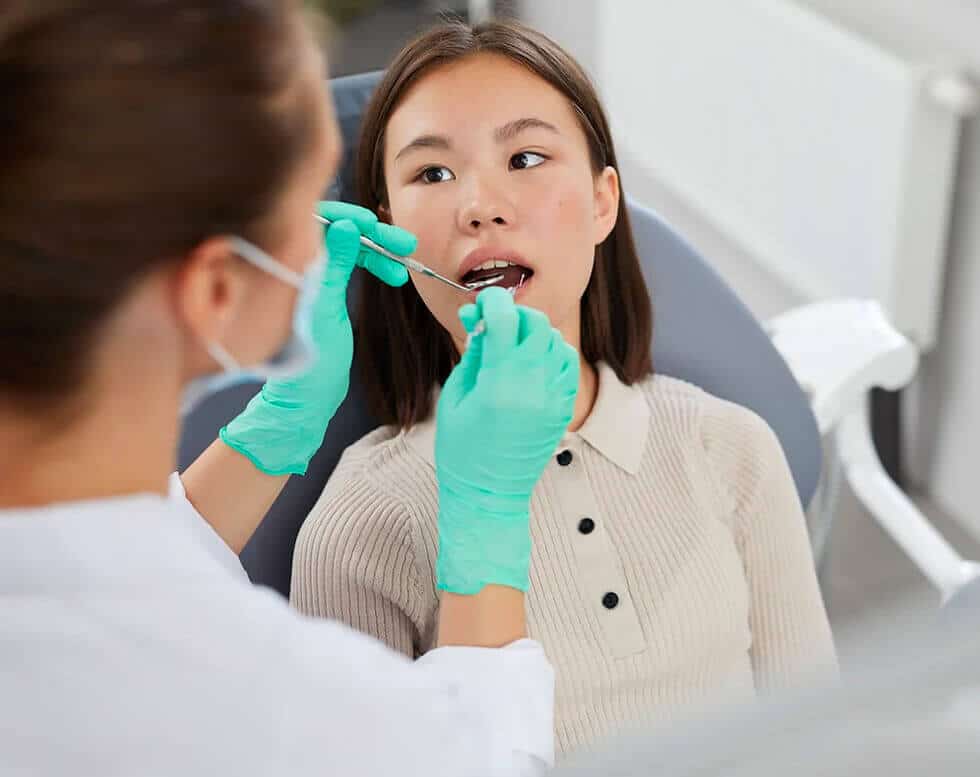
The first step is a comprehensive consultation with your cosmetic dentist. During this visit, your oral health is carefully evaluated. The dentist examines your teeth, gums, and bite and may take digital X-rays to detect any underlying issues. This is also the time to openly discuss your goals and concerns. A clear conversation ensures the treatment plan aligns with what you truly want from your smile makeover.
2. Diagnosis and Treatment Planning
Once your goals are defined, your dentist will create a personalized treatment plan. This plan outlines the recommended procedures, the order in which they will be performed, and the estimated timeline. For example, some patients may start with teeth whitening to brighten their smile before placing veneers or crowns. Others may need orthodontic treatment first to align their teeth.
A structured plan also helps manage expectations, especially for procedures that require multiple visits or healing time.
3. Pre-Treatment Preparations
Before starting cosmetic procedures, your oral health must be in good condition. This may involve deep cleaning, treating gum disease, or addressing any cavities. Creating a healthy foundation ensures the cosmetic treatments last longer and prevents complications. This stage is especially important for procedures like veneers, crowns, and implants.
4. Active Treatment Phase
This is where your smile makeover truly takes shape. Once your treatment plan is finalized, your dentist begins the selected procedures. The length of this phase depends on the number of treatments and their complexity.
- Teeth Whitening:
This often comes first to create a brighter base for other procedures. It removes deep stains and enhances the overall appearance of your smile. - Veneers:
Thin porcelain or composite shells are placed on the front of your teeth to fix chips, gaps, discoloration, or uneven shapes. Veneers create a smooth, balanced, and natural-looking smile. - Crowns:
Crowns restore strength and beauty to teeth that are cracked, decayed, or worn down. They cover the entire tooth, blending seamlessly with surrounding teeth. - Implants:
For missing teeth, implants provide a durable and natural solution. A titanium post is placed into the jawbone, followed by a crown for a complete and functional smile. - Orthodontics:
Braces or clear aligners are used to straighten misaligned teeth and correct bite issues. This not only improves aesthetics but also makes oral care easier.
The duration of this phase can range from a few weeks to several months, depending on the number of procedures and their complexity.
5. Expectations and Outcomes
Every patient’s smile makeover journey is unique. It is important to set realistic expectations about results and timelines. Some procedures, like whitening or bonding, show immediate results. Others, like orthodontics or implants, require time and patience. Open communication with your dentist throughout the process ensures that you understand what to expect and feel confident about your treatment journey. The final result is a smile that looks natural and healthy and suits your face.
Emotional and Personal Aspects
Undergoing a smile makeover is not just a physical transformation. It can also bring emotional changes. Some patients may feel nervous before treatment or concerned about the process. It is natural to feel this way. A good dental team will provide guidance and support at every stage. The joy of seeing the final results often outweighs the initial fears, leaving patients with a renewed sense of confidence.
Aftercare and Maintenance
A smile makeover is a long-term investment in your appearance and oral health. Proper aftercare is essential to maintain the results. Your dentist will give you specific instructions depending on the procedures performed.
Here are some common aftercare tips:
- Brush at least twice daily with a soft-bristle toothbrush.
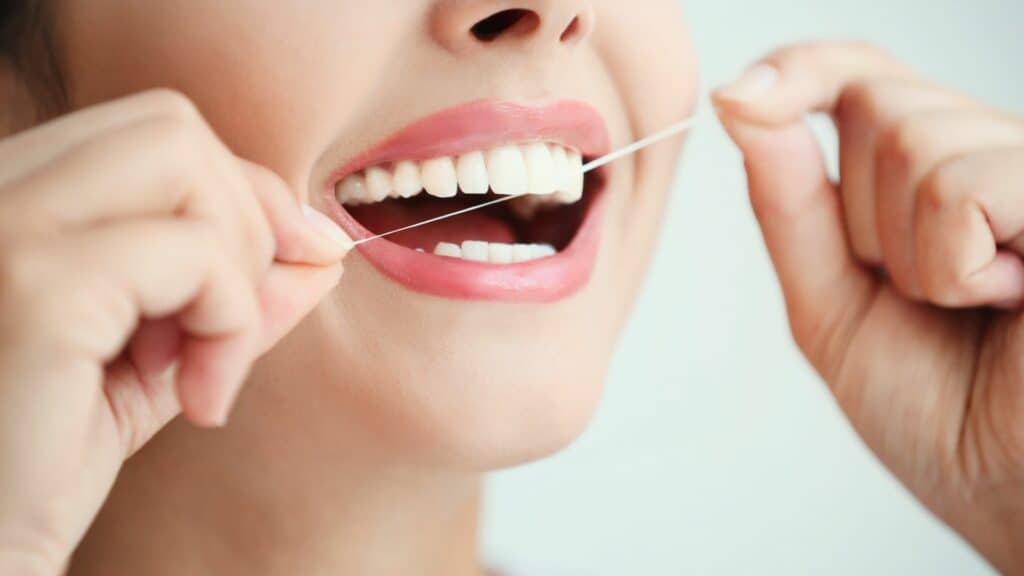
- Floss daily to maintain gum health and prevent plaque buildup.
- Schedule regular dental checkups and cleanings.
- Avoid staining foods and drinks, or use a straw to minimize contact.
- Wear a night guard if recommended, especially after orthodontic treatments.
Following these steps helps keep your smile bright and healthy for years.
Why Choose Toothfully Yours
Toothfully Yours believes every patient deserves a smile that reflects their confidence and personality. Our team focuses on a personalized approach that combines advanced technology with gentle, expert care. We take the time to understand your goals and create a treatment plan customized to your unique needs. From whitening and veneers to implants and orthodontics, we aim to make every step of your smile makeover comfortable and rewarding. Our goal is not just to enhance your smile but to give you a reason to smile more often. You should book a free consultation with Toothfully Yours to feel really confident all by yourself.
The Bottom Line
A smile makeover is more than just enhancing the appearance of your teeth. It is about improving your confidence, strengthening your oral health, and creating a smile that truly reflects who you are. From the initial consultation to the final appointment, every step of the process is carefully planned to deliver the best possible results. By understanding what to expect, setting clear goals, and choosing the right dental team, you set the foundation for a transformation that lasts for years. Your smile is one of your greatest strengths, and investing in it can genuinely change how you feel about yourself every single day.
Frequently Asked Questions
1. What is included in a smile makeover?
A smile makeover can include treatments like teeth whitening, veneers, crowns, implants, orthodontics, and bonding. The plan is customized to meet your specific goals and dental health needs.
2. How long does a smile makeover take?
The timeline depends on the number and type of procedures. Some makeovers can be completed in a few weeks, while others, especially those involving orthodontics or implants, may take several months.
3. Is a smile makeover painful?
Most cosmetic procedures are minimally invasive. Your dentist will ensure your comfort with anesthesia or sedation options if needed. Mild discomfort may occur, but it is usually temporary.
4. How long do the results of a smile makeover last?
With proper care, veneers, crowns, implants, and other cosmetic treatments can last many years. Regular dental checkups and good oral hygiene are key to maintaining the results.
5. Can anyone get a smile makeover?
Most patients are good candidates, but your dentist will first assess your oral health. Any existing issues like gum disease or decay must be treated before cosmetic procedures begin.