



A dental cleaning is one of the most routine appointments you will ever attend, and it is also one of the most useful. Professional cleanings help prevent decay and gum disease, and they give your dentist a clear look at your teeth and gums before a small problem turns into a painful or costly one.
If you live in Owings Mills and it has been a while since your last visit, you may be wondering what actually happens once you sit in the chair. A cleaning is part examination, part thorough cleaning, and part coaching on how to care for your teeth at home. Here is a step by step look at what to expect, along with answers to the questions patients ask most often.
Why Professional Cleanings Anchor Preventive Care
Brushing twice a day and flossing daily are the foundation of a healthy mouth, but they are not a complete plan on their own. Plaque that is left undisturbed can harden onto the teeth, and once that happens a toothbrush cannot remove it. A professional cleaning uses dental instruments designed for exactly that job, reaching areas that are difficult to keep clean at home, including along the gumline and between the teeth.
Preventive dentistry also includes an exam during the same visit, which is where the real long term value shows up. Cleanings and exams are typically scheduled together because the cleaning removes what has built up while the exam identifies what may need attention next. Toothfully Yours provides personalized dental care with modern technology, offering preventive, cosmetic, and emergency treatments for healthy smiles, so a routine cleaning visit is also a chance to ask about anything that has been bothering you.
Before the Cleaning Begins
Your appointment usually starts with a short conversation rather than an instrument. Your dental team will update your health history, review any medications or medical conditions that could affect your care, and ask whether anything has changed since your last visit. This matters because conditions such as diabetes, pregnancy, or a recent illness can influence how your gums respond and what your dentist recommends.
This is also the moment to speak up about anything you have noticed, such as sensitivity to cold drinks, bleeding when you brush, a rough edge on a tooth, or jaw discomfort. Small details help your dentist focus the exam on the right areas. If you are a new patient, expect a few extra minutes for paperwork and for your dental team to get to know your history and your goals for your smile.
Step by Step Through a Professional Cleaning
Every mouth is different, so the exact sequence can vary, but most cleanings follow a similar path. Your dentist or hygienist will move through the steps below and pause to explain anything unusual along the way.
The Physical Exam
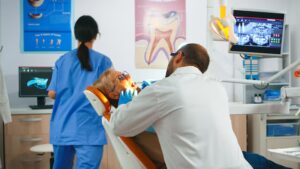
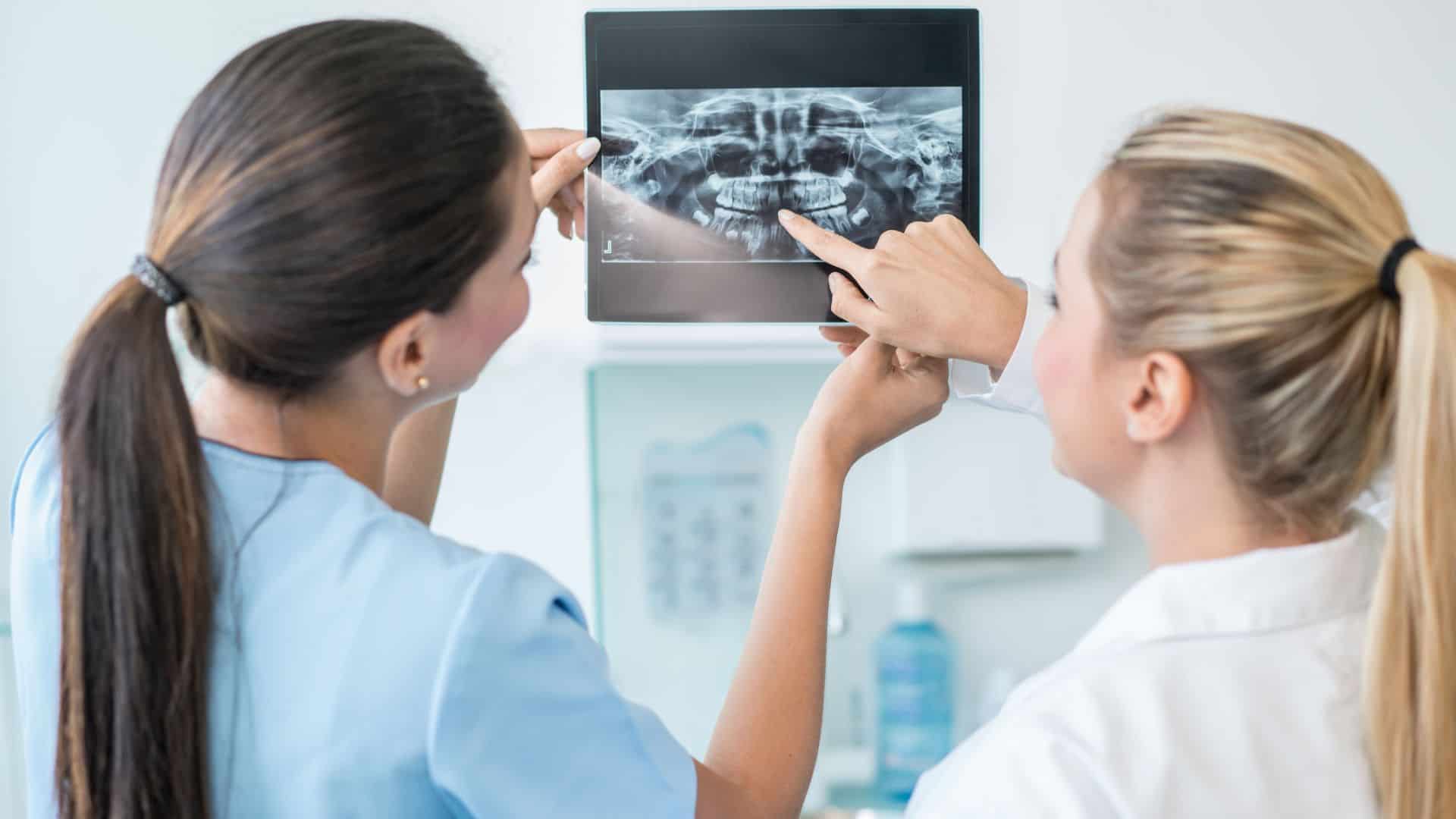
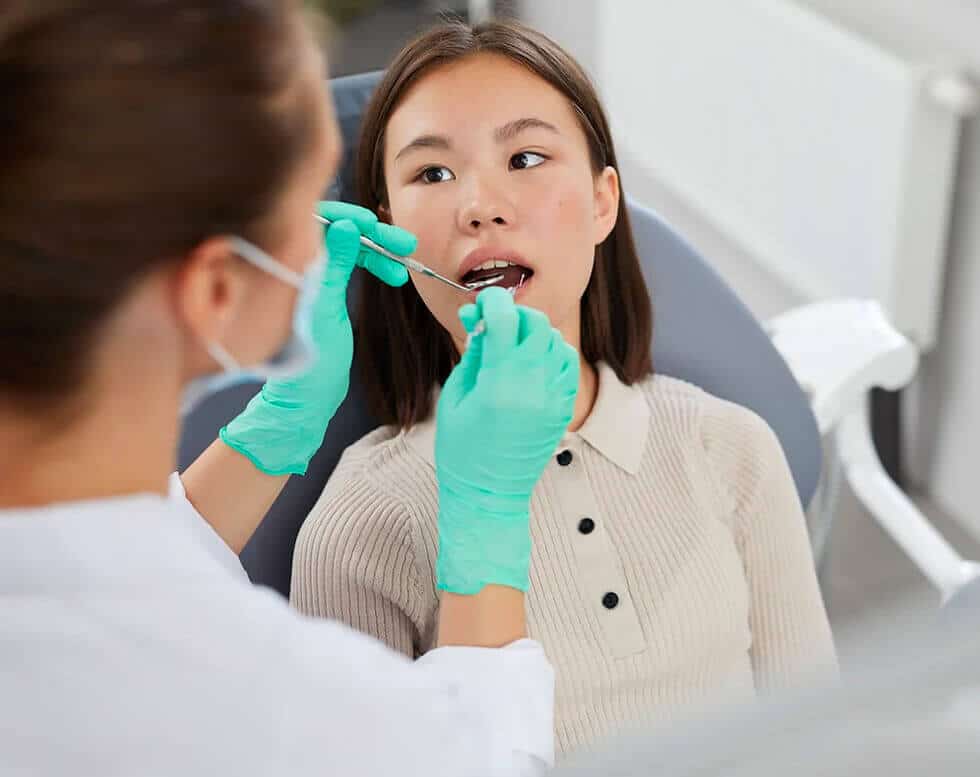
The visit typically opens with a visual and hands on exam. Using a small mirror, your dentist checks the surfaces of your teeth and the condition of your gums. This is the point where problems that are not yet causing symptoms are most likely to be spotted, which is one reason regular appointments are recommended rather than waiting until something hurts.
Removing Plaque and Tartar
Next comes the cleaning itself. Plaque, the soft film that forms constantly on teeth, is removed along with any tartar that has hardened in place. Your dentist or hygienist uses specialized instruments to work carefully around the gumline and between teeth, which are the spots where buildup tends to gather. If you have not had a cleaning in a while, this step may take longer and may feel more noticeable.
Polishing the Teeth
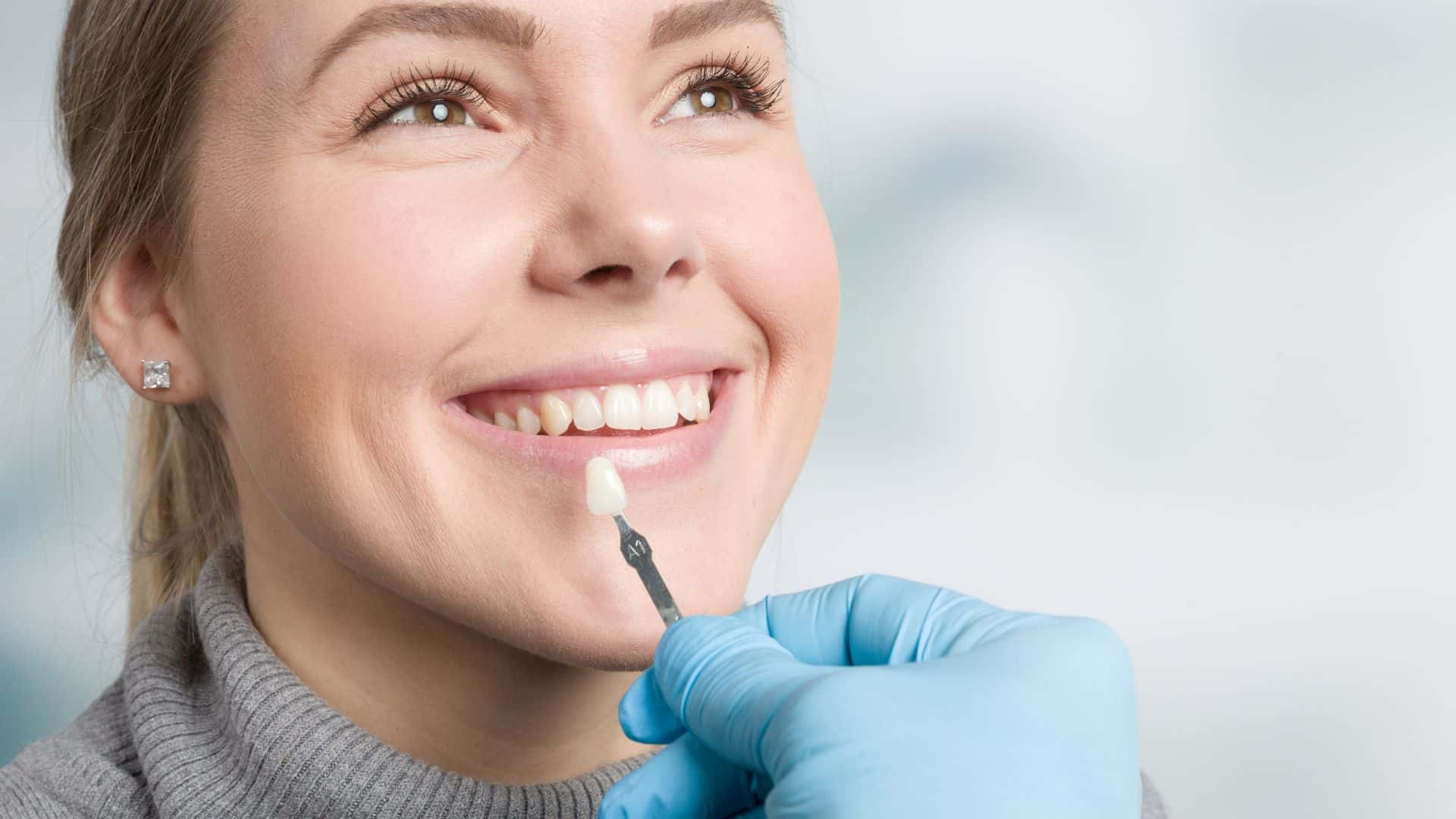
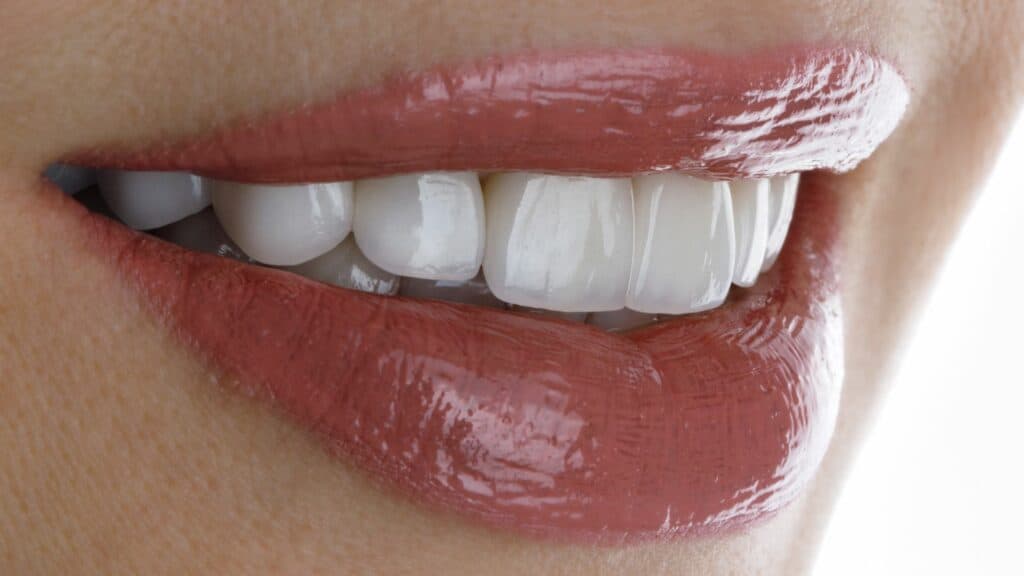
After the buildup is gone, the teeth are polished with a slightly gritty paste applied with a small rotating tool. Polishing smooths the tooth surfaces and removes surface stains left by coffee, tea, or other everyday habits. The difference is usually obvious the moment you run your tongue across your teeth, and it is one of the reasons patients say their mouth feels completely different after a cleaning.
Flossing and Rinsing
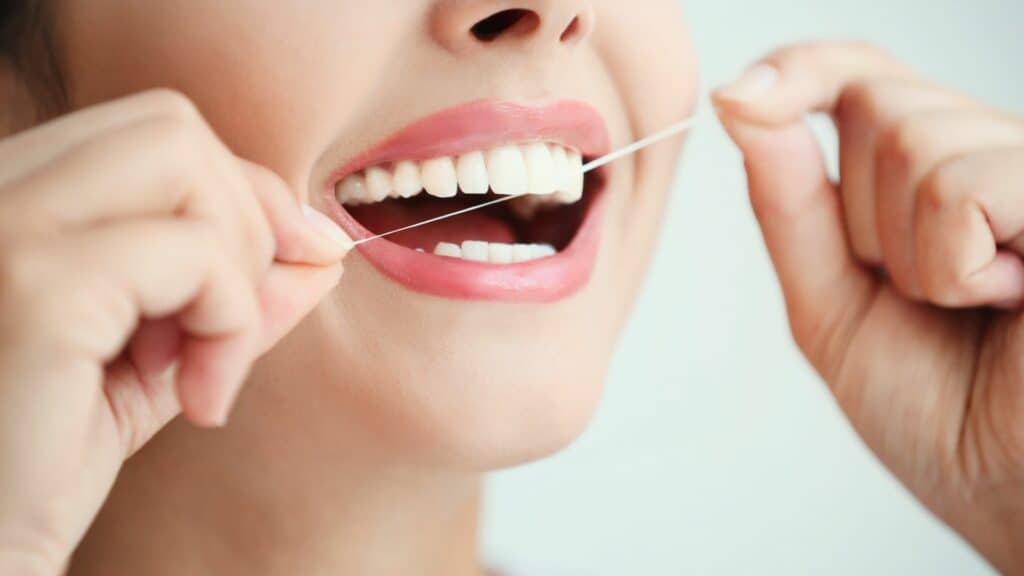
Your dental team then flosses carefully between each tooth to clear away anything loosened during scaling and polishing. A rinse follows to wash away debris and paste. Pay attention to how this step feels. If flossing at home regularly causes bleeding, that is a sign worth mentioning, since it often points to gum inflammation that a consistent routine can improve.
Fluoride and Home Care Guidance
Depending on your needs and your dentist’s recommendation, a fluoride treatment may be applied at the end of the visit. Before you leave, you will usually get a few practical pointers about brushing technique, flossing, or areas that need extra attention. This coaching is tailored to your mouth, which makes it far more useful than general advice you might read online.
What Your Dentist Is Checking During the Exam
A cleaning visit is not only about removing buildup. During your dental exam, your dentist looks for a range of issues, many of which develop quietly and cause no pain at first. Checking for these items at every appointment is what makes routine care preventive rather than reactive.
- Decay on the teeth
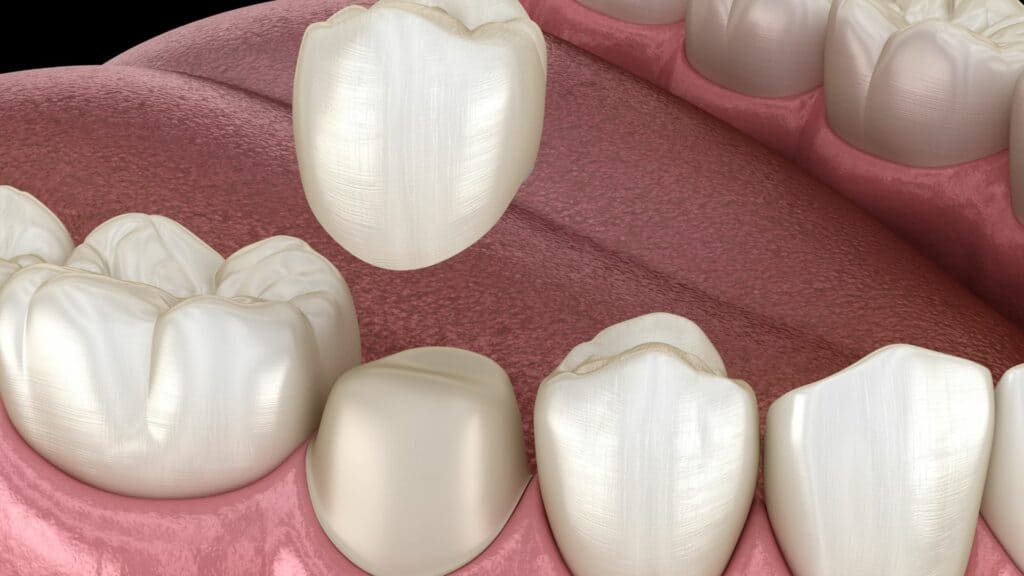
- Loose fillings or crowns
- Poorly fitting dentures
- Oral cancer
- Gum disease
- Signs that you grind your teeth
When these conditions are caught early, treatment tends to be simpler and less invasive. A small area of decay may need a straightforward filling, for example, while the same decay left alone can spread deeper into the tooth. In the same way, early gum inflammation is far easier to manage than advanced gum disease.
How Often Should You Have a Dental Cleaning in Owings Mills?
The American Dental Association recommends a dental check-up every six months. That schedule gives your dentist the chance to catch decay, gingivitis, or another problem while it is small and easily treated. For many patients, two visits a year is enough to keep things on track.
Some patients need to come in more often. If you already have dental issues, or if you are at risk for decay or gum disease, your dentist may suggest a shorter interval between cleanings. Risk factors can include gum disease in your history, certain medical conditions, smoking, and difficulty keeping specific areas clean. Your dentist will recommend a schedule based on what is happening in your mouth rather than a one size fits all rule.

Cleanings for Children and Families
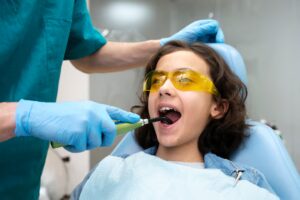
Cleanings are not just for adults. Children benefit from the same preventive approach, and early visits help them get comfortable with the dental office before any treatment is needed. Toothfully Yours offers pediatric dentistry alongside general, cosmetic, and emergency care, which means families in Owings Mills can often schedule appointments for multiple members around the same time.
For kids, the cleaning looks similar to an adult visit, just scaled to their teeth and their attention span. The most valuable part is often the coaching. Learning to brush properly and to floss early on builds habits that carry into adulthood, and a child who has never had a scary dental experience tends to keep up with appointments later in life.
If It Has Been a Long Time Since Your Last Cleaning
Many patients put off scheduling because they are embarrassed about how long it has been, or because they expect the appointment to be uncomfortable. In practice, dental teams see this all the time, and the focus is on where you are now rather than where you were. Being honest about your last visit and about any sensitivity helps your dentist adjust the appointment to keep you comfortable.
If you have significant buildup or gum inflammation, your dentist may recommend a different type of cleaning or a follow-up visit to address it in stages. Either way, you will leave with a clear explanation of what is happening in your mouth and what the next step should be. The goal is a plan you can actually follow, not a lecture.
Scheduling a Dental Cleaning in Owings Mills
A professional cleaning takes a task you cannot fully do at home and hands it to someone with the right tools and the right training, then adds an exam on top. That combination is why two visits a year can save you from much bigger dental work down the road. If you are due, or if you are looking for a gentle, modern dental practice near you, Toothfully Yours in Owings Mills welcomes new patients and same day questions. Call today to book your cleaning and get back on a schedule that protects your smile.
Frequently Asked Questions
How long does a dental cleaning take?
Timing depends on several things, including how much buildup is present, the health of your gums, and whether it is your first visit to the practice. A routine cleaning is usually combined with an exam in a single appointment slot. When you call to schedule, the front desk can give you a realistic idea of how long to set aside.
Does a dental cleaning hurt?
For most patients, a routine cleaning is not painful, though scaling around the gumline can feel odd or slightly tender if there is buildup or inflammation. Tell your dental team about sensitivity before the cleaning starts. They can adjust their approach, work in smaller sections, or discuss options that keep you comfortable throughout the appointment.
How often do I need a professional cleaning?
The American Dental Association recommends a check-up every six months. That works well for many people. If you already have dental issues or you are at risk for decay or gum disease, your dentist may suggest coming in more frequently. Your individual schedule should be based on your own gum health, history, and risk factors.
What should I do before a dental cleaning?
Brush and floss as you normally would, since there is no need to change your routine before a cleaning. Bring a list of medications and note any new health conditions or symptoms. Write down questions you want answered so you do not forget them, and arrive a few minutes early if you are a new patient completing paperwork.
Can I get a cleaning if I have not seen a dentist in years?
Yes. Long gaps between visits are common, and dental teams are used to them. Your dentist will assess your teeth and gums, then recommend the right type of cleaning and any follow-up care. Be upfront about your last visit and any discomfort you have noticed so the appointment can be tailored to you.