




A cavity rarely announces itself, and neither does gum disease. Both tend to develop quietly over months or years, which is exactly why preventive dentistry exists. In Owings Mills, MD, preventive care means routine exams, professional cleanings, and protective treatments that catch small issues while they are still small and simple to manage. Toothfully Yours provides personalized dental care with modern technology, offering preventive, cosmetic, and emergency treatments for healthy smiles. The aim is straightforward: fewer surprises, less extensive treatment later, and a smile that stays comfortable for the long haul.
What Preventive Dentistry in Owings Mills, MD Covers
Preventive dentistry is the part of general dentistry that protects your teeth, gums, and jaw bones rather than repairing damage after the fact. These general dentistry treatments help prevent problems with your teeth, gums, and jaw bones, or they catch and manage problems before they worsen. Practices in the area describe prevention as the key to keeping a smile full and healthy through the years, since it is far easier to guard oral health now than to treat damage later.
A preventive visit typically bundles several services into a single appointment:
- Comprehensive dental exams and check-ups
- Professional cleanings that remove plaque and tartar
- Oral cancer screenings
- Nightguards for bruxism, also known as teeth grinding
- Guidance on brushing, flossing, and diet
- Preventive care for children through pediatric dentistry
Many of these services overlap with what families already expect from a routine dental visit. The difference is intent. Each step is designed to spot trouble early and offer protection, not just to clean what is visible on the surface.
Routine Dental Checkups: The Core of Prevention
Check-ups are the appointment most people picture when they think about the dentist, and for good reason. They create a record of your oral health over time, so changes are easier to notice. A dentist who sees you regularly can compare what they observe today with what they saw six months ago and act on subtle shifts before they become uncomfortable.
What Happens During a Checkup
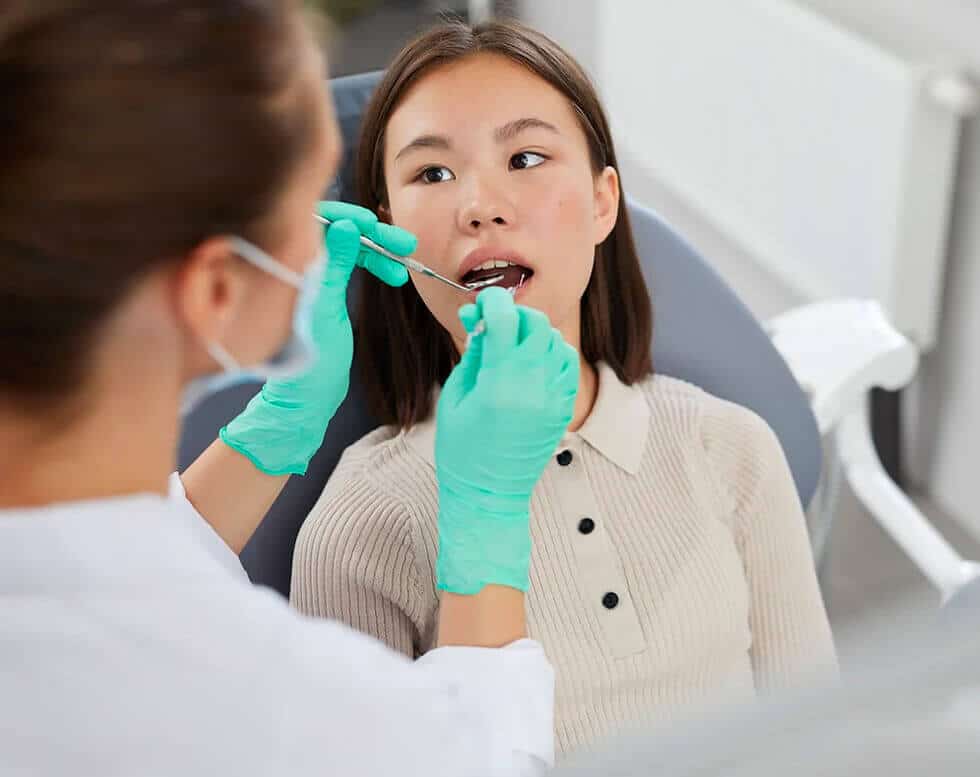
A typical exam includes a review of your health history and any new medications or symptoms, a visual inspection of your teeth, gums, tongue, and soft tissues, and an assessment of your bite and jaw. Imaging may be recommended when the dentist needs a closer look at areas that are hard to see. Afterward, the dentist walks you through the findings and options, so you leave knowing what is healthy and what needs attention.
Why Professional Cleanings Matter
Brushing and flossing at home handle the plaque you can reach. Professional cleanings remove what your toothbrush cannot, including hardened tartar that builds up along the gumline and between teeth. Left in place, that buildup fuels inflammation and gum disease. Cleanings also give your dental team a chance to check the health of your gums directly and flag early signs of trouble while they are still reversible.
Oral Cancer Screening: A Brief Step With Real Value
Oral cancer screening is one of the quietest services in preventive dentistry, largely because it takes only a few minutes. During the screening, the dentist examines the mouth, lips, tongue, throat, and neck for unusual tissue changes, sores, or lumps. Many practices include this screening as part of a standard check-up rather than a separate appointment. When something suspicious appears, early detection gives you more options and more time to respond.
Nightguards for Bruxism and Jaw Protection
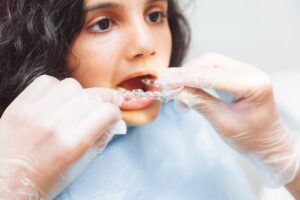
Bruxism, the habit of grinding or clenching your teeth, often happens during sleep, which means many people do not realize they do it. Over time, the pressure can wear down enamel, irritate the jaw, and contribute to headaches or sensitivity. A custom nightguard creates a protective barrier between upper and lower teeth. Because it is fitted to your mouth, it stays in place better than a store-bought version and does not interfere with breathing or comfort through the night.
Preventive Dentistry for Children
Children benefit from prevention in the same ways adults do, with a few extra considerations. Baby teeth guide the permanent teeth into position, so keeping them healthy matters more than it may seem. Early visits also help kids get comfortable with the dental chair, the instruments, and the people wearing masks. Practices that offer pediatric dentistry build those appointments around a gentle pace, clear explanations, and plenty of patience, which makes future visits easier for everyone in the family. Parents typically leave with practical guidance on brushing technique, snack choices, and habits that affect growing teeth.

Daily Habits That Make Office Visits Count
What happens between appointments shapes what your dentist sees at the next one. Small, consistent habits do most of the heavy lifting.
- Brush twice a day with fluoride toothpaste, using a soft-bristled brush and gentle circular motions.
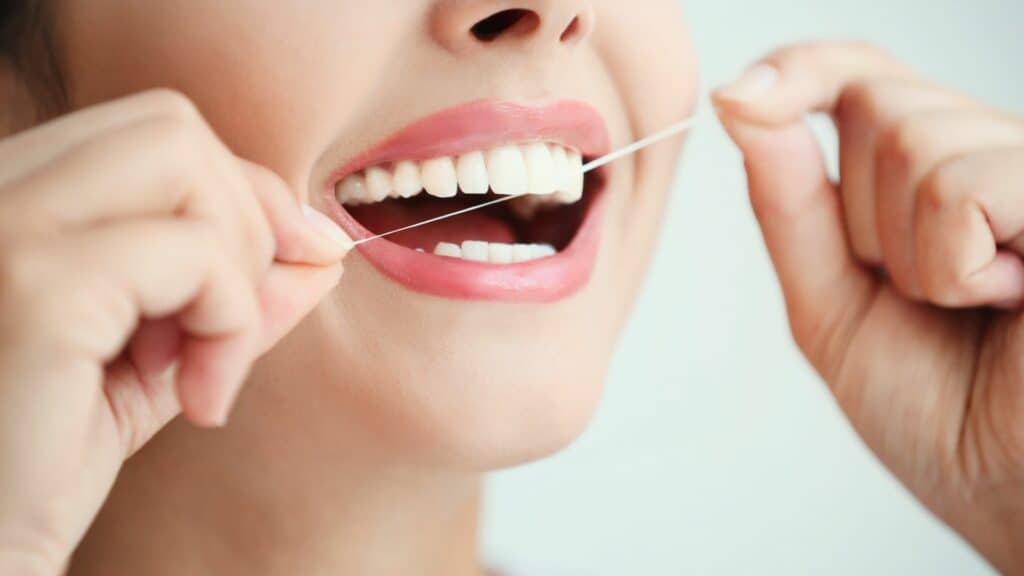
- Floss or clean between the teeth once a day to reach the spaces a brush misses.
- Limit sugary drinks and frequent snacking, since repeated sugar exposure keeps teeth under constant attack.
- Drink water throughout the day, especially after meals, to help rinse away food particles.
- Avoid tobacco products, which affect gum health and raise the risk of oral cancer.
- Wear a protective mouthguard during contact sports.
None of these habits replaces a professional cleaning, and a cleaning cannot undo months of skipped home care. The two work together, which is why dentists ask about your routine at nearly every visit.
Why Prevention Beats Treatment
The value of preventive dentistry shows up most clearly when something is caught early. A small area of decay can often be handled with a straightforward filling. A cavity that has been growing quietly for years may need a more involved restoration. Gum inflammation addressed at a cleaning is simpler to manage than advanced gum disease. Regular visits also reduce the odds of an urgent problem appearing at the worst possible moment, such as the night before a trip or a big work event, which is when emergency dentistry appointments tend to happen.
Choosing a Preventive Dentist in Owings Mills
Owings Mills has several dental offices, which is good news for patients but also means a little comparison shopping helps. Look for a practice that explains findings clearly rather than rushing through the exam, offers the full range of services your family needs, and keeps appointments running on schedule. Convenience matters too. Parking, office hours, and how far you are willing to drive for a cleaning affect whether you actually keep the appointment. Asking about insurance and payment options before your first visit avoids surprises at the front desk. The best preventive relationship is one you can maintain for years.
What to Expect as a New Patient at Toothfully Yours
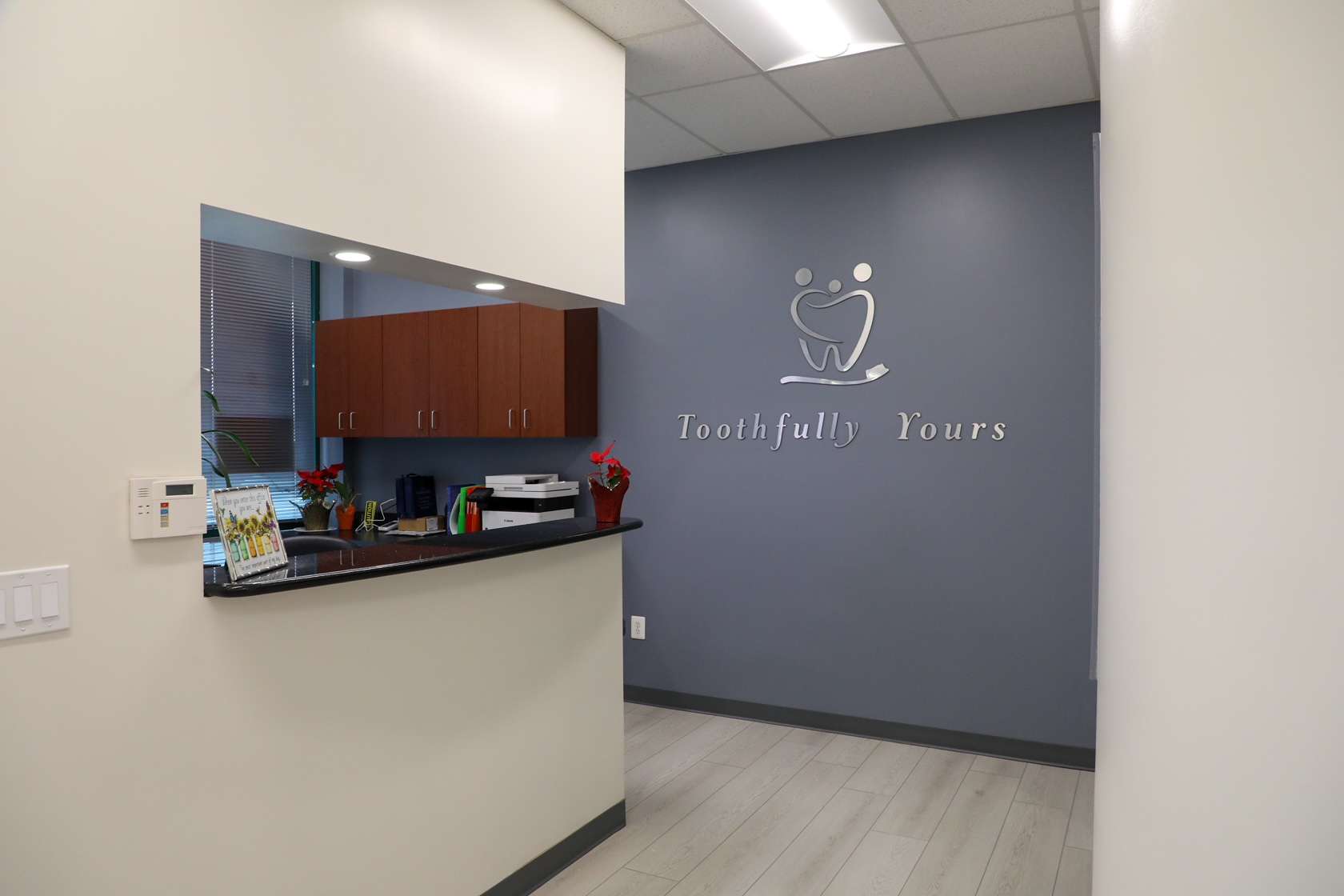
Toothfully Yours welcomes new patients in Owings Mills and describes its approach as caring, gentle, and personalized. Appointments are available Monday through Wednesday from 9am to 5pm, Thursday from 10am to 7pm, and Friday from 9am to 4pm, with visits on alternate Saturdays from 9am to 2pm. The practice offers general and preventive dentistry, cosmetic treatments, emergency care, and pediatric dentistry, so families can keep their care in one place. Booking is handled through the practice website.
Frequently Asked Questions
How often should I schedule a dental checkup?
Many patients are seen every six months, but the right interval depends on your gum health, cavity history, and other risk factors. Some people need more frequent visits, while others can safely go longer. Your dentist will recommend a schedule after reviewing your exam and history. The important part is keeping the rhythm consistent enough to catch changes early.
Does dental insurance cover preventive dentistry?
Coverage varies by plan. Many dental plans include exams, cleanings, and screenings as covered services, sometimes at a higher percentage than restorative work. Because every policy is different, check your specific benefits before your visit and confirm details with the practice office. Staff can usually explain what to expect and answer questions about accepted insurance plans.
Is preventive dentistry only for adults?
No. Children benefit just as much, and often more, since their teeth and jaws are still developing. Pediatric preventive care focuses on check-ups, cleanings, and habit guidance that supports growing teeth. Early, low-pressure visits also help children build comfort with the dentist, which makes future appointments calmer for them and for their parents.
What if it has been years since my last dental visit?
You are not alone, and there is no lecture waiting for you. Dentists see patients who have been away for a long stretch all the time. A first visit is about gathering information: what is healthy, what needs attention, and what can wait. From there, you and your dentist can build a plan that fits your priorities and schedule.
Can preventive care help if I grind my teeth at night?
Yes. Grinding and clenching are common, and many people only learn about it during a dental exam that reveals worn enamel or jaw tenderness. A custom nightguard protects teeth from that pressure while you sleep. Your dentist can check for signs of bruxism at a routine visit and discuss whether a guard makes sense for you.