



An oral cancer screening is one of the quickest stops on a dental visit and one of the most valuable. During a routine check-up, a dentist or hygienist looks closely at the soft tissues in and around your mouth for changes that are hard to spot on your own. The exam is non-invasive, virtually pain-free, and usually takes only a couple of minutes. Dental practices in the Owings Mills area describe oral cancer exams as a standard part of routine check-ups and recare appointments rather than an unusual add-on.
That short window of time matters because oral cancer often develops quietly. One local practice puts it plainly: one of the biggest dangers of oral cancer is that it can grow before you notice any signs. A screening that happens at each routine visit gives your dentist a chance to see small changes and track them over time, which is exactly how early detection works.
What Happens During an Oral Cancer Screening
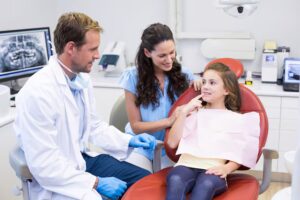
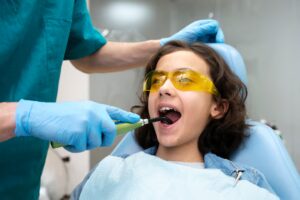
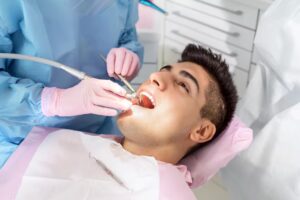
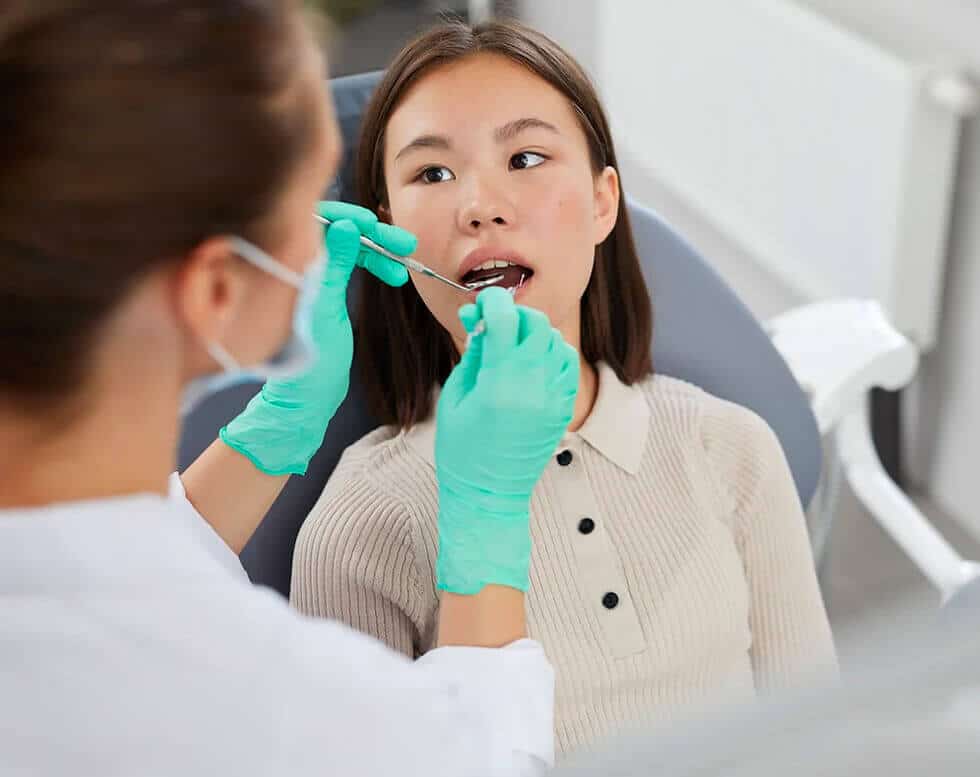
Screening is a visual and hands-on exam of your oral tissue. A dentist or hygienist inspects the areas most likely to show early changes, including the lips, the inside of the cheeks, the gums, the tongue, the floor of the mouth, the roof of the mouth, and the back of the throat. Many clinicians also use a gloved finger to feel for lumps or firm spots that cannot be seen.
There is no special preparation on your part. If you wear dentures or a partial, you may be asked to remove them so the tissue underneath can be examined. The entire process is non-invasive and virtually pain-free, which is why it fits so easily into a visit you were already attending.
How Long Does an Oral Cancer Screening Take?
Not long at all. Local dental sources describe oral cancer screenings as taking roughly two to three minutes, which is why most offices fold them into an existing appointment instead of scheduling a separate visit. If you are already due for a cleaning or exam, the screening adds almost no time to your chair time.
Because it is short and painless, there is little reason to skip it. The bigger risk is postponing a check-up altogether. The American Dental Association recommends a dental check-up every six months, and an oral cancer exam fits naturally into that rhythm.
Why Early Detection Matters So Much
When oral cancer is caught early, it can be effectively treated. That point appears in nearly every resource on the subject, and it is the core reason screenings exist. Found late, oral cancer is far harder to manage and outcomes are worse.
How common is it? Published numbers vary by source and by year. One local practice page cites American Cancer Society figures of more than 30,000 oral cancer cases diagnosed each year in the United States, with more than 7,000 of those cases resulting in death. Another local source cites over 50,000 cases annually and notes that nearly 20 percent of people diagnosed do not survive. That gap between sources is a good reason to check current statistics from the American Cancer Society directly rather than trusting any single web page. What the sources agree on is the direction of clinical advice: find it sooner, treat it more easily.

Signs and Symptoms That Should Not Wait for Your Next Visit
Screening is not a substitute for paying attention between appointments. Call your dentist if you notice any of the following and it does not clear up on its own:
- A sore or ulcer in the mouth that does not heal
- A lump, thickening, or rough patch in the cheek, lip, or gum tissue
- White or red patches on the tongue, gums, or lining of the mouth
- Persistent pain, tenderness, or numbness in the mouth or lips
- Trouble chewing, swallowing, or moving the tongue or jaw
- A sore throat or hoarseness that lingers
None of these automatically means cancer. Most turn out to have a simple explanation. The point is that a persistent change deserves a professional look rather than a wait-and-see approach until your next cleaning.
What Else Your Dentist Checks at a Routine Exam
Oral cancer screening is one item on a longer checklist. A standard dental exam also looks for:
- Tooth decay
- Loose fillings or crowns
- Poorly fitting dentures
- Gum disease
- Signs that you grind your teeth
- Oral cancer
That list reflects how local practices describe their exams and cleanings, and it is a fair picture of a normal visit. Oral cancer screening sits alongside decay and gum checks because all three are easier to treat when they are caught while they are still small.
Who Should Be Screened, and Who Is at Higher Risk
The straightforward answer is most adults, at every routine exam. Dentists perform the exam as part of a normal check-up rather than reserving it for people with obvious risk factors. Still, some habits and health factors raise your risk, and it helps to mention them so your dentist can tailor recommendations.
Tobacco use in any form and heavy alcohol use are the factors most often discussed. Long-term sun exposure to the lips, a previous oral cancer diagnosis, and certain health conditions also come up in these conversations. One local periodontal office notes that it provides guidance on quitting risky behaviors as part of the exam, which is a sensible addition. If your dentist already knows your habits, the advice you get becomes more personal and more useful.
What Happens if Something Looks Unusual
Most findings during a screening are harmless and simply get noted in your chart. If your dentist sees or feels something that warrants a closer look, you will be told what was found and what the next step is. That may mean rechecking the area at a follow-up visit, or it may mean a referral for further evaluation.
Ask three questions if this happens: what exactly was seen, how soon the next step should happen, and who is responsible for following up. Getting clear answers keeps the process from stalling, which matters because the value of screening depends on acting on what it finds.
What to Expect at Toothfully Yours
Toothfully Yours provides general and preventive dentistry for patients in Owings Mills, and oral cancer screening is part of routine check-ups and cleanings. The practice also offers cosmetic, emergency, and pediatric dentistry, so families can often be seen in one place. The approach is personalized and gentle, which matters for anyone who feels anxious about having their mouth examined.
If you are booking a first visit, mention any concerns or symptoms when you schedule so they can be noted before you arrive. That gives your dentist context and saves time during the appointment.
Questions to Ask About Cost and Coverage
Pricing for oral cancer screenings is not published in the sources behind this article, and estimates can differ from one practice to the next. Dental insurance plans also vary in how they classify the exam, and a screening performed as part of a covered check-up may be handled differently than one billed on its own.
Before your appointment, ask the front desk whether the screening is included in your exam and how your plan handles it. It is also worth asking what happens if something suspicious is found, including whether follow-up visits or a referral would be covered. A two-minute question at the desk can prevent a surprise later.
Booking a Screening in Owings Mills
The easiest way to get screened is to combine it with the cleaning or check-up you already need. If it has been longer than six months since your last visit, or if you have noticed a change in your mouth that is not going away, call the office and schedule an appointment. A screening takes minutes, costs you nothing extra in discomfort, and gives you information you would not otherwise have.
Frequently Asked Questions
How long does an oral cancer screening take?
Local dental sources describe the exam as taking about two to three minutes. Because it is quick and requires no preparation, most practices perform it as part of a routine check-up or cleaning rather than booking a separate appointment. If you are already in the chair for an exam, the screening adds almost no extra time to your visit.
Does an oral cancer screening hurt?
No. The screening is described as non-invasive and virtually pain-free. Your dentist looks at the soft tissues of your mouth and may gently feel the cheeks, lips, tongue, and floor of the mouth with a gloved finger to check for lumps or firm areas. Most patients barely notice the exam happening.
How often should I have an oral cancer screening?
The American Dental Association recommends a dental check-up every six months, and oral cancer screening is typically included at each of those visits. If you have risk factors, your dentist may suggest coming in more often or watching a specific area more closely. Follow whatever interval your dentist recommends for your situation.
What should I do if I notice a sore that will not heal?
Call your dentist instead of waiting for your next scheduled cleaning. A sore, lump, or patch of color in your mouth that does not clear up on its own is worth a professional look. Most of these turn out to be harmless, but the ones that are not are far easier to treat when they are found early.
Is an oral cancer screening included in a regular dental exam?
Many practices include it as part of routine check-ups and recare appointments, and some describe it as a standard part of the visit. Since billing and coverage vary by office and by insurance plan, confirm with the front desk how a screening would be handled under your specific plan before your appointment.