


A smile with dental veneers can look flawless, but keeping it that way takes daily effort. Veneers are a cosmetic treatment designed to improve the appearance of your teeth. They do not make the underlying teeth immune to decay or damage. That is why aftercare matters just as much as the procedure itself.
Caring for dental veneers is not complicated. It comes down to brushing with the right tools, flossing daily, and being thoughtful about what you eat and drink. With a few simple habits, you can protect your veneers and keep your smile bright for years. Here are the essentials to keep in mind.
What Are Dental Veneers?
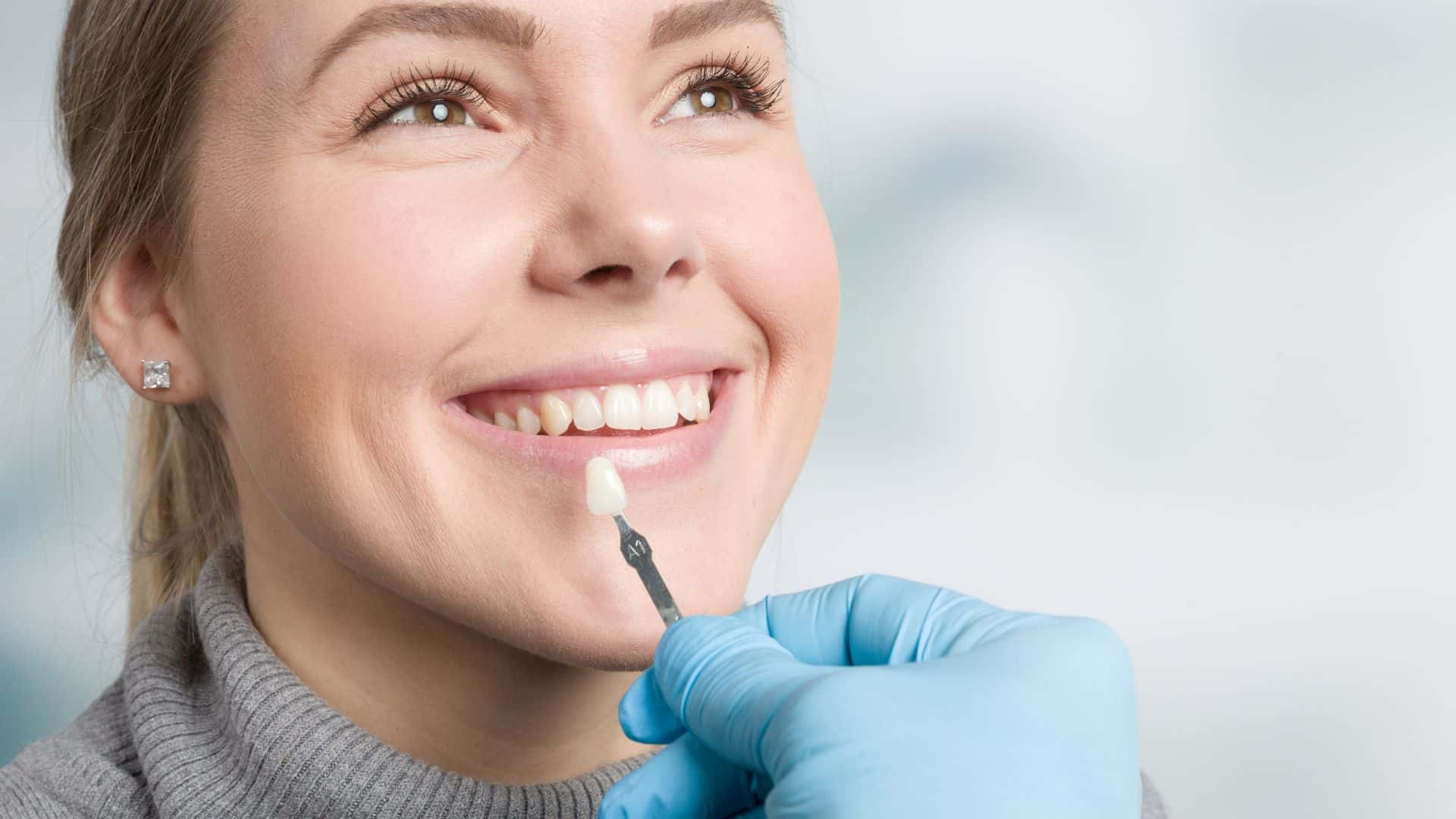
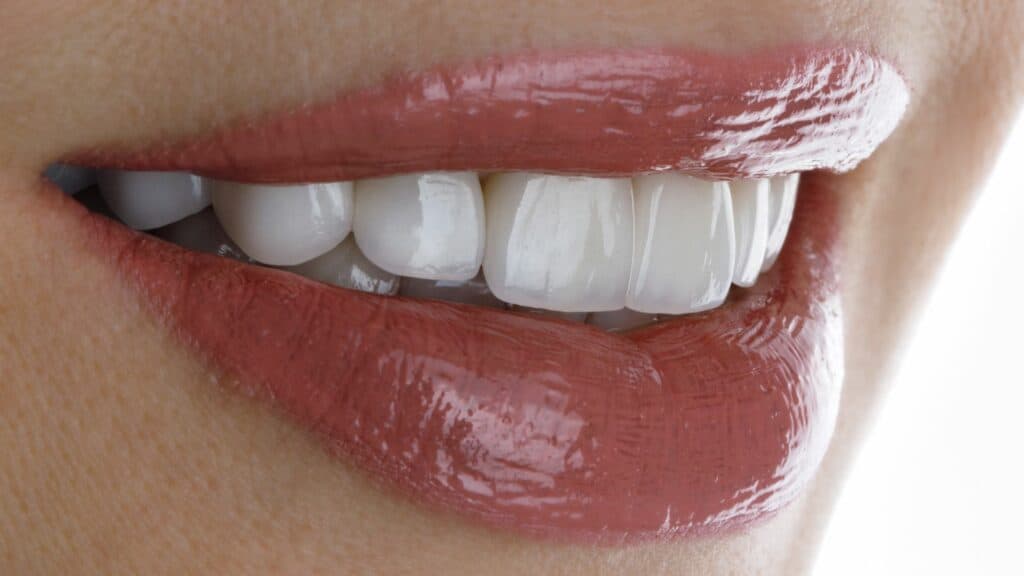
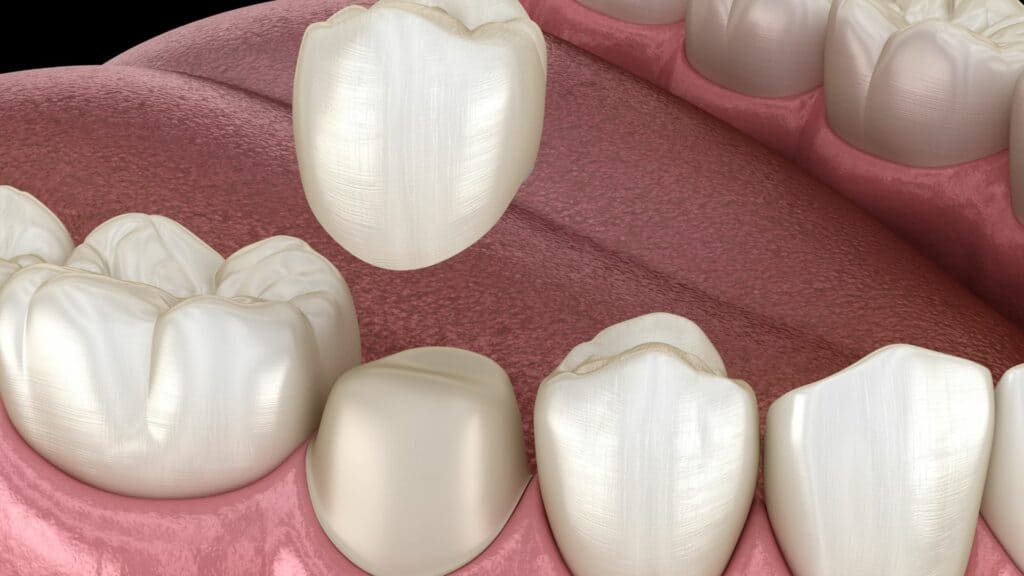
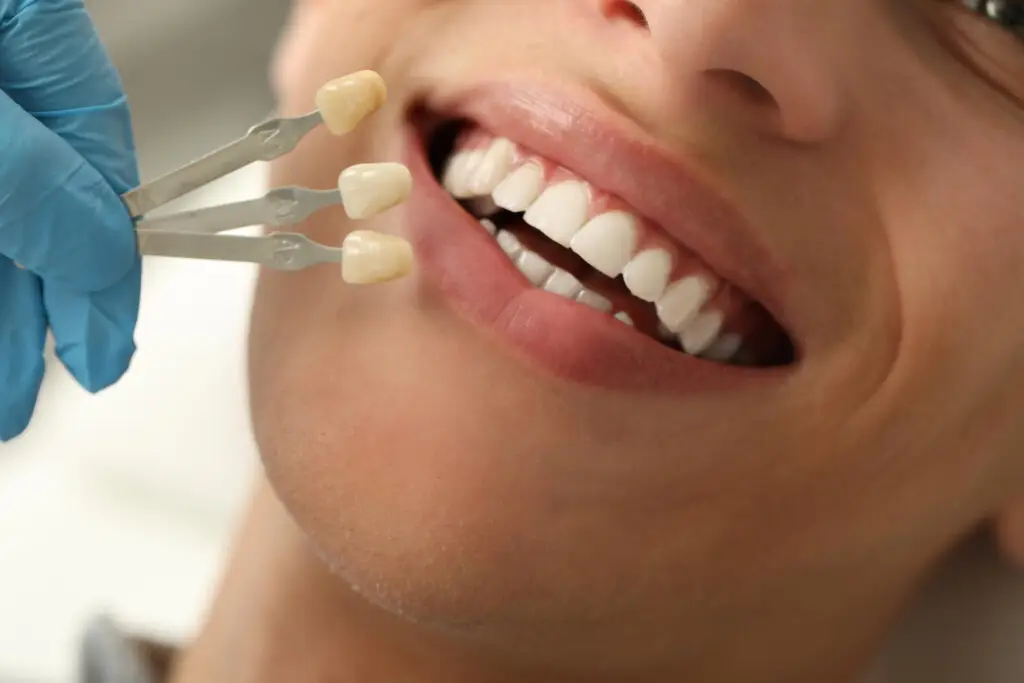
Dental veneers are custom-made shells that fit over the front surfaces of your teeth. They conceal cracks, chips, stains, and other cosmetic imperfections, which makes them one of the most common cosmetic dentistry treatments. There are several types of veneers available, depending on your specific goals.
One detail matters for anyone considering the treatment: veneers are a cosmetic treatment. In other words, they improve your smile, but they do not necessarily strengthen or repair your teeth. That distinction is important because the natural tooth underneath still needs full protection. Your daily care has to cover both the veneer shell and the tooth it sits on.
Brush Twice a Day With a Soft-Bristled Brush
The foundation of veneer care is brushing your teeth in the morning and evening. Use a non-abrasive toothpaste and a soft-bristled toothbrush. The soft bristles are gentler on the veneer surface, while the non-abrasive toothpaste prevents the gradual wear that harsh formulas can cause. You really want to avoid anything overly abrasive.
When you brush, use gentle circular motions. This technique cleans the surface without putting pressure on the edges of the veneers. Gentle circular motions are consistently recommended in veneer aftercare guidance because they remove plaque without scratching or damaging the material.
Some aftercare tips also suggest considering an electric toothbrush. An electric brush can help you maintain a steady, gentle cleaning motion with less effort, and it can be especially helpful for people who tend to brush too hard with a manual brush.
Floss Once a Day to Protect the Teeth Underneath
Like natural teeth, veneers must be brushed twice daily and flossed once daily. Flossing between the veneers removes bacteria and food particles that a toothbrush cannot reach. This step is essential because the natural teeth underneath your veneers are still vulnerable to decay.
Brushing at least twice a day is important for keeping dental veneers clean and protecting the teeth underneath them. Flossing at least once a day removes the plaque and debris that can lead to cavities and gum problems. If you are consistent, you lower the risk of issues that could threaten the veneers themselves.
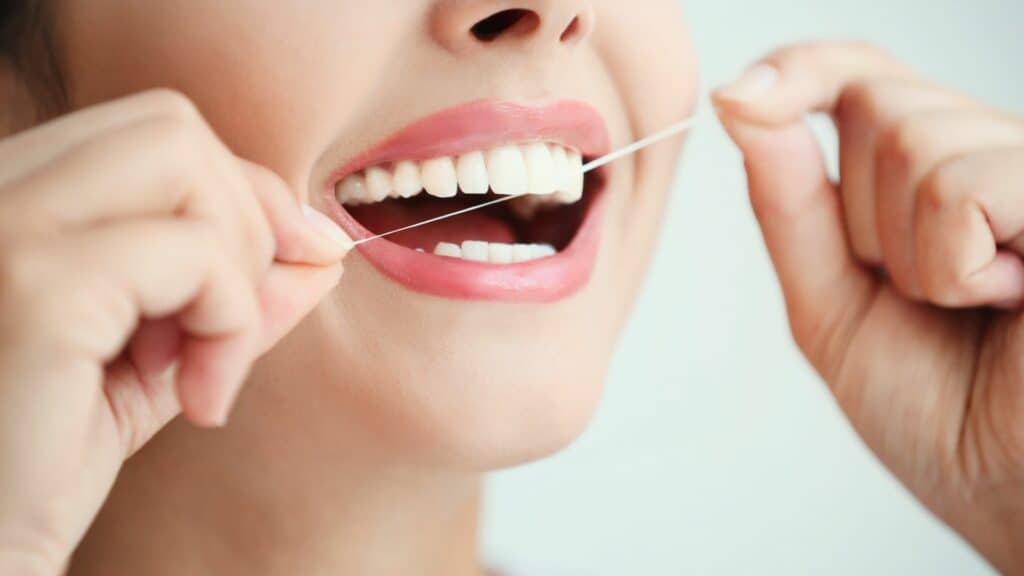
Use a gentle touch when you floss around veneers. Slide the floss between the teeth and follow the curve of each tooth rather than snapping the floss down hard. This protects the gum tissue and keeps the area around the veneer clean.

Brush After Meals When You Can
Some aftercare instructions recommend brushing for two to three minutes after every meal. This is a practical habit when your schedule allows it. Food and drink sit on the surface of your teeth throughout the day, and removing them sooner means less time for bacteria to multiply.
You do not need to overthink this step. The essential routine is still mornings and evenings, but adding an after-meal brush when possible gives your veneers an extra layer of protection. If you cannot brush right after eating, rinsing your mouth with water is a simple backup.
Be Careful With Hard Foods
Veneers are designed to last, but they are not invincible. Hard foods are one of the biggest risks to your new smile. Being careful with hard foods protects the veneer material and the bond that holds each shell to your tooth.
This does not mean you need to avoid crunchy foods entirely. It means being mindful. Avoid biting directly into ice, hard candies, or other rigid items. Cut hard fruits and vegetables into smaller, manageable pieces. A little caution goes a long way in preventing chips and cracks.
If you do notice any roughness, a chip, or a change in the way your veneer feels, mention it to your dentist at your next visit. Catching a small problem early is much easier than dealing with a larger repair later.
Limit Foods and Drinks That Can Stain
Just like natural teeth, veneers can pick up stains from what you consume. Limiting food and drinks that are known to stain is one of the most consistent recommendations in veneer aftercare guidance. This habit pays off over time, keeping the front surface of your veneers bright and even.
As a general rule, if something would stain a white fabric, it can also stain your teeth and veneers. Keep this in mind when you reach for coffee, tea, red wine, or dark sauces. You do not have to give them up completely, but moderation and rinsing your mouth with water afterward can help minimize the effect.
Keep Up With Routine Oral Hygiene
The best way to preserve your veneers is to brush and floss your teeth every day, twice a day. The better you are at good oral hygiene, the healthier your teeth remain. This is the single most reliable way to protect both your veneers and the natural teeth underneath them.
Veneer aftercare is not a separate routine. It is your existing oral hygiene routine with a few adjustments. Soft bristles, non-abrasive toothpaste, gentle technique, and daily flossing will serve you well.
Why Consistent Aftercare Matters
The health of your gums and the teeth underneath your veneers determines how well the veneers hold up. Bacteria and decay do not stop just because a shell covers the front of a tooth. Flossing between veneers prevents bacteria and decay, and daily brushing protects the teeth underneath them.
Veneers are an investment in your smile, and like any investment, they do best with regular attention. Skipping flossing or using an abrasive toothpaste may not cause problems overnight, but the effects can build up over time. A consistent routine is the most reliable way to keep your smile looking fresh.
A Simple Daily Veneer Care Routine
The table below summarizes the daily habits that keep veneers clean and protected.
| Time | Veneer Care Habit |
|---|---|
| Morning | Brush with a soft-bristled toothbrush and non-abrasive toothpaste |
| After meals | Brush for 2 to 3 minutes when possible, or rinse with water |
| Evening | Brush again with a gentle circular motion |
| Once daily | Floss between teeth, including around the veneers |
| All day | Be mindful of hard foods and stain-causing drinks |
Understanding What Veneers Can and Cannot Do
Veneers are a cosmetic treatment, and keeping that in mind helps you set the right expectations. They conceal cracks, chips, stains, and other cosmetic imperfections, and they are one of the most common cosmetic dentistry treatments available. Several types of veneers exist, depending on your specific goals.
However, veneers do not necessarily strengthen or repair your teeth. They improve the appearance of your smile, but the underlying tooth structure remains the foundation. This is why caring for dental veneers includes protecting the natural tooth from decay, gum disease, and damage. Your daily habits matter just as much after veneers as they did before.
Why Choose Toothfully Yours for Your Veneer Care?
Taking care of your veneers starts with the right daily habits, but professional dental guidance can help you protect your smile for the long term. At Toothfully Yours, we focus on helping patients maintain healthy teeth and gums alongside their cosmetic dental treatments. From personalized oral hygiene guidance to routine dental checkups, our team can help you understand how to care for your veneers based on your individual needs.
Whether you have recently received veneers or have had them for years, regular professional care can help identify potential concerns early and keep your natural teeth and gums healthy. With the right combination of daily care and professional guidance, you can enjoy a confident, healthy-looking smile for years to come.
Conclusion
Caring for your veneers is simple when you follow consistent oral hygiene habits. Brush twice daily with a soft-bristled toothbrush and non-abrasive toothpaste, floss once a day, avoid biting hard objects, and stay mindful of foods and drinks that may affect your smile. Regular dental checkups are equally important for protecting your veneers and the natural teeth underneath. Want to keep your veneers looking their best? Contact Toothfully Yours today for personalized veneer care and professional guidance to protect your smile for years to come.
Frequently Asked Questions
Do dental veneers require special toothpaste?
Use a non-abrasive toothpaste to brush your veneers and other teeth twice a day. You really want to avoid anything overly abrasive, because harsh formulas can wear down the surface of the veneers over time. A soft-bristled toothbrush is also recommended. Together, these two choices protect both the appearance of your veneers and the health of your gums.
Can I use an electric toothbrush with veneers?
Yes. Using an electric toothbrush is one of the protective tips that appears in veneer aftercare guidance. The important thing is to use it gently and let the brush do the work. Pair it with soft bristles and a non-abrasive toothpaste, and you can clean your veneers effectively without putting too much pressure on the material.
How often should I brush and floss my veneers?
Like natural teeth, veneers must be brushed twice daily and flossed once daily. Brush in the morning and evening with a soft-bristled toothbrush and a non-abrasive toothpaste. Floss once a day to remove bacteria and debris between the teeth. Some aftercare instructions also recommend brushing for two to three minutes after every meal when possible.
Are veneers just for appearance?
Veneers are a cosmetic treatment. They improve your smile, but they do not necessarily strengthen or repair your teeth. They are custom-made shells that fit over the front surfaces of your teeth and conceal cracks, chips, stains, and other cosmetic imperfections. Because of that, the natural tooth underneath still needs consistent cleaning to stay healthy and support the veneer.
What should I do after eating with veneers?
If you can, brush for two to three minutes after your meal using a soft-bristled toothbrush. When that is not practical, rinse your mouth with water and continue with your regular morning and evening brushing. Flossing once daily is still important to remove anything stuck between the veneers. The goal is to keep food from sitting on the veneer surface for long periods.