







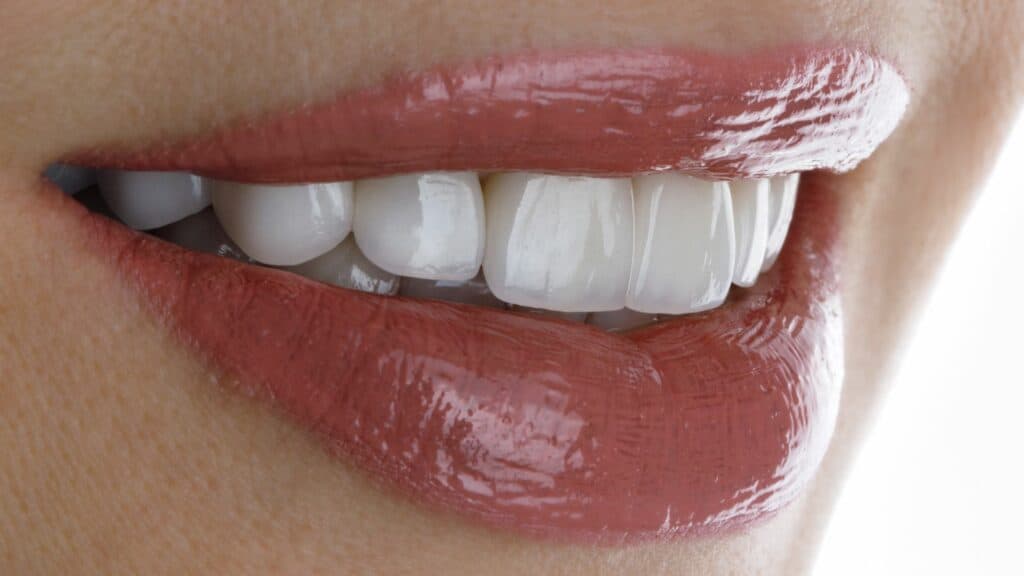

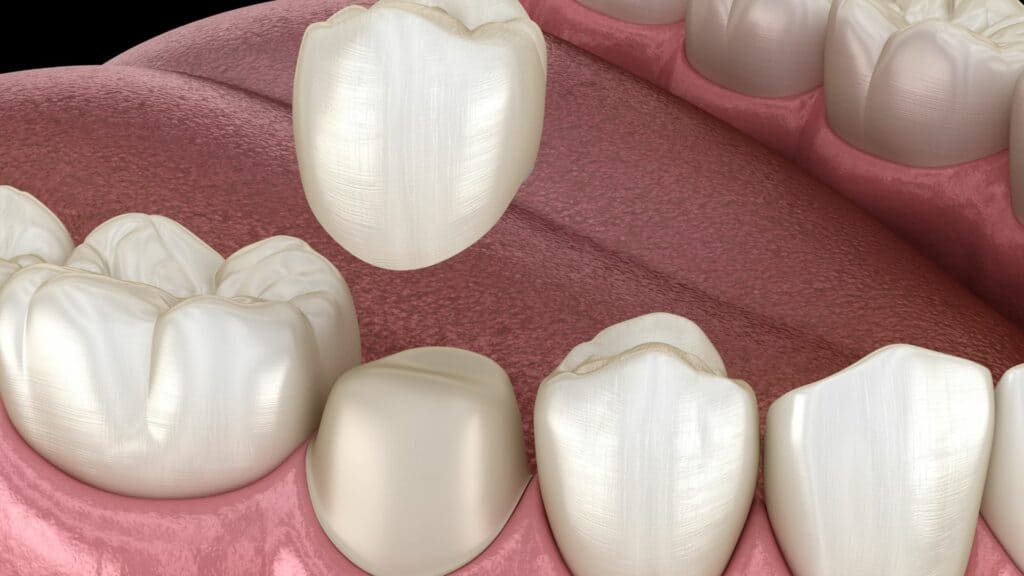
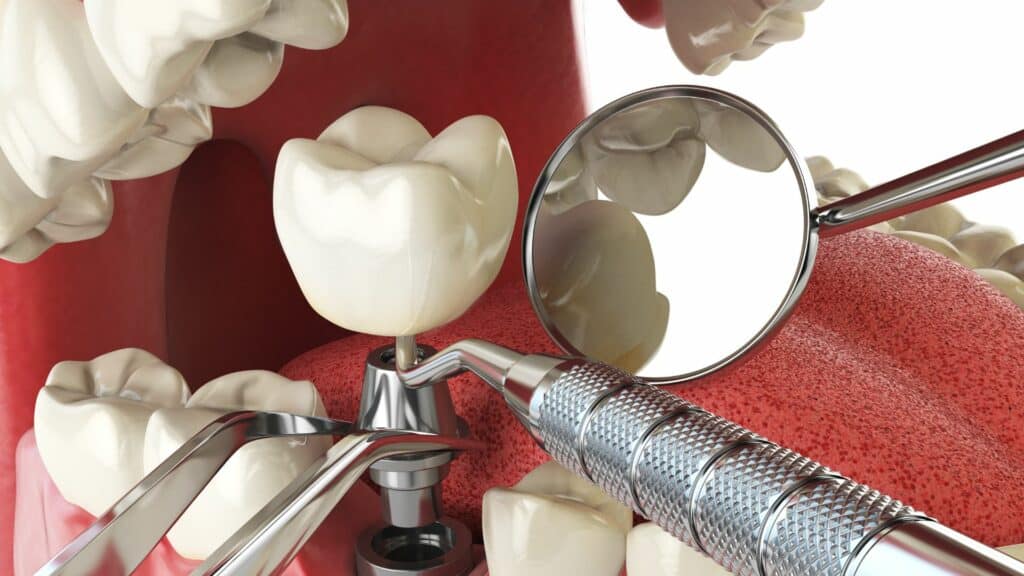


Your smile is often the first thing people notice, and small imperfections like chips, gaps, or stubborn stains can make you hesitate to show it. Veneers offer a popular way to address these concerns by covering the front of the teeth with custom-shaped shells. If you are researching your cosmetic options, you have probably come across two main choices: porcelain veneers and composite veneers. Each has its own strengths, and understanding the differences can help you decide which direction fits your goals.
At Toothfully Yours in Owings Mills, MD, cosmetic dentistry is a key part of the practice. The team focuses on personalized, gentle care, which means your smile goals are the starting point for every recommendation. This guide compares porcelain veneers vs composite veneers across material, appearance, durability, cost, and reversibility, so you can enter your consultation with confidence.
Veneers are not a one-size-fits-all treatment. Some patients want a quick cosmetic fix for a special event, while others are looking for a permanent solution that looks as close to natural teeth as possible. Knowing where you fall on that spectrum is the first step toward choosing the right material.
What Are Dental Veneers?
Dental veneers are wafer-thin shells that cover the front, visible surfaces of the teeth to correct aesthetic imperfections. They are designed to help patients create smiles they feel proud to show off. Veneers can address issues such as gaps between teeth, chipped edges, and discoloration that does not respond to whitening.
There are two common types of veneers: porcelain and composite. Both can produce outstanding results, but they are made from different materials that behave differently in the mouth. A dentist will consider your priorities, your oral health, and the condition of your teeth before recommending one over the other.
Because veneers are placed on the visible front surfaces, they are primarily a cosmetic treatment. They do not replace the need for healthy teeth and gums; instead, they enhance the look of what is already there. During a consultation, your dentist can review your smile and help you determine whether veneers are the right approach for your concerns.
Porcelain Veneers vs Composite: Material Basics
The fundamental difference between composite veneers and porcelain veneers comes down to what they are made from. Composite veneers are made from a type of durable plastic known as composite resin. Porcelain veneers are made from a high-quality ceramic material. This difference in composition affects how the veneer looks, how long it lasts, how much it costs, and how the natural tooth needs to be prepared beforehand.
| Feature | Composite Veneers | Porcelain Veneers |
|---|---|---|
| Material | Durable plastic called composite resin | High-quality ceramic |
| Appearance | Good cosmetic results | More natural look similar to real teeth |
| Durability | Wear down quicker; lifespan about 5 to 7 years | Longer-lasting, tougher, chip-resistant, stain-resistant |
| Cost | Lower-cost option | About twice as expensive on average |
| Enamel removal | Often little to no enamel removal | Permanent cosmetic solution |
| Reversibility | Reversible option | Permanent commitment |
The table highlights the main differences, but your own priorities determine which factors matter most. If you value a natural look above all else, porcelain may be the better fit. If you want a faster, less expensive improvement, composite is worth considering. A dentist can add context to these points based on the specific condition of your teeth.
Appearance: Which Veneer Looks More Natural?
Appearance is often the first factor people compare. Porcelain veneers offer a more natural look that is similar to real teeth. The ceramic material reflects light in a way that closely mimics natural enamel, which is why porcelain is frequently selected for front-tooth restorations. Composite veneers can still create attractive results; the resin can be shaped and polished to blend with surrounding teeth. However, if the most life like appearance is your top priority, porcelain is typically the stronger option.
The word natural comes up often in discussions about porcelain, and for good reason. Porcelain is a ceramic material that can replicate the translucency and subtle color variations of real enamel. Composite resin is a molded plastic; while it can be shaded and polished, it does not always offer the same depth that porcelain provides. When the two are compared on front teeth, the visual difference can be noticeable.
Durability and Longevity: Porcelain vs Composite
Durability matters if you want your veneers to hold up over time. Porcelain veneers are tougher than composite material, and they are also chip-resistant and stain-resistant. That combination makes porcelain a reliable choice for many patients. Composite veneers, by comparison, wear down more quickly. Their lifespan is typically five to seven years, after which they may need to be repaired or replaced.
Porcelain veneers also require careful handling. If a porcelain veneer breaks or falls off, it may need to be replaced rather than repaired. That is why working with an experienced dentist is important. The caring, gentle approach at Toothfully Yours means you will be guided through the details of either material before any treatment begins.
For families with active lifestyles, resistance to chipping and staining is especially valuable. Porcelain veneers are tougher than composite and hold up well to everyday wear. Composite veneers, while still durable enough for many situations, are better suited to patients who understand they will need upkeep within about five to seven years. Choosing a material that matches your lifestyle is part of the decision.
Cost: How Porcelain and Composite Compare
Cost is one of the biggest deciding factors for many patients. On average, porcelain veneers are twice as expensive as composite veneers. That price gap makes composite a lower-cost option for people who want to improve their smile without making a larger financial commitment. Budget limits are a common reason patients choose composite veneers.
It is also smart to look beyond the initial price. Because composite veneers have a shorter lifespan of five to seven years, they may need more frequent maintenance or replacement over time. Porcelain veneers last longer, which can make their higher upfront cost worthwhile for patients who plan to keep the results for many years. Your dentist can help you weigh the short-term and long-term picture during a consultation.
Cost also affects how patients approach the decision. Some people come in with a firm budget and want the best result within that range, which makes composite an appealing choice. Others are willing to invest more upfront because they want the natural look and durability of porcelain. Both approaches are valid. The important part is choosing a material you feel good about, not one that stretches your comfort level.

Enamel Removal and Reversibility
Another key consideration is how much of your natural tooth must be changed. Composite veneers often involve little to no enamel removal, which makes them a reversible option. If you are not ready for a permanent change, composite allows you to see how you feel about veneers with less commitment. This makes it an appealing starting point for many patients.
Porcelain veneers, on the other hand, are considered a permanent cosmetic solution. The preparation process is more involved, and the result is designed to last for the long term. Porcelain is a good fit for people who are confident in their decision and want the natural look, toughness, and longevity that ceramic veneers provide.
Which Veneer Is Right for You?
There is no universal winner in the porcelain vs composite comparison. The right choice comes down to your personal goals, your budget, and your comfort with permanence. Composite is the better match if you want a lower-cost, quick cosmetic fix, have budget limits, or prefer a reversible option. Porcelain is the stronger match if you want the most natural appearance, a tougher material, and a longer-lasting result.
It can also help to think about your timeframe. If you picture yourself with the same veneers years from now and you want them to still look natural, porcelain is designed for that kind of longevity. If you are exploring how veneers feel and look, or if you want a boost before a big occasion, composite offers a quicker path that leaves the door open.
Choose Composite Veneers If
- You want a lower-cost option
- You want a quick cosmetic fix
- You have budget limits
- You prefer a reversible choice
Choose Porcelain Veneers If
- You want the most natural look
- You want a chip-resistant, stain-resistant surface
- You want a tougher material that lasts longer
- You are ready for a permanent cosmetic solution
Both porcelain and composite veneers can transform your smile, and the choice is ultimately personal. Talking through your goals with a dentist who takes the time to listen can make the decision much easier. Call Toothfully Yours in Owings Mills, MD today to schedule a consultation and take the next step toward a smile you are excited to share.
Conclusion
Choosing between porcelain and composite veneers comes down to your smile goals, budget, and long-term expectations. Both options can improve the appearance of your teeth, but the right choice depends on your individual needs and oral health. At Toothfully Yours in Owings Mills, MD, our experienced team takes the time to understand your concerns and recommend the veneer option that best fits your lifestyle and desired results. If you are ready to enhance your smile with personalized cosmetic dental care, schedule a consultation today and let us help you achieve a confident, natural-looking smile.
Frequently Asked Questions
How long do composite veneers last?
Composite veneers typically last about five to seven years. Because they are made from composite resin, they wear down more quickly than porcelain. Good oral hygiene and regular dental visits can help your veneers stay in good shape, but they may eventually need repair or replacement. Your dentist can monitor them over time and let you know when maintenance is needed.
Are composite veneers reversible?
Yes, composite veneers are considered reversible. They often involve little to no enamel removal, so more of your natural tooth structure remains intact. If you ever decide that veneers are not the right choice for you, the process is far less permanent than porcelain. Porcelain veneers, by contrast, are treated as a permanent cosmetic solution that is designed to stay in place for years.
Are porcelain veneers stain-resistant?
Yes, porcelain veneers are stain-resistant. The high-quality ceramic material holds up well against foods and drinks that can discolor natural teeth. Composite veneers can still look great, but they wear down more quickly and may be more prone to staining over time. Regular brushing, flossing, and routine cleanings help keep both types of veneers looking their best.
Are porcelain veneers stronger than composite veneers?
Yes, porcelain veneers are tougher than composite material. They are also chip-resistant, which makes them a durable choice for many patients. Composite veneers are made from composite resin, a durable plastic that wears down faster in comparison. That is why composite veneers have a shorter lifespan of about five to seven years, while porcelain is built for longer-term use.
Why are porcelain veneers more expensive than composite veneers?
On average, porcelain veneers are twice as expensive as composite veneers. The higher cost reflects the quality of the ceramic material and the way porcelain is manufactured. Composite veneers serve as a lower-cost alternative, which makes them attractive for patients with budget limits or those who want a quick cosmetic fix without a permanent commitment.