









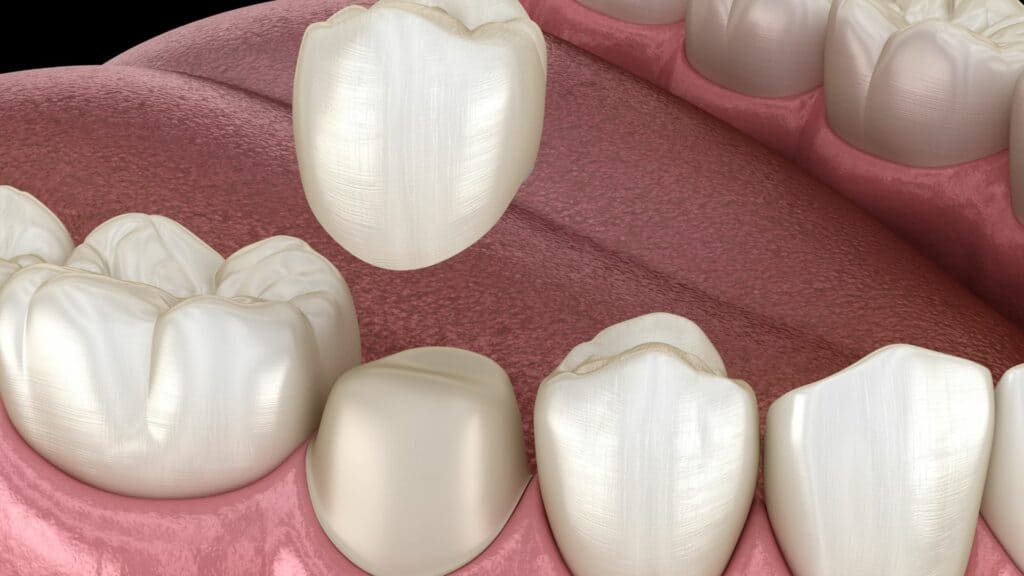



A composite filling procedure repairs a decayed or damaged area of a tooth with tooth-colored resin. If your dentist has recommended one, the reassuring part is that this is a routine treatment with a predictable sequence of steps. Nothing about it is improvised.
Knowing what happens, and roughly in what order, makes the appointment feel far less like a mystery. You will know when the numbing happens, when the removal of decay stops, and what your dentist is doing while you sit with your mouth open. Here is a plain walk-through of the procedure, along with the questions worth asking along the way.
What a Composite Filling Is and What It Repairs
Composite is a tooth-colored resin material. It is used to restore a tooth that has been damaged by decay or injury, rebuilding the portion of tooth structure that is no longer sound. Because the material is tooth-colored, the finished restoration sits in the tooth without the contrast of a dark metal filling.
The resin does not go in all at once. A composite filling is placed in layers, and those layers are gradually built up until they fill the hole left behind after the damaged tissue is removed. Between layers, your dentist may use an ultraviolet light to harden the material before adding more on top.
Why Your Dentist May Recommend a Composite Restoration
Decay is the most common reason. When bacteria have softened part of a tooth, that tissue cannot simply be left in place, and the space it occupied has to be rebuilt. Damage is the other frequent reason. A chip, a crack, or a worn edge can leave a tooth that needs to be reshaped and supported.
The decision is not automatic. Your dentist examines the tooth first and discusses whether a composite restoration is appropriate for that particular situation. X-rays or other diagnostic tools may be part of that evaluation, since what is visible on the surface is only part of the picture. The exact plan depends on the tooth and the amount of damage involved.
The Composite Filling Procedure, Step by Step
Filling a tooth is a multi-step process, and the order matters. Most patients move through the same general sequence.
-
- Examination and treatment planning. Your dentist looks at the tooth, reviews any imaging, and confirms that a composite restoration is the right approach. This is a good moment to ask about the material and about how the tooth will look afterward.
- Numbing the area. The tooth and the tissue around it are numbed with a local anesthetic. This is the step most people remember, largely because it is the only one that involves a needle. Once it takes effect, the tooth and surrounding tissue are numb while the work is done.
- Removing decay and damaged tissue. Your dentist clears out the decayed or damaged tissue using specialized instruments. An air abrasion instrument may also be used as part of the preparation. This step creates a clean, sound surface for the resin to bond to.
- Cleaning and preparing the tooth. After the decay is removed, the tooth is cleaned and prepped. Keeping the area free of debris is part of what allows the composite to sit properly in the cavity.
- Placing the composite in layers. Composite goes in gradually rather than in a single mass. Your dentist builds it up layer by layer so it fills the hole instead of sitting on top of it.
- Curing the resin. Between layers, and again at the end, your dentist may use an ultraviolet light to harden the material. The light is what sets the resin before the next layer goes on.
- Shaping the filling. Once the resin is built up, it is shaped to match the contours of the tooth so it sits naturally in your bite.
- Polishing. The finished filling is polished so the surface feels smooth against your tongue and against the tooth it meets.
- Checking the bite. Your dentist asks you to close your teeth together and confirms the new filling is not sitting high. Any high spot is adjusted before you leave.

Why Composite Goes In Layer by Layer
Patients often notice that the appointment involves a lot of small steps rather than one big fill, and there is a reason for that. Composite resin is not poured in and left to set on its own. It is placed in increments, and each increment is built up so the restoration fills the cavity completely and matches the shape the tooth needs.
That layering approach is also why your dentist may reach for the curing light more than once during your visit. Each pass of the light hardens the material that has been placed so far, and then the next layer goes on top of it. By the end of the appointment, the layers have formed one solid, tooth-colored restoration.
What the Appointment Feels Like
Because the area is numbed first, the procedure itself is usually uneventful for the patient. You may be aware of pressure, vibration, and the sound of instruments, and you may notice the taste or texture of the materials being used. The local anesthetic is what keeps the tooth itself from registering the work as it happens.
If you are nervous about dental treatment, say so at the start. A practice that emphasizes gentle, personalized care can walk you through each step as it happens, agree on a signal you can use if you need a pause, and slow the pace if that helps. That conversation takes almost no time and often changes how the whole appointment feels.
How Long the Appointment Takes
There is no single answer here. The exact steps vary by tooth and by the amount of damage being repaired, so a small filling near the surface and a larger restoration on a back molar are not the same appointment. Your dentist can give you a realistic estimate when the treatment is scheduled.
If your time is limited, mention that when you book. Many practices can tell you whether to expect a short visit or a longer one, and knowing that in advance makes it easier to plan the rest of your day around it.
After the Appointment
Once you leave, your dentist is the best source of instructions for your specific tooth, because the guidance depends on the size of the filling and where it sits. Rather than guessing, ask directly about the things you will actually wonder about later: when you can eat, how the tooth may feel as the numbness wears off, how to care for the area at home, and when you should come back.
Write those answers down or ask for them in writing before you head out. A question asked in the chair takes ten seconds. The same question at home at nine at night is much harder to resolve.
Questions to Ask Before or After Treatment
-
- Is a composite restoration the right choice for this tooth?
-
- How much of the tooth will be removed during preparation?
-
- Will this tooth need anything beyond the filling?
-
- What should I expect as the numbness wears off?
-
- What should I do if something feels off in the days afterward?
-
- When is my next check-up, and what will be checked then?
Getting a Composite Filling in Owings Mills
Toothfully Yours is a dental practice in Owings Mills, Maryland, offering general, cosmetic, emergency, and pediatric dentistry with a focus on personalized, gentle care. The team, which includes Dr. Pooja Soni, works with patients on routine treatment such as fillings as well as larger restorative and cosmetic plans.
If you have a tooth that is bothering you, or if it has been a while since your last check-up and you are not sure whether something needs treatment, the first step is an exam. Call today to schedule an appointment and get a clear answer about what your tooth actually needs.
Frequently Asked Questions
How painful is a composite filling?
The tooth and the tissue around it are numbed with a local anesthetic before any work begins, so the procedure is performed while that area is numb. Patients commonly notice pressure, vibration, and instrument sounds rather than sharp pain. If you are anxious or have had a difficult dental experience before, tell your dentist in advance so they can adjust how the appointment is handled.
How long does a composite filling take?
It depends on the tooth and the amount of damage. A composite filling procedure follows the same general sequence for everyone, but a small repair and a large one require different amounts of work, and the exact steps vary from case to case. Ask your dentist for an estimate when the appointment is scheduled so you know what to plan for.
What is a composite filling made of?
Composite fillings are made from a tooth-colored resin designed to blend with natural tooth structure. The material is placed in layers and gradually built up to fill the cavity, and your dentist may use an ultraviolet light to harden each layer as the filling is completed. The result is a restoration that looks like part of the tooth rather than a separate repair.
Is a composite filling better than other filling materials?
That depends on the tooth, the location of the damage, and what your dentist finds during the exam, which is why the material choice is discussed before treatment rather than assumed. Composite is a tooth-colored option used to repair decayed or damaged areas of a tooth. If you want to compare materials for your situation, ask directly during the exam.